Brook Trout
The brook trout, often considered America’s most beautiful native trout, is prized by anglers for its vibrant colors and elusive nature. Found in cool, clear streams, rivers, and lakes across the eastern U.S. and mountainous areas in the West, brook trout are a favorite among fly fishers and those seeking a peaceful wilderness fishing experience. Whether fishing in a remote mountain stream or a spring-fed lake, anglers will appreciate the challenge of catching this stunning native trout.
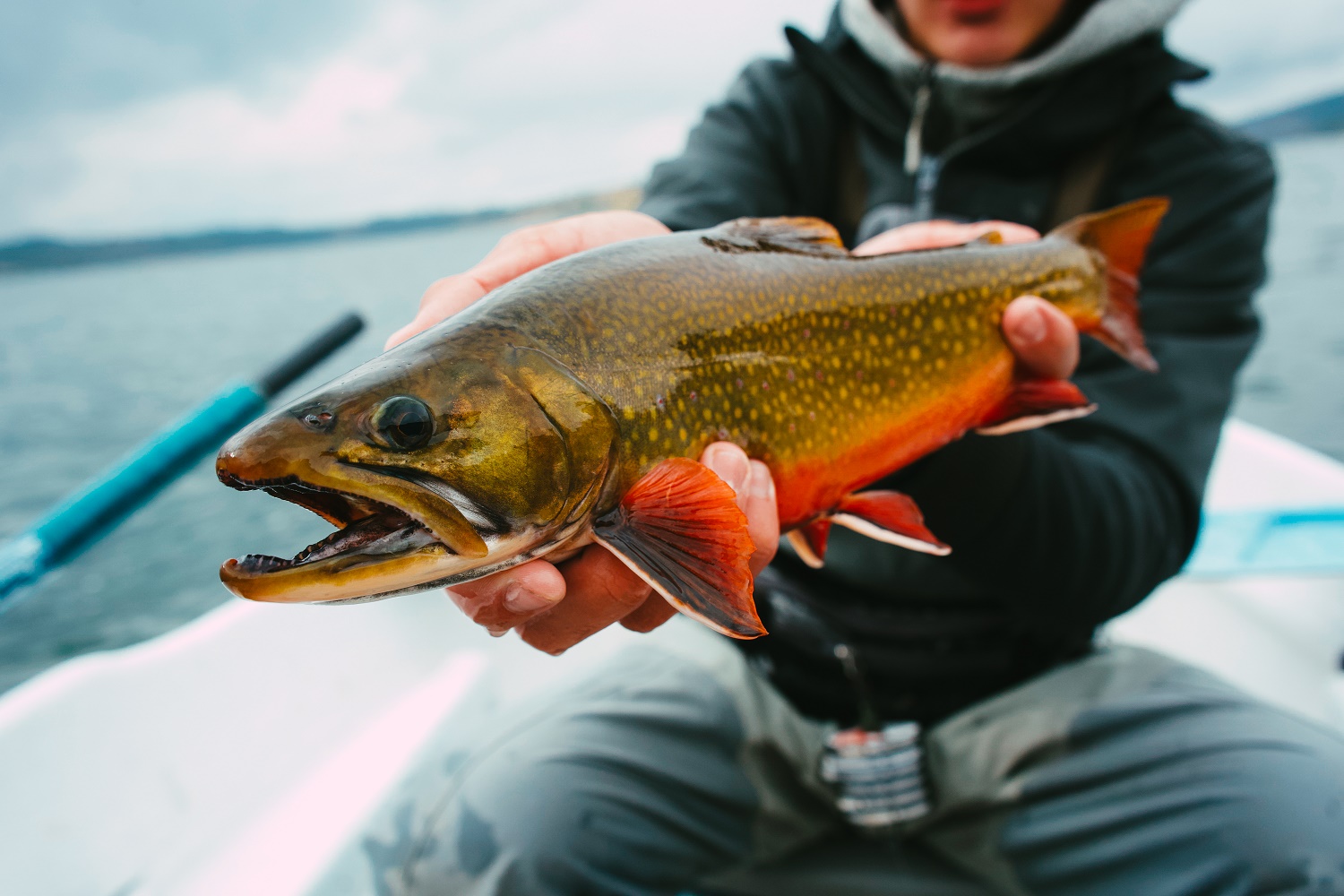
The Brook Trout: A Jewel of America’s Streams
For many anglers, the brook trout is more than just a fish—it’s a symbol of pure waters, untamed wilderness, and the timeless allure of trout fishing. With its vibrant, speckled body and fiery red fins edged in white, the brook trout is often called the “jewel of the stream,” and it’s easy to see why. Whether you’re wading into a secluded mountain stream or casting from the banks of a quiet pond, chasing brook trout is an experience every angler should savor.
A Native Treasure
Unlike many other trout species found in American waters, the brook trout is native to North America. It thrives in cold, clear streams and lakes, making its home in some of the most picturesque settings imaginable. From the rugged Appalachians to the pristine waters of the Great Lakes and the remote streams of the Rockies, brook trout fishing takes you to places where nature still feels untouched.
In many ways, the brook trout is a fish of the past. Its presence is a sign of healthy ecosystems, as it requires cold, clean, and oxygen-rich water to survive. For this reason, catching a brook trout often feels like finding a piece of living history—a connection to the wild landscapes that existed long before highways and cities.
The Thrill of the Chase
Brook trout are known for their striking beauty, but they’re not just a feast for the eyes—they’re a joy to catch as well. These fish are opportunistic feeders, eager to take a well-presented fly or lure, but their wariness and fast strikes make them an exciting challenge. Their small size (most brookies are under 12 inches in wild streams) is more than made up for by their tenacity and fight.
Fly anglers often find themselves enchanted by brook trout fishing. Whether you’re drifting a dry fly across a riffle or tossing a nymph into a deep pool, brook trout are quick to strike and put up a spirited fight. Even the smallest brookie can make an angler feel like they’ve hooked into something special.
For spin anglers, lightweight rods and small spinners or spoons are perfect tools for coaxing brook trout out of their hiding spots. Because they often hold near undercut banks, fallen logs, or boulders, precise casting is key to landing these elusive beauties.
Exploring the Wild
One of the greatest joys of brook trout fishing is where it takes you. These fish thrive in cold, remote waters, often high in the mountains or deep in the woods. Fishing for brook trout is an invitation to explore hidden streams, alpine lakes, and forested creeks. It’s about more than the catch—it’s about the journey, the solitude, and the chance to reconnect with nature.
In many areas, brook trout are found in waters where larger fish species can’t survive, making them a prime target for anglers seeking a more intimate experience. Stalking a small stream for brook trout feels less like sport fishing and more like stepping into a quiet dance with nature, where every cast is a chance to slow down and appreciate the beauty of the world around you.

Conservation Matters
It’s important to note that brook trout populations have been declining in many areas due to habitat loss, warming water temperatures, and competition from non-native species. Many states and organizations have implemented conservation programs to protect and restore brook trout habitats, ensuring that future generations can enjoy the thrill of catching these native fish.
As anglers, we can do our part by practicing catch-and-release whenever possible, using barbless hooks, and handling brook trout with care to ensure their survival. Supporting conservation efforts and respecting local regulations helps protect this native treasure for years to come.
The Catch of a Lifetime
While brook trout may not be the largest fish you’ll ever catch, they just might be the most rewarding. Their beauty, their spirited fight, and the wild places they call home make them a true prize for anglers. Whether it’s your first brookie or your fiftieth, each one feels special—a reminder of why we fish and the connection it gives us to the natural world.
So, grab your rod, lace up your boots, and head out to the water. Somewhere, in a cold, clear stream tucked away in the wilderness, a brook trout is waiting. It’s time to go find it.
Happy fishing!
Fishing Tips & Tricks
Common Locations
- Cold Mountain Streams: Brook trout thrive in cold, oxygen-rich streams, particularly in shaded, forested areas with plenty of structure like rocks and fallen trees.
- Spring-Fed Lakes and Ponds: In states like Maine and Michigan, brook trout are also found in spring-fed lakes and ponds where water remains cool throughout the year.
- Appalachian and Rocky Mountain Streams: Brook trout are native to the eastern U.S., especially in the Appalachian region, and have been introduced to high-altitude streams in the Rocky Mountains.
Fishing Tips
- Tackle and Gear: Light tackle or fly fishing gear is ideal for brook trout, with 2-4 lb test line recommended for their cautious nature. A shorter rod is helpful for maneuvering in narrow mountain streams.
- Timing: Early morning and late evening are best, especially during summer when brook trout feed more actively in cooler water temperatures.
- Techniques: Fly fishing with dry flies or nymphs is effective in clear streams, while small spinners or jigs work well in deeper pools or lakes.
Recommended Baits & Lures
- Dry Flies: Imitations of local insects, like the Adams, Elk Hair Caddis, and Blue-Winged Olive, are effective for surface feeding.
- Nymphs: Small nymph patterns like the Pheasant Tail or Hare’s Ear are productive in both streams and lakes.
- Spinners: Lightweight spinners, such as Panther Martins and Mepps, are useful for attracting brook trout in faster-moving waters.
Related Species or Interesting Facts
- Interesting Fact: Brook trout are the only trout species native to the eastern U.S., and they are highly sensitive to water quality, often found only in the purest waters.
- Other Activities: Brook trout fishing often takes anglers to scenic and remote areas, offering excellent opportunities for hiking, camping, and enjoying nature.
Where you can find this fish in the US

The Ultimate Fly Fishing Tool Built For Adventure.
From scouting water with the most detailed fly fishing maps on the market, to building your fishing network so you can take more trips, our tools will help get you there.