Colorado River Cutthroat
The Colorado River cutthroat trout is one of the most strikingly beautiful and historically significant trout species in North America. Recognized by its brilliant red-orange throat slash and golden-olive body, this native trout is a prized catch for anglers exploring high-altitude streams and remote mountain lakes. As one of the original cutthroat subspecies of the western U.S., the Colorado River cutthroat offers both a challenging and rewarding fishing experience in some of the most scenic landscapes in the country.
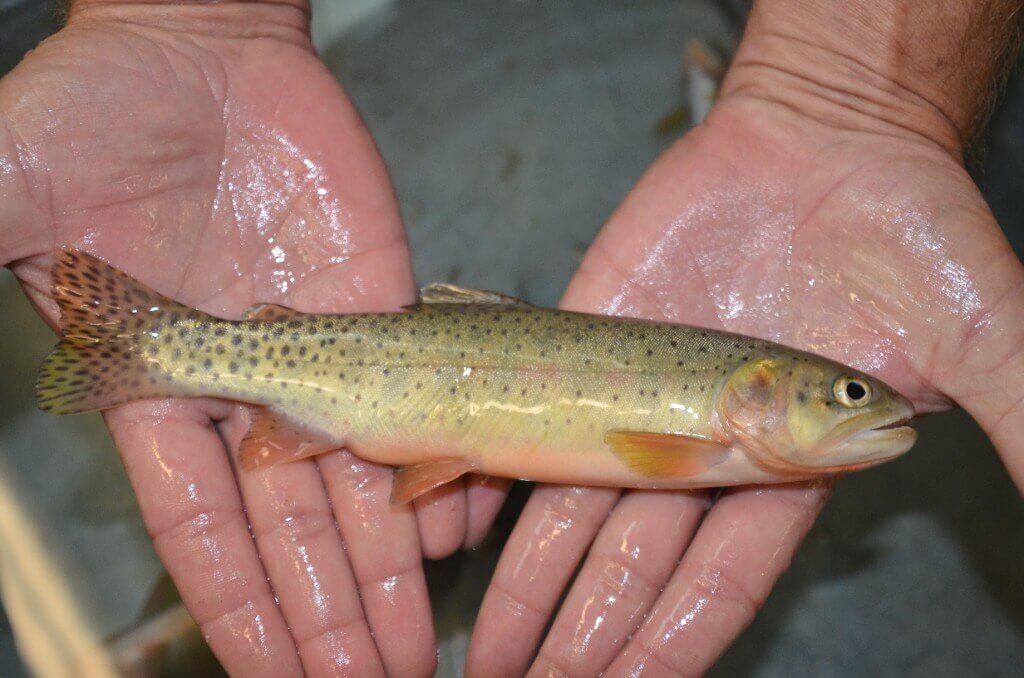
Colorado River Cutthroat Trout: A Native Western Treasure
The Colorado River cutthroat trout is one of the most iconic native trout species in the American West. Known for its stunning colors, historical significance, and preference for remote high-altitude waters, this trout is a prized catch for anglers who love adventure. Found in the cold, pristine streams and lakes of Colorado, Utah, Wyoming, and parts of New Mexico and Arizona, the Colorado River cutthroat offers a unique fishing experience in some of the most breathtaking landscapes in the country.
Unlike stocked trout that are often found in easily accessible waters, Colorado River cutthroats inhabit some of the most remote and scenic areas in the western U.S. Many anglers choose to hike or backpack into alpine lakes and small streams to find these fish, making the journey just as rewarding as the catch. The combination of wild landscapes, clear mountain waters, and native trout makes for an unforgettable experience.
Since these trout are found in high-altitude regions, anglers often share the landscape with elk, moose, bighorn sheep, and even black bears. It’s not uncommon to see bald eagles or osprey fishing the same waters. Whether you’re casting in a secluded mountain stream or wading through an alpine lake, the opportunity to see wildlife up close is part of what makes cutthroat trout fishing special.
Fishing Tips & Tricks
Common Locations
- Colorado: Found in cold, high-elevation streams and lakes across the western part of the state, including the Colorado River headwaters and Gunnison Basin.
- Utah: Populations exist in remote streams and mountain lakes, particularly in the Uinta Mountains and areas surrounding the Green River.
- Wyoming: Strongholds exist in the Wind River Range, western drainages of the Yellowstone ecosystem, and the headwaters of the Green and Snake Rivers.
- New Mexico & Arizona: Limited populations are found in a few isolated high-altitude streams. Conservation efforts have focused on protecting these habitats.
Fishing Tips
- Tackle and Gear: Due to their habitat in small, clear streams and alpine lakes, light tackle is best. A 3-5 weight fly rod or an ultralight spinning setup with 4-6 lb test line will work well.
- Timing: The best fishing occurs in late spring through early fall when water temperatures are stable, and fish are actively feeding. Summer is prime for high-altitude lakes as runoff recedes.
- TFly Fishing: Dry flies, such as Elk Hair Caddis, Parachute Adams, and Stimulators, are excellent choices. In deeper pools, nymphs like Pheasant Tails and Hare’s Ears work well.
- Spinning: Small inline spinners like Panther Martins and Mepps can entice strikes, especially in faster-moving water.
- Tenkara Fishing: This traditional Japanese fly-fishing method works exceptionally well in small, remote streams where these trout are often found.
Recommended Baits & Lures
- Dry Flies: Elk Hair Caddis, Adams, Royal Wulff.
- Nymphs: Prince Nymph, Copper John, Hare’s Ear.
- Streamers: Woolly Buggers, Muddler Minnows.
- Spinners: Panther Martin Gold, Mepps Aglia, Rooster Tail in natural colors.
Related Species or Interesting Facts
- Interesting Fact: The Colorado River cutthroat is one of the few native trout species that have survived in their original range despite habitat loss and competition from non-native species.
- Other Activities: Anglers targeting Colorado River cutthroat often find themselves deep in the wilderness, making these fishing trips great opportunities for hiking, backpacking, and wildlife photography.
Where you can find this fish in the US

The Ultimate Fly Fishing Tool Built For Adventure.
From scouting water with the most detailed fly fishing maps on the market, to building your fishing network so you can take more trips, our tools will help get you there.