Duck River
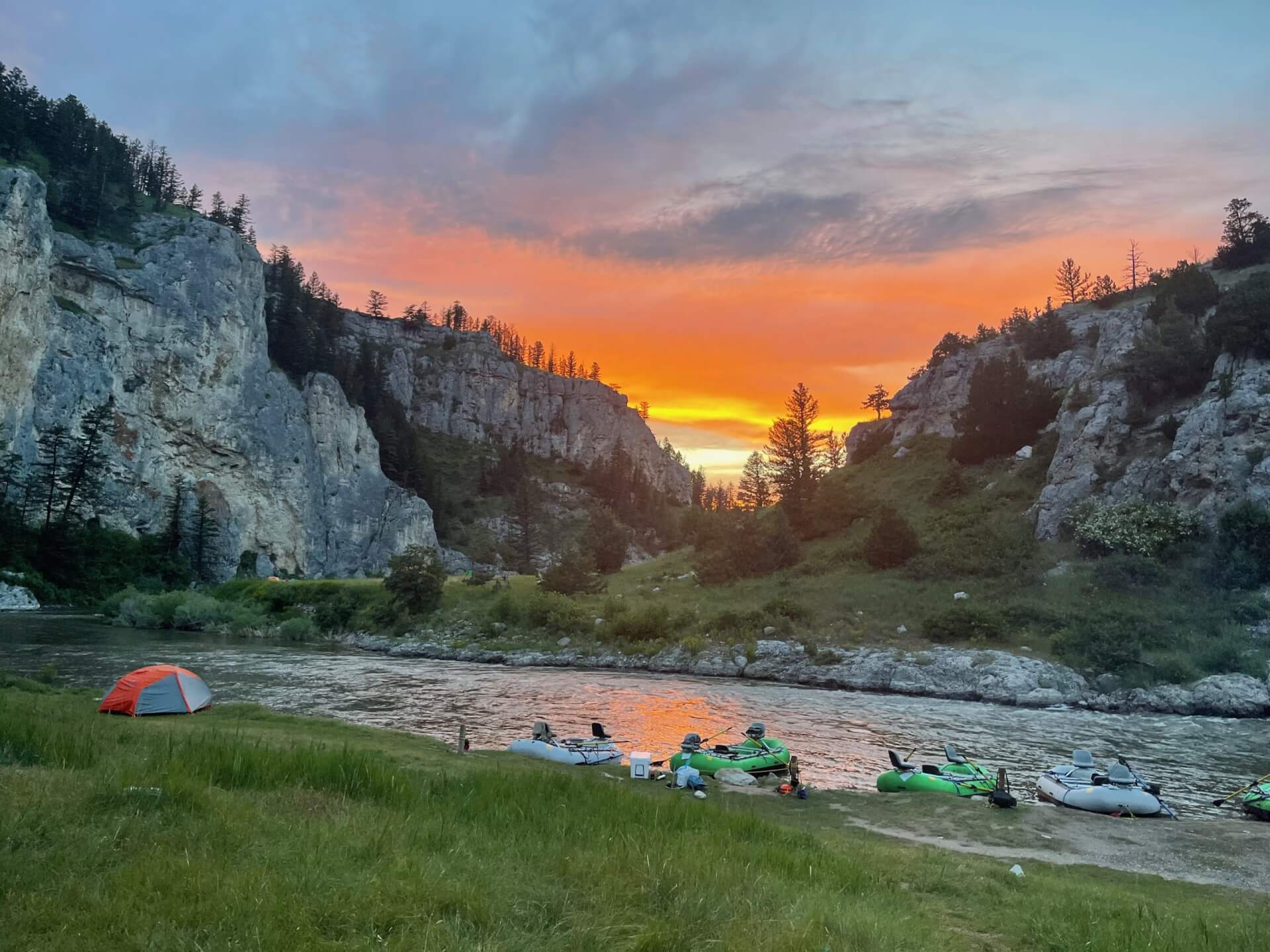
The Duck River in Tennessee is a long, dam controlled river with a tailwater section below Normandy Dam and plenty of public access.
- 350 miRiver length
- 96Access points


 In the FlyFishFinder app
About the Duck
The Duck River winds across middle Tennessee for about 350 miles. The tailwater below Normandy Dam is the part fly anglers know best. It is listed as a Tennessee tailwater, and the state stocks it with trout through the cooler months.
Flows come from the dam, so the river can change fast. Always check the TVA release schedule before you wade, since rising water can come up quickly. Below Normandy the water is small and wadeable at low flow. Access spots include just below the dam, the Normandy Road bridge, the Cortner Road bridge and Three Forks bridge.
Downstream of the tailwater the Duck turns into a long warm river through towns like Columbia. Anglers float it by canoe or kayak, and the app maps 96 access points along its length. Nearby water includes Little Bigby Creek, Leipers Creek and the Little Harpeth River.
The usual tailwater hatches show up here, including winter midges, Little Black Caddis, Blue-Winged Olives, Quill Gordons, March Browns and Light Cahills. Terrestrials matter in summer. Check the current Tennessee Wildlife Resources Agency rules and stocking schedule before you go.
Duck River at Columbia, TN
Is the Duck fishing today?
See today's top 10 rivers near you, free. Go Premium to score the Duck, or any gage, on demand.
Nearby gages
- Fountain Creek near Fountain Heights, TN9.9 mi away Not reporting USGS 03599450
- Big Rock Creek at Double Bridges, TN15.7 mi away Not reporting USGS 03599100
- Harpeth River at Franklin, TN19.0 mi away Not reporting USGS 03432350
- Harpeth River below Franklin, TN20.5 mi away Not reporting USGS 03432400
- Harpeth River at Bellevue, TN27.4 mi away Not reporting USGS 03433500
- Mill Creek near Nolensville, TN28.5 mi away Not reporting USGS 03430550
- Richland Creek at Harding Place at Belle Meade, TN31.1 mi away Not reporting USGS 03431655
- Sevenmile Creek at Blackman Road,near Nashville, TN31.5 mi away Not reporting USGS 03431040
No gages that close. Try a wider radius.
See every gage on the map and today's top 10 rivers in the free appData from the U.S. Geological Survey. Recent readings are provisional and may be revised.
Hatching in November
What's on the water in the Lower Tennessee watershed this month, and the fly to match.
All 11 hatches this year
Light bars show the season and dark bars the peak. The ringed month is this month.
Tips for fishing the Duck
-
Check dam releases first
The Duck below Normandy Dam changes with TVA releases. Look at the release schedule before you leave and again when you get to the river.
-
Fish the tailwater by season
Midges and Little Black Caddis work in the cooler months. Nymphs and streamers are the usual choice, and a Pheasant Tail or Woolly Bugger is a fair place to start.
-
Know the access spots
Try below the dam, the Normandy Road bridge, the Cortner Road bridge and Three Forks bridge. Check land ownership and park only in marked areas.
-
Float the lower river
Below the tailwater the Duck is a good canoe or kayak float. Plan a shuttle and keep an eye on the weather.
-
Scout in the app
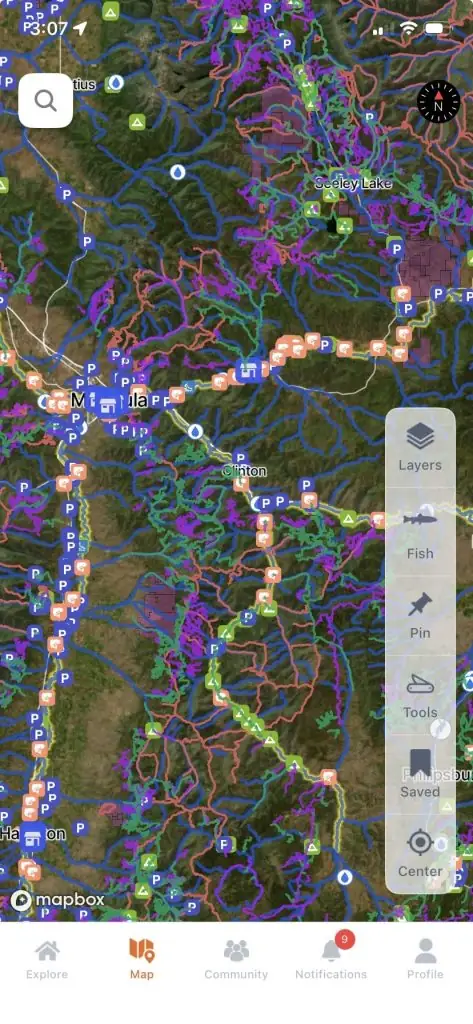
The FlyFishFinder app maps Duck River access points and live gages. Premium scores any river or gage on demand, and today's top 10 rivers are free.
Every access point on the Duck, in your pocket.
- 96 mapped access points, with parking and put-ins
- Today's Fishability score, so you fish the day that lines up
- 7-day flow and water-temp trends for every gauge on the river
Rivers near the Duck
Duck River FAQ
When is the best time to fish the Duck River in Tennessee?
The tailwater below Normandy Dam is stocked in the cooler months, so fall through spring is when many anglers go. Dam releases matter more than the calendar, so check flows before every trip.
Where can I fish the Duck River near Normandy?
Start just below Normandy Dam. The Normandy Road bridge, Cortner Road bridge and Three Forks bridge are other well known access spots. The app maps the access points along the river.
Can you wade the Duck River?
Yes, the tailwater below Normandy Dam is small enough to wade when flows are low. Releases from the dam can raise the water fast, so check the TVA schedule and watch the bank.
What flies work on the Duck River?
Nymphs and streamers are the usual choice, like a Pheasant Tail, Woolly Bugger or Elk Hair Caddis when bugs are up. Main hatches include winter midges, Little Black Caddis, Blue-Winged Olives, Quill Gordons, March Browns and Light Cahills. For what is hatching and working today, check the FlyFishFinder app.
What fish are in the Duck River?
Tennessee manages the tailwater with stocking and the lower river holds a mix of warmwater fish. Use the app's map to see where fish are found along the river.
Are there special rules on the Duck River?
Yes, Tennessee sets rules for tailwater and stocked sections. Check the current Tennessee Wildlife Resources Agency regulations and stocking schedule before you fish.