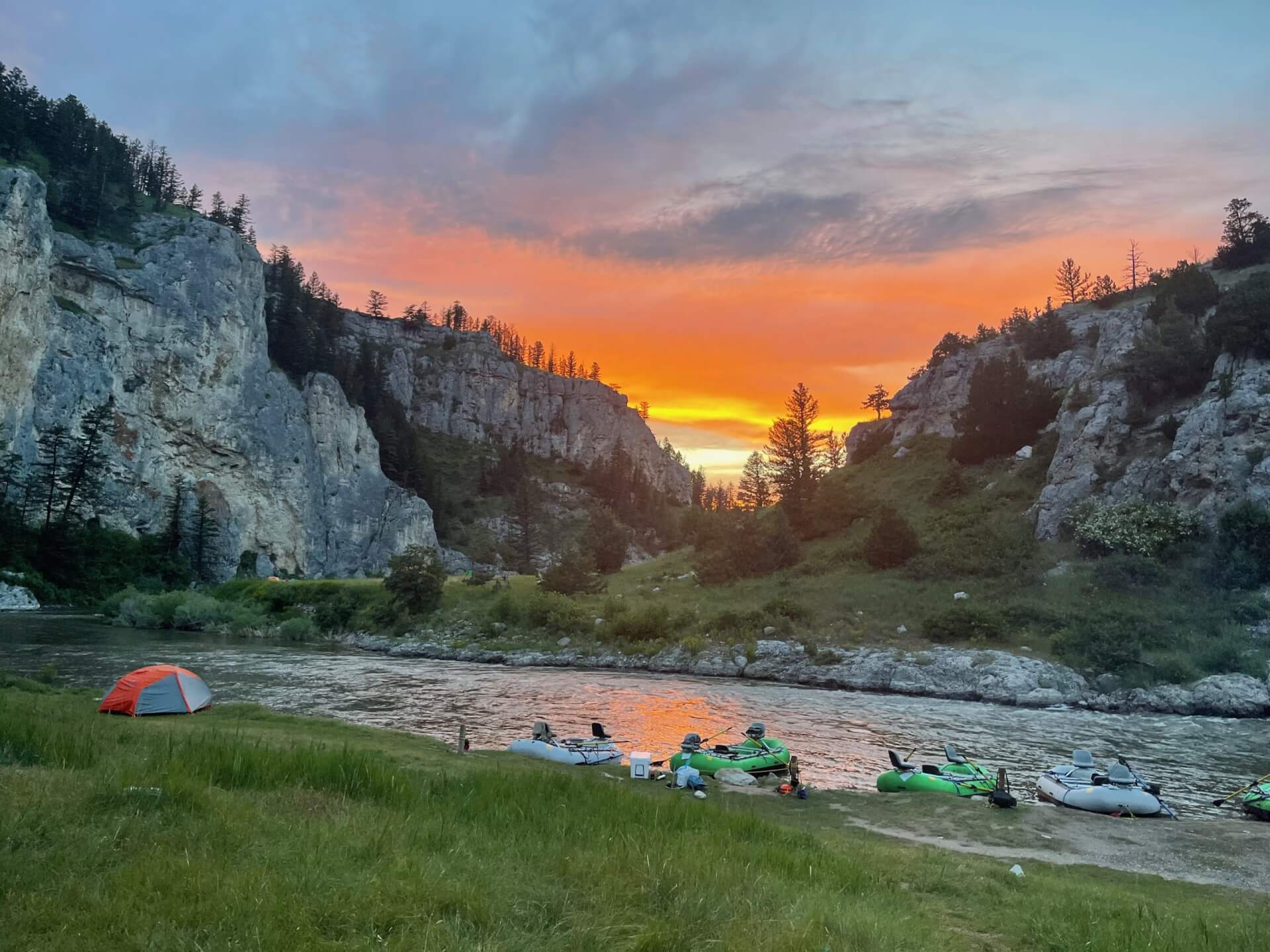

Fly Fishing in North Carolina
More than a thousand cold mountain streams with brook, rainbow and brown trout, plus redfish and false albacore on the coast: North Carolina is one of the best fly fishing states in the Southeast.
- 21River guides
- 20Game fish
- Mar–MayPrime season
Flows right now in North Carolina
3 of 5 top rivers are flowing normal for today
- Little Tennessee River(USGS gage page, opens in a new tab) 111 cfs Below normal 10th–24th percentile updated 50 minutes ago
- Pigeon River(USGS gage page, opens in a new tab) 97 cfs Normal 25th–75th percentile updated 35 minutes ago
- Tuckasegee River(USGS gage page, opens in a new tab) 266 cfs Normal 25th–75th percentile updated 1 hour ago
- Oconaluftee River(USGS gage page, opens in a new tab) 154 cfs Normal 25th–75th percentile updated 1 hour ago
- West Fork Pigeon River(USGS gage page, opens in a new tab) 23 cfs Below normal 10th–24th percentile updated 35 minutes ago
USGS readings compared with each gage's daily flow percentiles (historical record for today's date).
Check the water before you go
Live flows, hatches and fishability ratings for every one of these rivers, in the free FlyFishFinder app.
When to go
How busy the hatches are each month across North Carolina, from the watershed hatch charts.
- Fewer to more hatches
- Prime season
- This month
Typical hatches in North Carolina in October
-
Autumn Sedge PeakCaddis
Little Tennessee River(USGS gage page, opens in a new tab), North Toe River, Pigeon River(USGS gage page, opens in a new tab)
-
Blue-Winged Olive PeakMayfly
Little Tennessee River(USGS gage page, opens in a new tab), North Toe River, Pigeon River(USGS gage page, opens in a new tab)
Smaller streams often see lighter or later hatches; check local reports.
Fish in North Carolina
Tap a fish to see every North Carolina river that holds it.
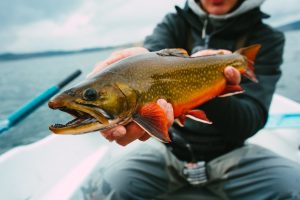 Brook Trout
In 15 river guides
 Brown Trout
In 10 river guides
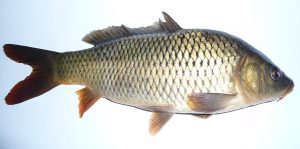 Common Carp
In 4 river guides
 Bluegill
In 2 river guides
 Crappie
In 2 river guides
12 more game fish
Fly fishing in North Carolina
Western North Carolina is trout country. The Blue Ridge and Great Smoky Mountains hold a huge number of small streams with brook trout in the headwaters and rainbows and browns lower down. Well-known rivers include the Davidson, the Nantahala, the Tuckasegee, the South Toe, the Watauga and Wilson Creek, and Great Smoky Mountains National Park has miles of backcountry water.
Many mountain rivers are stocked under the state's Delayed Harvest program, which gives fly anglers good catch-and-release fishing in fall and spring. Wild trout streams like Boone Fork and the creeks in the national forests are smaller, brushier and more technical.
On the coast, the sounds and marshes hold red drum and speckled trout that eat flies in shallow water. In fall, false albacore show up around Cape Lookout and draw fly anglers from up and down the East Coast.
Tips for fishing North Carolina
-
Try Delayed Harvest water
These stocked stretches fish well in fall and spring. Small nymphs, soft hackles and streamers all work, and the rivers are easy to reach.
-
Go small for wild fish
Mountain brook trout streams are tight. A 7 or 8 foot rod in a 3 or 4 weight makes casting under the rhododendron easier.
-
Fish the spring hatches
Quill Gordons and blue quills typically start in early spring, followed by caddis, sulphurs and yellow sallies. Summer is terrestrial season.
-
Head to the coast in fall
False albacore move in around Cape Lookout in fall. Bring a 9 or 10 weight, a sinking line and small baitfish flies.
-
Sight fish for redfish
Look for red drum tailing on the flats and marsh edges. Make a quiet cast just ahead of the fish with a shrimp or crab pattern.
Find the right North Carolina river for today.
- Top Waters Today ranks the rivers near you on live conditions
- Every access point and parking area on one map
- Live flows from every USGS gauge in the state

North Carolina fly fishing FAQ
Where is the best trout fishing in North Carolina?
The mountains of western North Carolina. The Davidson, Nantahala, Tuckasegee, South Toe and Watauga rivers are popular, along with the streams in Great Smoky Mountains National Park.
When is the best time to fly fish in North Carolina?
Spring and fall are best for trout. Summer is good in the higher mountains and for terrestrials, and fall is the peak for false albacore on the coast.
Do I need a trout license in North Carolina?
You need a North Carolina fishing license, and trout waters have their own rules. Check the state wildlife agency's current regulations for the license and the streams you plan to fish.
What is Delayed Harvest in North Carolina?
A set of stocked trout streams with catch-and-release, artificial-lure rules for part of the year. They are a good choice for fly anglers in fall and spring.
Can you catch brook trout in North Carolina?
Yes. Brook trout are native to the southern Appalachians and live in the higher, colder headwater streams.
Is there saltwater fly fishing in North Carolina?
Yes. Red drum and speckled trout live in the sounds and marshes, and false albacore are a well-known fall fly fishery around Cape Lookout.