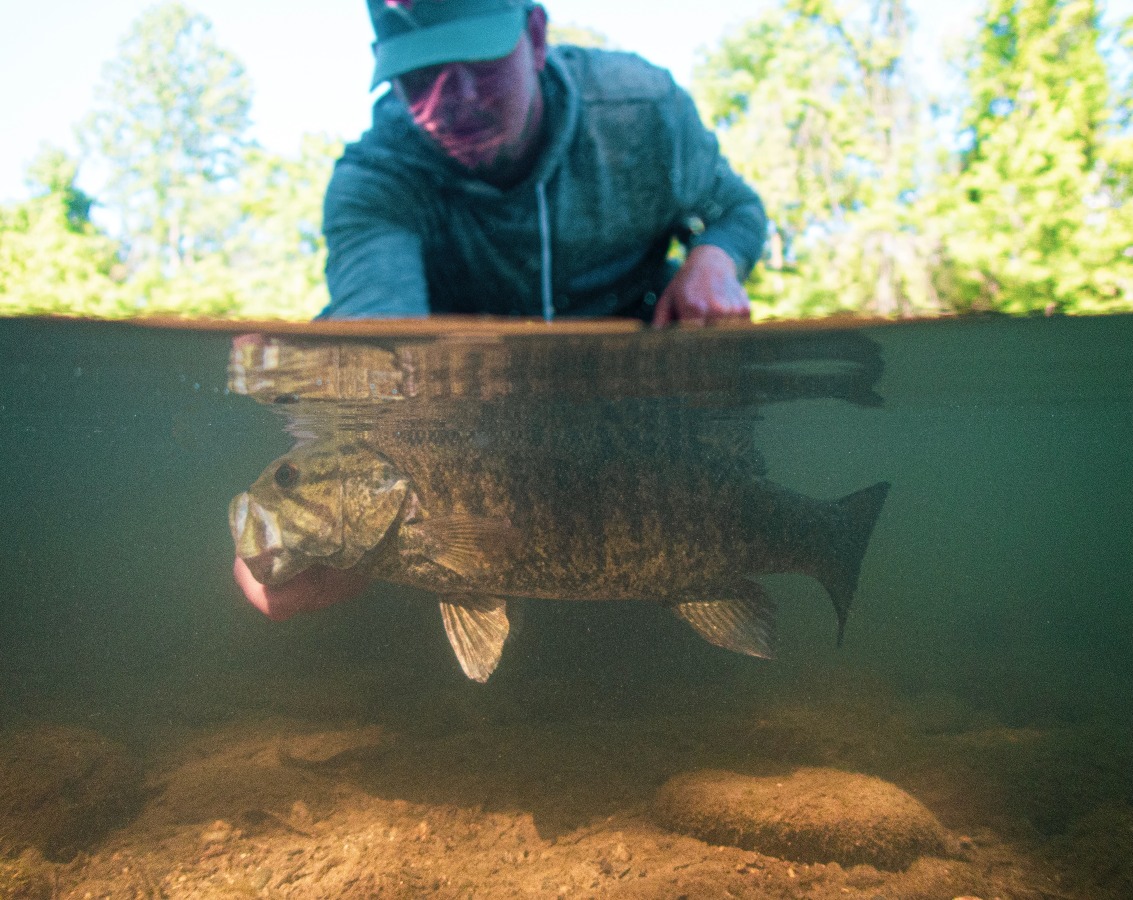
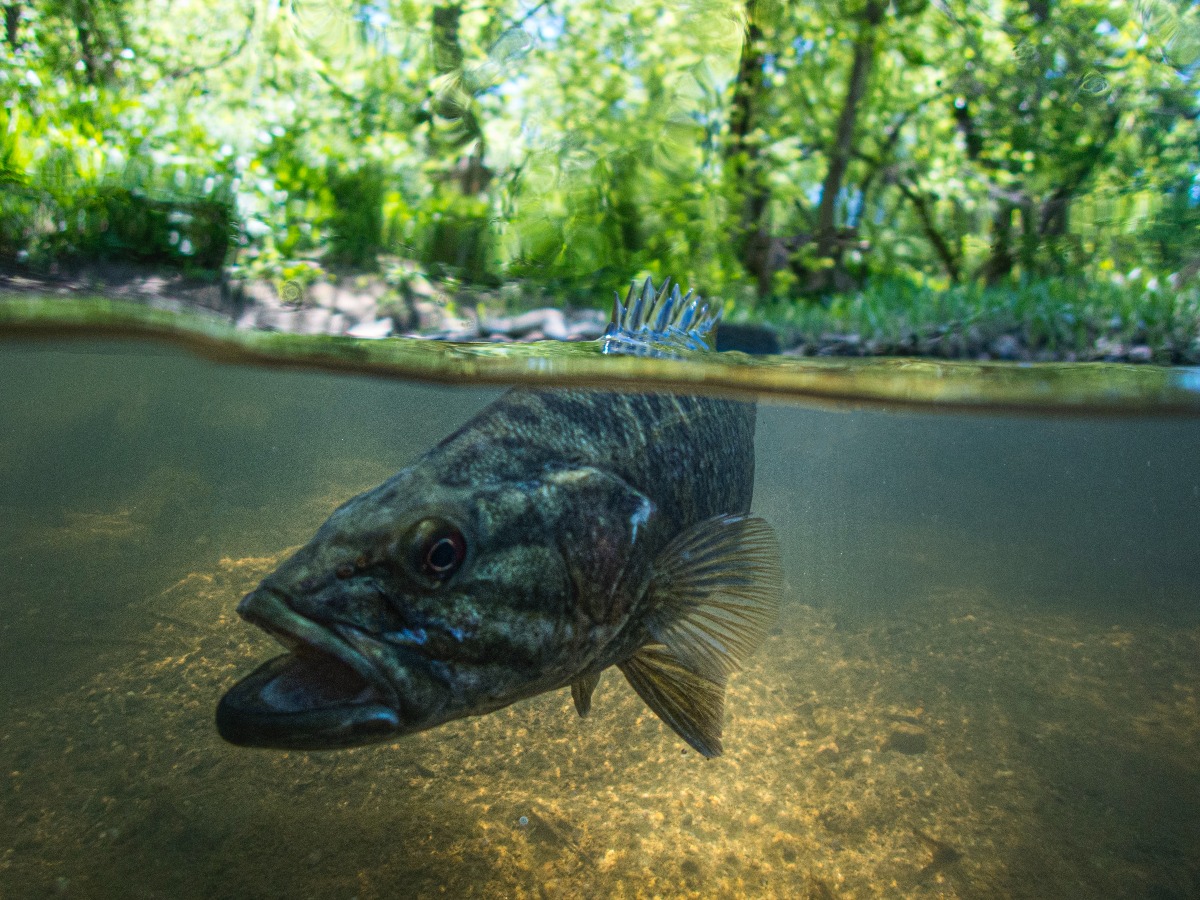
California’s smallmouth bass fly fishing occupies a different niche from the state’s celebrated trout fishing — warm, lower-elevation rivers that come into their own as Sierra snowmelt subsides and water temperatures climb into the bass-preferred range. The Sacramento, North Fork Feather, Stanislaus, and American rivers offer a range of experiences from urban access within Sacramento’s metro area to remote canyon fishing in the Sierra foothills. All four share the common characteristic of clear, Sierra-sourced water and rocky substrates that produce hard-fighting, well-conditioned smallmouth.
California’s smallmouth season runs from May through October, with the peak window concentrated in June through September. Crayfish patterns and Clouser Minnows are the workhorses across all four rivers, with poppers delivering exciting evening action on the American’s urban stretches. A 6-weight rod with 8 lb fluorocarbon handles most California smallmouth situations; step up to a 7-weight for the American’s bigger water. Wading footwear with excellent traction is essential on California’s often-slippery granite and basalt river bottoms.
Ranked by fly fishing character, access, and seasonal opportunity.
River #1
Best SeasonMay – Oct
Top FliesClouser Minnow, Woolly Bugger
Leader / Tippet8 lb fluorocarbon
The Sacramento River is California’s largest river and an often-overlooked smallmouth bass fishery — the lower Sacramento from Redding downstream through Red Bluff and Corning holds established smallmouth populations in its rocky runs and ledge formations, often sharing water with the river’s famous steelhead and salmon runs. The Sacramento’s clear, cold upper reaches from Redding to Red Bluff offer the most consistent smallmouth fly fishing, with fish averaging 12–15 inches in the rocky shoal sections and occasionally larger in the deeper pool areas.
Clouser Minnows and Woolly Buggers are the Sacramento’s most consistent smallmouth producers. Work Clousers in chartreuse/white through the current seams and along the rocky ledge formations that punctuate the upper river, and strip Woolly Buggers slowly through the deeper pool sections during midday. The Sacramento is primarily a float-fishing river for smallmouth — guided drift boat trips from Redding and Red Bluff provide the most effective access to the productive water, though bank and wade access exists at multiple points along Interstate 5.
Pro Tip: The Sacramento River’s spring smallmouth action — May and June as the river drops from winter flows — can be exceptional as bass move from their deep winter lies onto the warming gravel bars and riffle sections to spawn and feed. Target the gravel bar tails where shallow water transitions to slightly deeper runs, using Clouser Minnows stripped upstream and then allowed to swing downstream through the transition zone. This technique consistently produces the river’s most aggressive post-spawn bass.
River #2
Best SeasonJune – Sept
Top FliesCrayfish Pattern, Deceiver
Leader / Tippet8 lb fluorocarbon
The North Fork Feather River flows through one of California’s most dramatic canyons, dropping from Plumas County’s high country through Feather River Canyon to Lake Oroville. The section below Oroville Dam in Butte County, and the lower canyon sections accessible by road on Highway 70, hold excellent smallmouth bass populations in clear, cold tailwater and free-flowing canyon river. The North Fork’s combination of cold, highly oxygenated water and rocky canyon character produces hard-fighting, well-conditioned smallmouth that average 13–16 inches in the best sections.
Crayfish patterns and Deceivers are the North Fork Feather’s most effective flies. The canyon’s rocky substrate and clear water mean bass are selective and respond best to realistic patterns presented carefully on long leaders. Dead-drift a weighted crayfish pattern along the rocky bottom of the pools and runs, then strip it erratically as it begins to swing. Deceivers in natural minnow colors work well in the deeper, faster sections of the canyon. Access requires hiking to the river in most canyon sections — the primitive roads along the canyon provide trailhead access to the best water.
Pro Tip: The North Fork Feather River’s most productive smallmouth water lies in the undeveloped canyon sections accessible from the Feather River Canyon Trail. Hike downstream from the Caribou Road trailhead for access to isolated river sections with minimal fishing pressure — bass in these remote reaches are more willing and average larger than those near road access points. Early September, as the canyon’s flows stabilize from summer irrigation patterns, is the prime window for this section.

River #3
Best SeasonMay – Sept
Top FliesStreamer, Clouser Minnow
Leader / Tippet8 lb fluorocarbon
The Stanislaus River flows from the Sierra Nevada through Calaveras and Tuolumne counties before joining the San Joaquin River near Ripon. The lower Stanislaus from Goodwin Dam downstream through Knights Ferry offers productive smallmouth bass fly fishing in a beautiful Gold Country setting, with rocky runs, pool sections, and the historic covered bridge at Knights Ferry providing a memorable angling backdrop. Smallmouth populations in the lower Stanislaus are well-established, with fish averaging 12–14 inches and responding aggressively to streamers and Clouser Minnows from May through September.
Streamers and Clouser Minnows cover most Stanislaus smallmouth situations. Work streamers in natural minnow colors through the current seams below the rocky shoal formations, and use Clouser Minnows to cover the faster riffle sections. The Knights Ferry section offers excellent wade fishing access from the California State Parks parking area, with a natural rock and gravel bottom that provides good footing. The river’s Gold Country foothill setting creates warm but not extreme summer water temperatures that keep bass active through the season.
Pro Tip: The Stanislaus River’s Knights Ferry section is the most accessible and productive fly fishing stretch in the lower river. Wade downstream from the parking area at the covered bridge and systematically work the riffle-to-pool transitions with a Clouser Minnow — this classic run-riffle-pool structure holds the highest density of bass in the lower river. Arrive early before the summer kayak and inner tube traffic builds — the first two hours of morning produce the best action before recreational users reach the water.
River #4
Best SeasonMay – Oct
Top FliesPopper, Woolly Bugger
Leader / Tippet1X–2X tippet
The American River — its North, Middle, and South Forks converging in the Sierra foothills before flowing through Sacramento to the Sacramento River — provides both urban and wild-setting smallmouth bass fly fishing depending on which section you choose. The lower American through Sacramento’s Jedediah Smith Memorial Bicycle Trail corridor offers convenient urban access to surprisingly productive smallmouth water. The Middle Fork American through the Auburn State Recreation Area provides a more remote, canyon river experience with excellent bass populations and spectacular scenery.
Poppers and Woolly Buggers are the American River’s most effective fly choices across its urban and wild sections. Evening popper fishing on the lower American through Sacramento produces exciting surface strikes from June through September as bass move into the shallows to feed in fading light. Woolly Buggers strip well through the deeper canyon pool sections of the Middle Fork. Use 1X–2X tippet on the American — the river produces larger-than-average California smallmouth, particularly in the Middle Fork canyon sections.
Pro Tip: The American River’s Middle Fork through the Auburn State Recreation Area offers California’s most spectacular canyon smallmouth bass fly fishing — a wild river in a deep granite canyon accessible only by trail or raft. Hike down the Olmstead Loop or Quarry Road trails to reach the river, then work upstream through the pool-rapid sequence that defines the canyon character. The pools below each set of rapids hold the largest bass, and a Woolly Bugger swung through the downstream current seam produces consistent results throughout the day.
California Smallmouth Bass Fly Fishing — Frequently Asked Questions
What is the best time of year to fly fish for smallmouth bass in California?
The prime season for smallmouth bass fly fishing in California runs from May through October, with peak action in June through September when water temperatures reach the 65–75°F range. Sierra foothill rivers like the Stanislaus and American tend to peak in late spring and early summer as snowmelt flows subside. The Sacramento and lower foothill rivers fish well through October as stable fall flows and cooling temperatures trigger pre-winter feeding.
What flies work best for California smallmouth bass?
Clouser Minnows and crayfish patterns are the most consistent producers for California smallmouth across all four rivers. Poppers deliver explosive surface strikes on warm evenings on the lower American River through Sacramento. Woolly Buggers produce well in the deeper canyon pool sections of the North Fork Feather and Middle Fork American. Carry Clouser Minnows in chartreuse/white and olive/white (#2–6), a crayfish pattern, a Woolly Bugger, and a foam popper for a complete California smallmouth kit.
Do I need a fishing license to fly fish for smallmouth bass in California?
Yes. California Department of Fish and Wildlife requires a fishing license for all anglers 16 and older. Non-resident licenses are available in annual and short-term formats. California has a year-round open season for smallmouth bass on most rivers with standard size and bag limits. Some sierra foothill rivers may have special regulations near trout areas — verify current CDFW regulations for each specific river before fishing.
What gear do I need for fly fishing California smallmouth bass rivers?
A 6-weight fly rod handles most California smallmouth situations effectively. The American River’s bigger water and larger fish benefit from a 7-weight. Use 8 lb fluorocarbon tippet for the Sacramento and Stanislaus; 1X–2X is appropriate for the American. A weight-forward floating line covers most California smallmouth water; a sink-tip is useful on the North Fork Feather’s canyon pools. Wading footwear with excellent traction is essential on California’s smooth granite and basalt river bottoms.