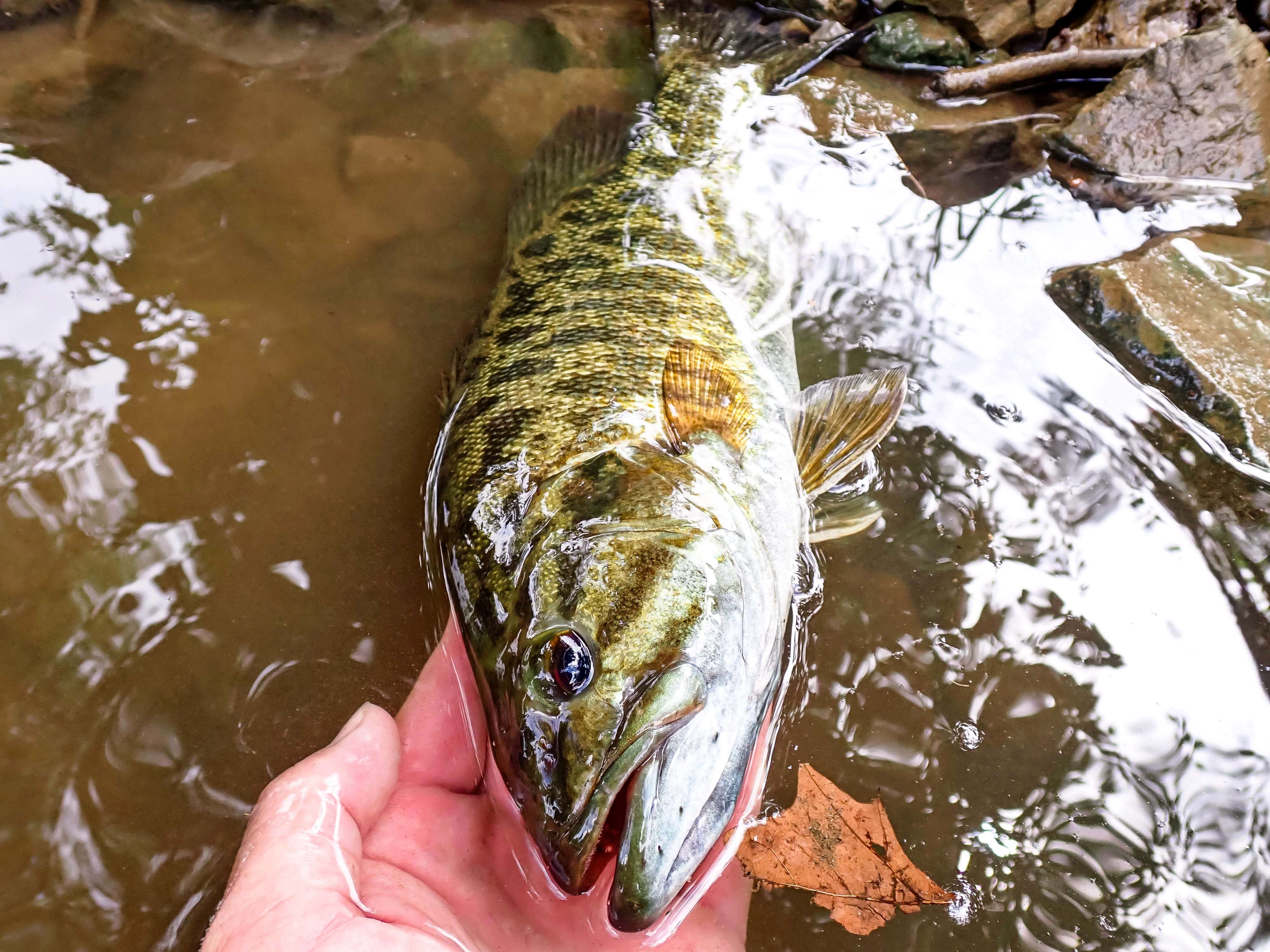
Idaho’s smallmouth bass fly fishing is defined by its canyon rivers — the Snake River’s spectacular Hells Canyon section and the Clearwater’s lower gorge offer fishing experiences that combine outstanding bass populations with some of the most dramatic western river scenery anywhere. Even the Boise River’s accessible urban fishery carries the character of Idaho’s clear, cold, mountain-fed water that produces well-conditioned smallmouth throughout its tailwater section.
The Snake River through Hells Canyon is the centerpiece of Idaho’s smallmouth reputation — a 100-mile roadless canyon accessible only by jet boat or multi-day float that holds trophy bass in exceptional numbers. This is a destination fishery that requires planning and logistics, but the rewards are proportional: fish averaging 14–18 inches in a wilderness canyon setting with no road noise, no crowds, and no other anglers. A 7-weight rod with 1X tippet is the appropriate setup for Hells Canyon’s larger-than-average fish.
Ranked by fly fishing character, access, and seasonal opportunity.
River #1
Best SeasonJune – Sept
Top FliesClouser Minnow, Woolly Bugger
Leader / Tippet1X tippet
The Snake River through Hells Canyon — the deepest river gorge in North America — is Idaho’s most spectacular and productive smallmouth bass fishery. The canyon section from Hells Canyon Dam downstream to Lewiston stretches over 100 miles through remote, roadless terrain accessible only by jet boat, raft, or kayak. Smallmouth populations in Hells Canyon are exceptional — the canyon’s warm water temperatures, rocky basalt walls, and abundant forage base produce fish averaging 14–18 inches with legitimate trophy bass over 20 inches present throughout the canyon. This is among the West’s premier destination smallmouth fisheries.
Clouser Minnows and Woolly Buggers are Hells Canyon’s most reliable fly patterns throughout the season. The canyon’s turbid water often benefits from brighter, more visible patterns — chartreuse/white Clousers produce well when the Snake is slightly off-color from tributary runoff. Woolly Buggers in black work effectively in the deeper pool sections below the canyon’s basalt ledge formations. Use 1X tippet — Hells Canyon produces the largest smallmouth in Idaho, and the rough basalt structure demands tippet strength. Multi-day float trips with jet boat shuttle are the standard access method for the main canyon section.
Pro Tip: Hells Canyon’s best smallmouth fishing is concentrated in the lower canyon section from Pittsburg Landing to Lewiston, where the river gradient flattens and the canyon creates extensive eddy and pool habitat. This section is accessible by road at Pittsburg Landing (via a long gravel road) and by jet boat from Lewiston, making it the most visited smallmouth water in the canyon. Fish the rocky points and eddy lines where current deflects off the basalt walls — these current breaks hold the canyon’s largest fish throughout the summer.
River #2
Best SeasonJune – Sept
Top FliesPopper, Deceiver
Leader / Tippet8–10 lb fluorocarbon
The Clearwater River flows west from the Bitterroot Mountains through Orofino and Lewiston before joining the Snake at Lewiston. The lower Clearwater from Ahsahka downstream through Orofino and the confluence section provides accessible and productive smallmouth bass fly fishing in a big, clear river setting. The Clearwater is primarily known for its remarkable steelhead and salmon runs, but its smallmouth population — particularly in the lower canyon sections — provides excellent fly fishing opportunities from June through September when the steelhead fishery is closed.
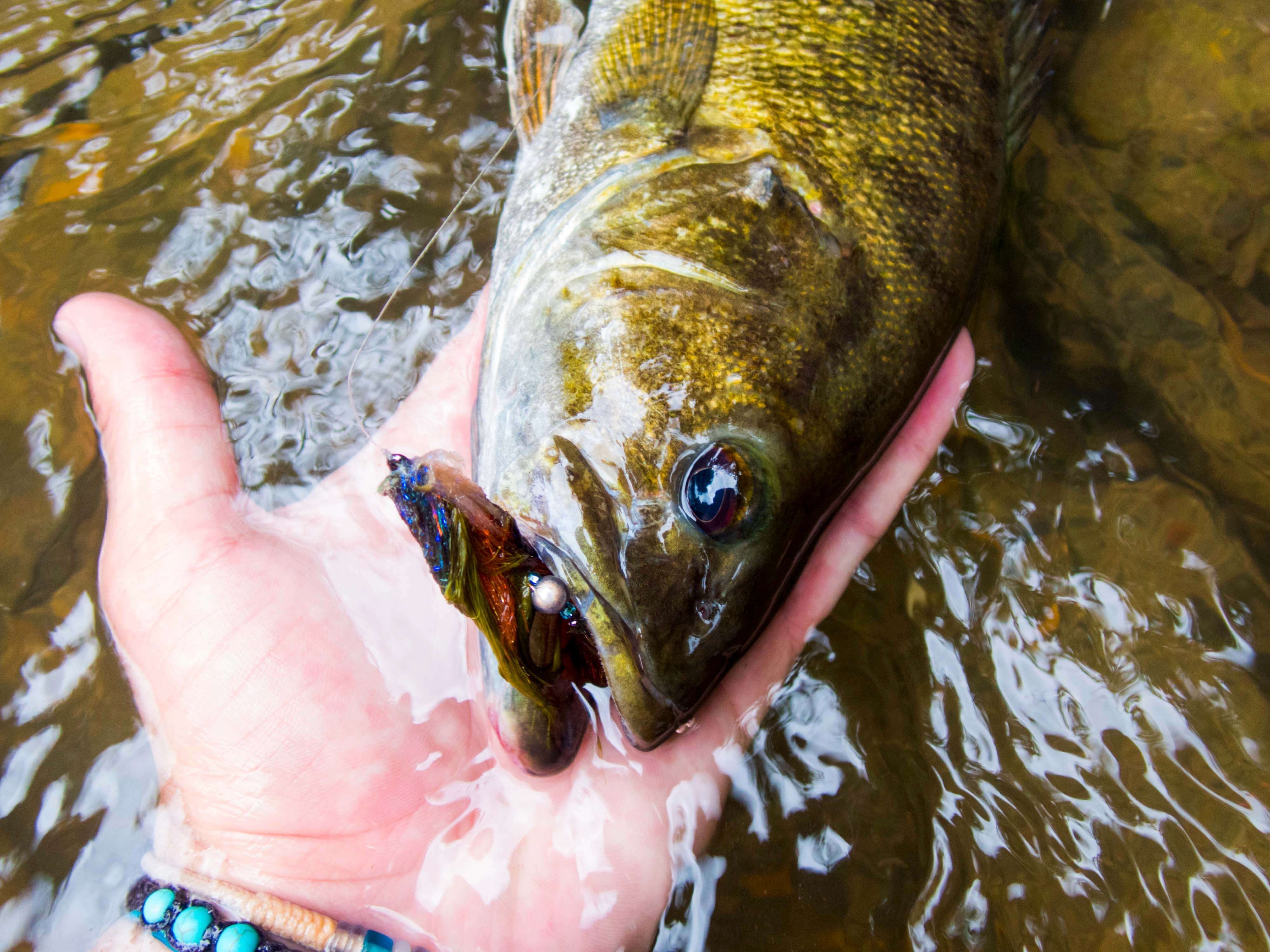
Poppers and Deceivers are the Clearwater’s most effective smallmouth fly patterns. The river’s clear water and rocky structure make poppers particularly effective in the evening hours on the calmer pool sections — place a foam popper against the rocky cliff face and let it sit before retrieving through the shallow pocket water. Deceivers in natural minnow colors work well in the faster current seams and below the rocky ledge formations. The Clearwater has excellent road access along Highway 12 through the entire lower canyon, making wade and bank access more available than on the Snake.
Pro Tip: The Clearwater River’s confluence with the Salmon River near Riggins offers outstanding mixed-species fly fishing — smallmouth bass from June through September share this section with steelhead during their summer holding period. The current seams and deep pools near the confluence hold some of the river’s largest bass, which take advantage of the forage concentration near two river’s meeting. Target the eddy lines and downstream current breaks of the rocky points with Deceivers for the biggest fish.
River #3
Best SeasonJune – Aug
Top FliesClouser Minnow, Crayfish
Leader / Tippet8 lb fluorocarbon
The Boise River flows from the Boise Mountains through Lucky Peak Reservoir before entering the Treasure Valley near Boise, providing one of Idaho’s most accessible urban fly fishing experiences. The tailwater section below Diversion Dam through Barber Park and into the city of Boise offers surprising smallmouth bass action in a urban park setting, with clear water, rocky structure, and fish populations that benefit from the stable flow and temperature regulation provided by the upstream reservoirs. Bass average 10–14 inches in the urban section with larger fish present in the slower, deeper stretches below the whitewater sections.
Clouser Minnows and crayfish patterns are the Boise River’s most consistent smallmouth producers. The river’s clear tailwater makes precise presentations important — use 9-foot leaders with 8 lb fluorocarbon tippet for the best results. Crayfish patterns dead-drifted along the rocky bottom through the riffle sections produce well from mid-June through August when the naturals are most active. Clouser Minnows cover the faster current seams and pool transitions. The Boise River Greenbelt provides excellent walking and cycling access to extensive river sections through the city.
Pro Tip: The Boise River’s most consistent smallmouth water lies in the section from Barber Park downstream through the Boise Riverbend section — approximately 5 miles of accessible urban river with good riffle-pool structure and a surprisingly healthy bass population. Access from the Greenbelt at multiple points and work upstream systematically, targeting the deeper pool sections below the whitewater drops where bass concentrate during the hottest part of the day. Evening fishing from June through August delivers the best action as the day’s heat subsides.
Idaho Smallmouth Bass Fly Fishing — Frequently Asked Questions
What is the best time of year to fly fish for smallmouth bass in Idaho?
The prime season for smallmouth bass fly fishing in Idaho runs from June through September, with peak action typically in July and August when water temperatures in the Hells Canyon and Clearwater sections reach the 65–75°F range. The Boise River’s tailwater section can fish productively from mid-June through August. Hells Canyon is best accessed in late June through early September — summer heat in the canyon can be extreme by late July and August, so early morning and evening fishing is most productive.
What flies work best for Idaho smallmouth bass?
Clouser Minnows are the most versatile producers for Idaho smallmouth across all three rivers, covering the most water and conditions year-round. Poppers deliver exciting surface strikes on the Clearwater’s evening pool sections. Woolly Buggers in black are especially effective in Hells Canyon’s deeper ledge pools. Carry Clouser Minnows in chartreuse/white and natural minnow colors (#2–4), a Woolly Bugger, a crayfish pattern for the Boise, and a foam popper for the Clearwater.
Do I need a fishing license to fly fish for smallmouth bass in Idaho?
Yes. Idaho Department of Fish and Game requires a fishing license for all anglers 14 and older. Non-resident licenses are available in annual and short-term formats. Idaho has a year-round open season for smallmouth bass on most rivers with standard size and bag limits. Hells Canyon is managed jointly by Idaho and Oregon — an Idaho license is required for fishing from the Idaho bank, while an Oregon license is required for the Oregon bank. Always verify current IDFG regulations before fishing.
What gear do I need for fly fishing Idaho smallmouth bass rivers?
A 7-weight fly rod is recommended for Hells Canyon’s bigger water, larger fish, and heavier flies. A 6-weight handles the Clearwater and Boise River effectively. Use 1X tippet for Hells Canyon; 8–10 lb fluorocarbon is appropriate for the Clearwater and Boise. A weight-forward floating line covers most situations; a sink-tip is useful on the Snake’s deep canyon pools. Multi-day float trip logistics — rafts, dry bags, water filtration — are essential for the Hells Canyon experience.