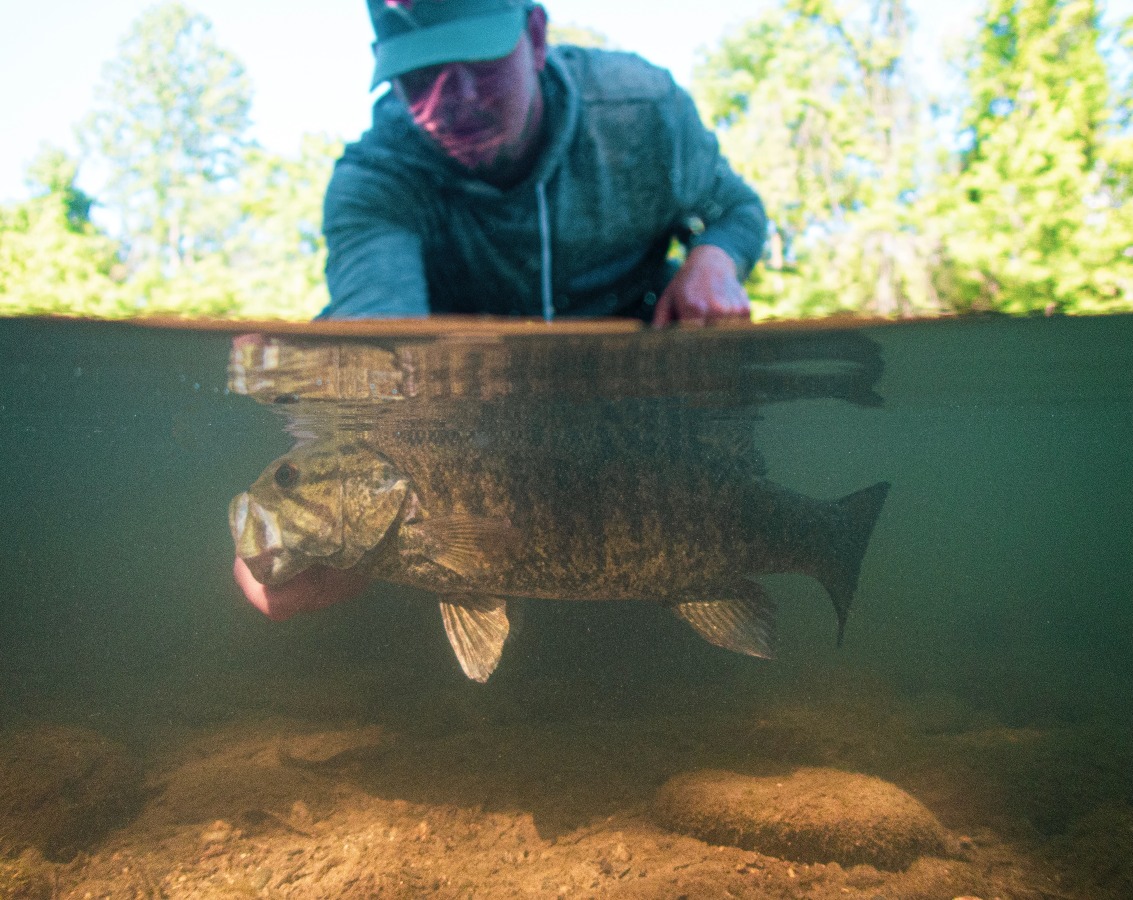
Wisconsin is one of the upper Midwest's most overlooked smallmouth bass fly fishing destinations, offering a remarkable variety of river characters — from the swift, rocky Black River in the west to the wide, tea-colored channels of the Chippewa, the big-shouldered Wisconsin River, the wild Menominee forming the Michigan border, and the legendary St. Croix National Scenic Riverway along the Minnesota line. The season runs from June through October on most systems, with the peak window concentrated between late June and early September when water temperatures hold in the ideal 65–75°F range.
What makes Wisconsin's smallmouth rivers exceptional for fly anglers is the sheer diversity of approaches they reward. The Black River's rocky gradient calls for tight presentations with Clouser Minnows, while the St. Croix's long, glassy pools are tailor-made for evening popper fishing. The Menominee's deep, powerful current demands heavier streamers and sink-tip lines to reach fish in the pools below rapids. A 6-weight handles most Wisconsin smallmouth water; bring a 7-weight for the bigger systems. Evening is prime time across all five rivers — bass move into shallower, more accessible water as light fades, and the surface fishing can be extraordinary.
Ranked by fly fishing character, access, and seasonal opportunity.
River #1
Best SeasonJune – Sept
Top FliesClouser Minnow, Popper
Leader / Tippet8 lb fluorocarbon
The Black River in west-central Wisconsin is one of the state's premier smallmouth destinations — a clean, rocky river that cuts through sandstone bluffs and pine forests on its way to the Mississippi. The lower Black, from Black River Falls downstream, holds excellent populations of smallmouth bass in the 12–17 inch range, with the rock-studded riffles and deep pool structure providing ideal habitat. The river's moderate gradient keeps flows reliable through the summer season.
Clouser Minnows in chartreuse/white are the most productive pattern on the Black, particularly in the deeper runs and around the large sandstone boulders that define the river's character. Afternoon and evening popper fishing is exceptional on the Black's calmer pool sections — position yourself downstream of a riffle and work a foam popper along the current seams and shaded banks. The stretch below Black River Falls through Millston offers the best combination of public access and fish density.
The Black River State Forest provides extensive public land access along the upper sections, and the lower river has multiple DNR-maintained boat landings. Wade-fishing and float fishing both work well — a canoe or kayak opens up the longer flat sections between access points.
Pro Tip: On the Black River, the best morning bite is in the shallower riffles where smallmouth are actively feeding on crayfish in the current. As the sun gets higher, fish move to the shaded deep pools — switch to a weighted Clouser and work it along the bottom for consistent midday action.
River #2
Best SeasonJune – Sept
Top FliesWoolly Bugger, Crawdad
Leader / Tippet1X tippet
The Chippewa River flows from the Northwoods through Eau Claire and Chippewa Falls before joining the Mississippi, and its lower reaches offer some of Wisconsin's most productive big-water smallmouth fishing. The Chippewa runs wide and relatively clear for a large river, with gravel bars, sandy shoals, and rocky points that concentrate smallmouth throughout the summer. The lower Chippewa below Eau Claire sees less pressure than comparable rivers and holds a healthy population of fish in the 1–3 lb range.
Woolly Buggers in black or brown are the Chippewa's most reliable searching patterns — strip them through the current seams along the gravel bars and around the woody debris piles that line the banks. Crawdad patterns produce heavily from late June through August. The Chippewa's gentle gradient makes it excellent canoe and kayak water, with multiple public landings between Eau Claire and the Mississippi confluence. Use 1X tippet on the Chippewa — the bigger fish and occasional wood snags justify the heavier connection.
Pro Tip: The Chippewa smallmouth fishing peaks in late July and early August when water temperatures are optimal and crayfish activity is highest. Fish the downstream sides of gravel bars where the current pushes food against the sand — these transition zones between fast and slow water hold the most active fish.
River #3
Best SeasonJune – Oct
Top FliesDeceiver, Woolly Bugger
Leader / Tippet8–10 lb fluorocarbon
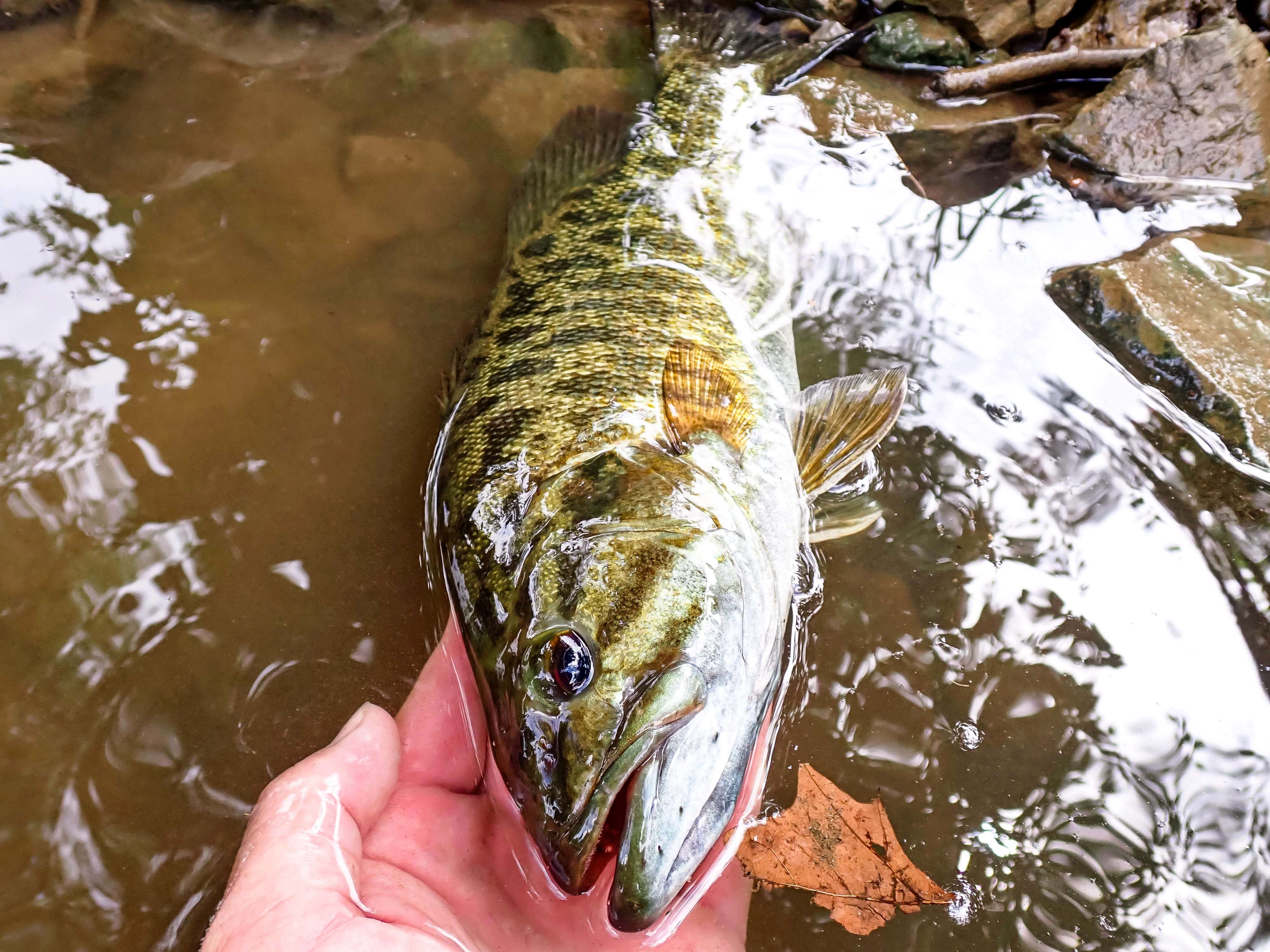
The Menominee River forms the Wisconsin-Michigan border for much of its length, flowing from the Upper Peninsula highlands down to Green Bay. This is a powerful, boulder-strewn river with significant gradient — the kind of water that holds large, aggressive smallmouth in its deep canyon pools and fast chutes. Fish in the 16–20 inch range are realistic targets on the Menominee, and the river's remote character keeps pressure relatively light even through the peak summer season.
Large Deceivers and articulated streamers are the flies of choice on the Menominee's powerful currents — the river's flow demands patterns that push water and trigger reaction strikes from fish holding in the eddies behind boulders and in the deep pools below rapids. Woolly Buggers in black strip effectively through the slower pool sections. The Menominee fishes well into October, extending the season past most Wisconsin smallmouth rivers due to its northerly latitude and consistent flows.
Access the Menominee through Piers Gorge — a stretch of Class IV rapids that creates exceptional smallmouth habitat in the pools above and below. The lower river below the dam system is more accessible and holds excellent numbers of fish.
Pro Tip: On the Menominee, fish the downstream edges of major rapids where the current energy dissipates into deep holding pools. Large smallmouth station themselves here to intercept food delivered by the current — position your boat or wade spot to cast directly into the foam line and strip your Deceiver back against the current for maximum action.