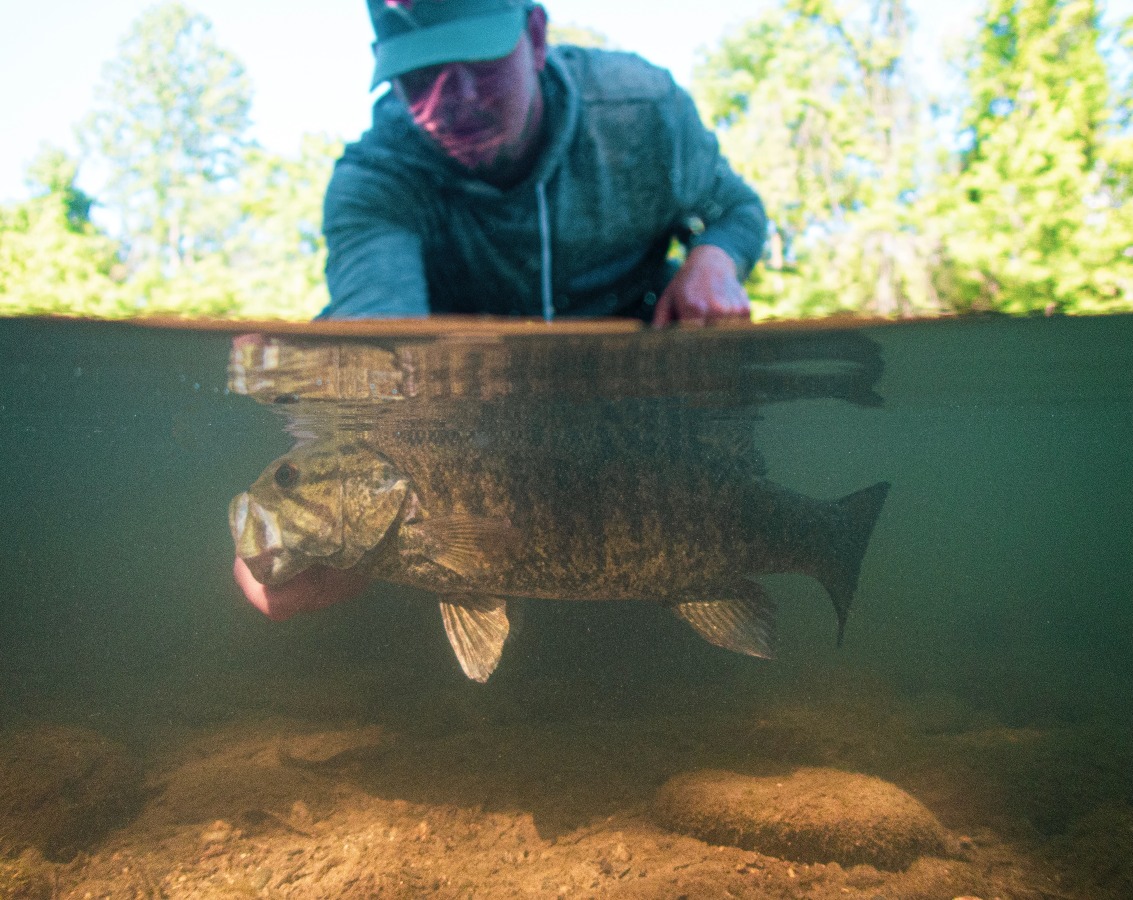
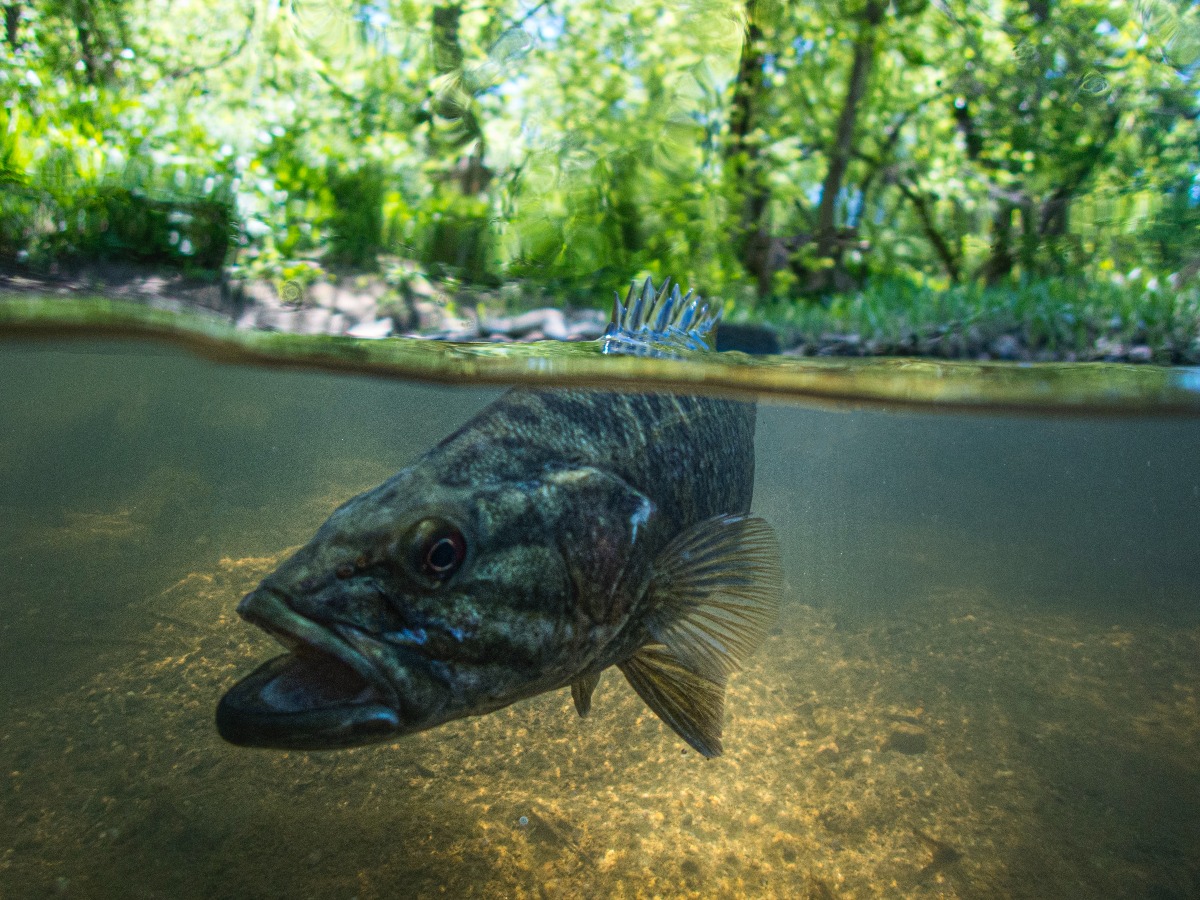
Iowa rarely appears on fly anglers’ bucket lists, but the state’s northeastern corner harbors a collection of clear, rocky rivers that rival better-known Midwestern smallmouth destinations. The Wapsipinicon, Upper Iowa, Shell Rock, and Turkey River all flow through limestone and dolostone terrain that filters and clarifies the water, creating ideal conditions for smallmouth bass that can see and chase a well-presented fly. These are honest, underrated fisheries where a skilled angler can find solitude and consistent action from June through September without competing for water.
The common thread across Iowa’s best smallmouth rivers is their reliance on crayfish-imitating patterns and Clouser Minnows. Iowa’s rivers support dense crayfish populations, and bass key on them throughout the summer months. Poppers and surface flies earn their keep in the evening hours on most of these rivers — the Upper Iowa and Turkey River are particularly good for evening topwater action in the low-light periods. A 6-weight rod with 8 lb fluorocarbon tippet is all you need for most Iowa smallmouth situations.
Ranked by fly fishing character, access, and seasonal opportunity.
River #1
Best SeasonJune – Sept
Top FliesClouser Minnow, Popper
Leader / Tippet8 lb fluorocarbon
The Wapsipinicon River — known locally as “the Wapsi” — flows from northeastern Iowa’s farmland through increasingly rocky terrain as it approaches the Mississippi, offering excellent smallmouth bass fly fishing from Anamosa downstream through Monticello and Oxford Mills. The river’s character shifts from sandy and meandering in its upper reaches to more defined riffles, pools, and gravel bars as it drops through the lower watershed. Smallmouth populations are strong throughout this section, with fish averaging 12–15 inches and regular occurrences of 16–18 inch fish in the deeper pools.
Clouser Minnows in chartreuse/white are the Wapsi’s most reliable producers across the season — work them through the deeper current seams and around the larger boulders and rock ledges that punctuate the lower river. Poppers produce well on the calmer pool sections during evening hours, especially in July and August when bass move into the shallows to feed on insects and frogs. The Wapsipinicon has numerous public access points and canoe launches, making it accessible for both float and wade fishing.
Pro Tip: On the Wapsipinicon, the gravel bars and riffle tails at the bottom of each pool are the most consistent morning producers. Wade up into the riffle and cast a Clouser Minnow down and across, letting it swing through the shallow gravel on the downstream side — smallmouth stack up here to intercept forage moving with the current, and you’ll often hook fish in less than two feet of water.
River #2
Best SeasonJune – Sept
Top FliesCrayfish Pattern, Deceiver
Leader / Tippet8 lb fluorocarbon
The Upper Iowa River is Iowa’s crown jewel for smallmouth bass fly fishing — a spring-fed, limestone-bedrock stream flowing through the Driftless Area’s dramatic bluff and valley landscape in Winneshiek and Allamakee counties. The Upper Iowa is gin-clear, cold, and rocky, with a character more reminiscent of an Ozark stream than a typical Iowa river. Smallmouth bass thrive in its clean, well-oxygenated water, and fish in this river are notably hard-fighting and well-conditioned. The stretch from Kendallville downstream to Dorchester offers the best combination of fish density and accessibility.
Crayfish patterns are the most productive flies on the Upper Iowa’s rocky substrate — dead-drift a weighted crayfish pattern along the bottom of the runs and pools, then strip it erratically when it swings. Deceivers and larger streamers work well in the deeper, faster sections around the bridge pools and below the river’s natural ledge drops. The Upper Iowa’s clarity means longer leaders and careful presentations reward careful anglers — spook a pool and the fishing dies for 20 minutes.
Pro Tip: The Upper Iowa River is best fished from a canoe or kayak to access its many twists through the Driftless bluff country. Launch at Kendallville and float to Bluffton or Decorah for a half-day float covering the most productive water. Focus on the shadow lines cast by the bluffs in the morning — smallmouth hold in these shaded lies and are less spooky when the sun hasn’t reached the water yet.

River #3
Best SeasonJune – Aug
Top FliesWoolly Bugger, Clouser Minnow
Leader / Tippet8 lb fluorocarbon
The Shell Rock River flows from Minnesota’s Fountain Lake through north-central Iowa, passing through Floyd and Butler counties before joining the Cedar River near Shell Rock. It’s an underrated smallmouth river that rewards anglers willing to explore — the sections between Marble Rock and Shell Rock town offer good riffle-pool structure and consistent bass populations. The Shell Rock is a mid-sized river, wadeable at normal flows with a mix of sand, gravel, and occasional limestone ledges that create the best holding habitat.
Woolly Buggers and Clouser Minnows cover the majority of Shell Rock fishing situations. The Woolly Bugger works best on the slower, deeper pool sections where bass are holding off the bottom during midday heat — strip it with long, slow retrieves to cover depth. Clouser Minnows excel on the riffles and transition zones where fast water meets slower pool water. The season on the Shell Rock is somewhat compressed — June through August offers the most consistent water temperatures and fish activity before late-summer low water concentrates but also spooks fish.
Pro Tip: On the Shell Rock, the limestone ledge formations that appear periodically through the river’s mid-section are the most reliable smallmouth structure. Cast a Clouser Minnow to the upstream face of a ledge and let it sink before stripping it back through the eddy on the downstream side — bass hold in the still water immediately behind ledges where they can ambush passing forage without fighting the current.
River #4
Best SeasonJune – Sept
Top FliesPopper, Clouser Minnow
Leader / Tippet8–10 lb fluorocarbon
The Turkey River drains the heart of Iowa’s Driftless Area, flowing from Spillville south and east through Elkader and Garber before joining the Mississippi at Garnavillo. The Turkey is a wild-feeling river for Iowa — clear water, limestone bluffs, forested corridors, and a rocky bottom that holds good populations of smallmouth bass throughout the summer season. The stretch from Elkader downstream through Garber is the most productive, with a series of riffles, pools, and rock ledges that concentrate fish from June through September.
Poppers earn their reputation on the Turkey River — evening surface fishing from late June through August can produce explosive action in the pool sections between riffles. Cast a foam popper against the shaded bank and let it sit motionless for a count of five before the first pop — the strike often comes on the initial disturbance. Clouser Minnows cover the daytime subsurface fishing on the riffles and current seams. Use 8–10 lb fluorocarbon to handle the occasional larger fish the Turkey’s deeper pools produce.
Pro Tip: The Turkey River’s smallmouth fishing peaks in the two weeks following the bass spawn, typically in late June. Fish that were aggressive during spawning remain territorial and feeding actively — target the transition zones between fast riffle water and the deeper pool tails, where post-spawn bass set up to ambush forage moving downstream in the current. A Clouser Minnow swung through this zone on a downstream presentation is the most effective tactic.
Iowa Smallmouth Bass Fly Fishing — Frequently Asked Questions
What is the best time of year to fly fish for smallmouth bass in Iowa?
The prime season for smallmouth bass fly fishing in Iowa runs from June through September, with peak action typically in late June through August when water temperatures reach the 65–75°F range that smallmouth prefer. The post-spawn period in late June is especially productive on the Wapsipinicon and Upper Iowa rivers. The Turkey River can fish well into September, while the Shell Rock tends to slow earlier as late-summer low water concentrates fish but also makes them more wary.
What flies work best for Iowa smallmouth bass?
Clouser Minnows and crayfish patterns are the workhorses for Iowa smallmouth, covering the most water and conditions year-round. Poppers produce explosive strikes on warm summer evenings on the Upper Iowa and Turkey River. Woolly Buggers in olive or black work well on the Shell Rock’s deeper, slower runs. For a complete Iowa smallmouth kit, carry Clouser Minnows in chartreuse/white (#2–6), a crayfish or crawdad pattern, a Woolly Bugger, and a foam popper for evening surface action.
Do I need a fishing license to fly fish for smallmouth bass in Iowa?
Yes. The Iowa Department of Natural Resources requires a fishing license for all anglers 16 and older. Non-resident licenses are available in annual and short-term formats. Iowa has no closed season on smallmouth bass in most rivers, though possession limits apply year-round. Always verify current Iowa DNR regulations for the specific river you plan to fish, as bag limits and size restrictions can vary by water body.
What gear do I need for fly fishing Iowa smallmouth bass rivers?
A 6-weight fly rod is the standard choice for Iowa’s smallmouth rivers, providing enough power to cast larger streamers and poppers while still delivering sport on typical 1–2 lb fish. Use 8 lb fluorocarbon tippet for most Iowa smallmouth situations — the rivers are relatively clear and fluorocarbon’s low visibility is an advantage. A weight-forward floating line covers most Iowa smallmouth water effectively; a sink-tip can be useful on the deeper holes of the Wapsipinicon and Shell Rock during midday.