Oregon Fly Fishing

Best Smallmouth Bass Rivers in Oregon for Fly Fishing

Oregon’s John Day, Deschutes, and Willamette river systems offer world-class smallmouth bass fly fishing in high desert canyon country and lush valley settings.

Find Access & Live Flows →

Oregon is home to some of the most spectacular and remote smallmouth bass fly fishing in the United States — the John Day River’s 70-mile canyon floats, the Deschutes’s technical canyon water, and the North Fork John Day’s isolated Blue Mountain setting offer experiences that combine outstanding fishing with wilderness scenery that rivals anything in the country. Even the Willamette’s more urban stretches provide accessible and productive fly fishing within city limits throughout the valley.

Oregon’s smallmouth season runs from June through September, with peak action in July and August when the canyon rivers warm into the optimal bass range. The John Day River’s evening popper fishing is legendary among those who have experienced it — warm canyon evenings, dense bass populations, and spectacular basalt wall scenery create conditions for some of the most exciting surface fly fishing available. Clouser Minnows and poppers are the workhorses; carry sculpin patterns for the Deschutes and crayfish patterns for the North Fork John Day.

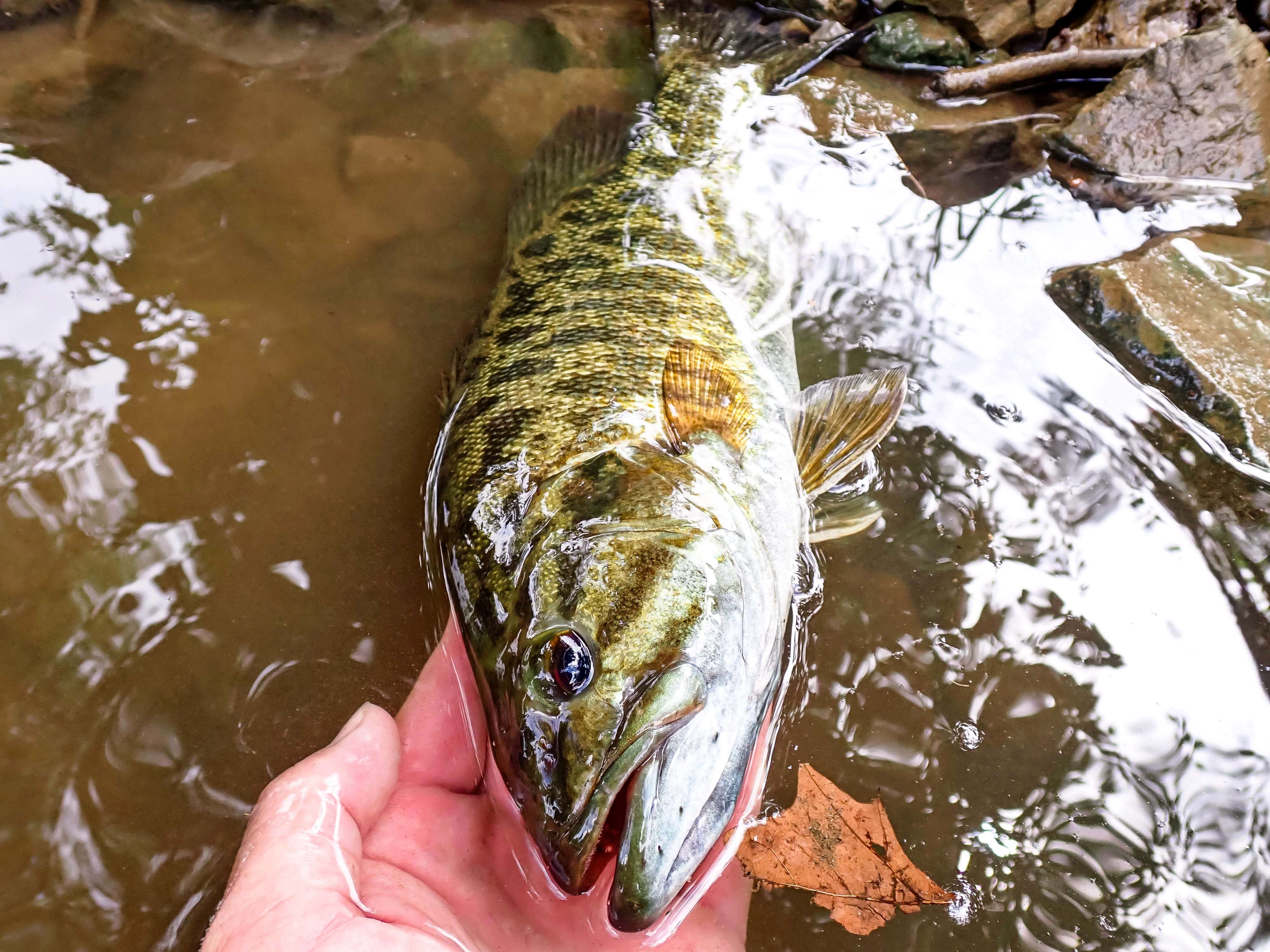
Fly fishing for smallmouth bass in Oregon

The Best Oregon Rivers for Smallmouth Bass on the Fly

Ranked by fly fishing character, access, and seasonal opportunity.

River #1

John Day River

Best SeasonJune – Sept
Top FliesClouser Minnow, Popper
Leader / Tippet8 lb fluorocarbon

The John Day River is Oregon’s crown jewel for smallmouth bass fly fishing — a wild, undammed river flowing through 300 miles of high desert canyon country in central and eastern Oregon before joining the Columbia. The lower John Day from Service Creek downstream through the John Day River Canyon to the Columbia holds exceptional smallmouth populations in spectacular basalt canyon scenery. Fish averaging 14–18 inches are realistic targets throughout the canyon sections, and the John Day produces more trophy smallmouth over 20 inches than any other Oregon river.

Clouser Minnows and poppers are the John Day’s most effective fly choices. The canyon’s clear water rewards precise presentations — Clouser Minnows in natural minnow colors on 9-foot leaders produce more fish than gaudy chartreuse patterns that work on more turbid rivers. Poppers deliver spectacular surface strikes in the evening hours on the calmer pool sections between the canyon’s rocky rapid sections. The John Day is a float-fishing river — the 70-mile Service Creek to Clarno float and the 74-mile Clarno to Cottonwood Canyon float are the classic multi-day smallmouth trips.

Pro Tip: The John Day River’s evening popper fishing in July and August is among the finest surface fly fishing for smallmouth bass available anywhere in the United States — the canyon’s warm evenings, calm pool water, and dense bass populations create conditions where a popper placed against the cliff-face bank will draw violent strikes throughout the hour before dark. Float the canyon sections and fish evenings from the gravel bar camps for an unforgettable experience.
River #2

Deschutes River

Best SeasonJune – Sept
Top FliesWoolly Bugger, Sculpin
Leader / Tippet8–10 lb fluorocarbon

The Deschutes River flows north from its headwaters near Crane Prairie Reservoir through Bend and Maupin before joining the Columbia at the Deschutes River Recreation Area. The lower Deschutes from Maupin downstream is primarily known for its superb steelhead and trout fishing, but it also holds a robust smallmouth bass population in its lower canyon sections. The section from Maupin to the Columbia confluence offers rocky ledge formations, fast current, and deep pools that hold both steelhead and bass — a unique river where you might hook a rainbow trout and a 16-inch smallmouth within the same hour.

Woolly Buggers and sculpin patterns are the Deschutes smallmouth’s most effective flies — the river’s clear water and technical character reward presentations that match the natural forage. Sculpin patterns fished on a sink-tip line through the deeper canyon pool sections produce the river’s largest bass. Woolly Buggers in olive or brown strip well through the mid-depth runs. The Deschutes canyon is accessed by road at Maupin and by float downstream, with Bureau of Land Management campgrounds along the river’s lower canyon section providing overnight float access.

Pro Tip: The Deschutes River’s bass fishing improves significantly as you move downstream toward the Columbia — the lower 25 miles above the confluence hold the highest bass densities and the largest fish. Float this section in a drift boat or raft and target the rocky ledge formations on the outside bends where current concentrates both bass and baitfish. Evening is prime time on the Deschutes — as the canyon cools and shadows fall across the water, bass move aggressively from their daytime holding lies onto the rocky shelves to feed.
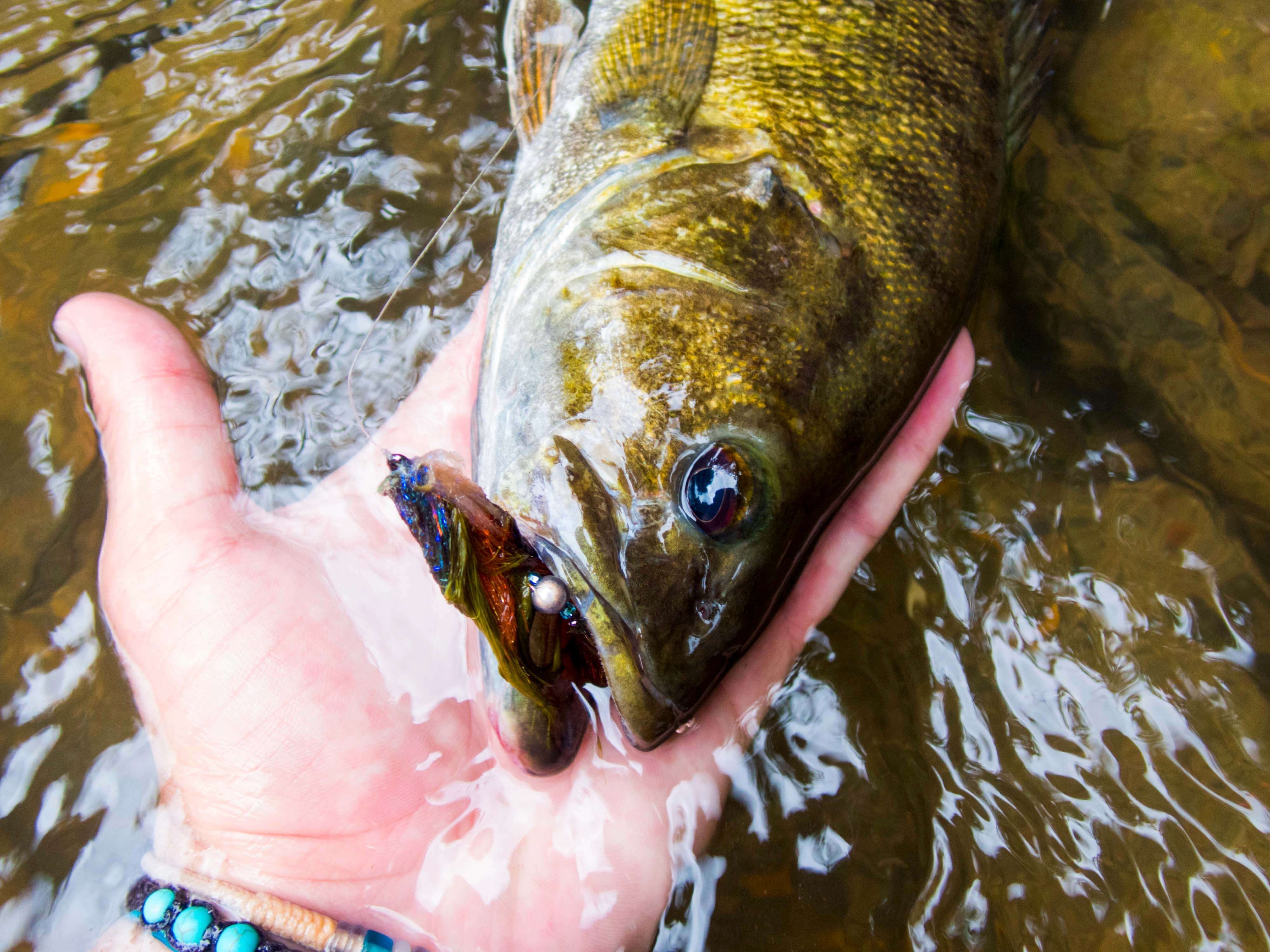
Smallmouth bass fly fishing Oregon rivers
River #3

North Fork John Day River

Best SeasonJune – Aug
Top FliesCrayfish Pattern, Deceiver
Leader / Tippet8 lb fluorocarbon

The North Fork John Day River flows through the Blue Mountains of northeastern Oregon, offering a smaller and more intimate smallmouth fishing experience than the main stem John Day. The canyon section from Monument downstream to its confluence with the main John Day River holds smaller but worthy smallmouth populations in a wild, remote setting that sees very little fishing pressure. The North Fork’s clear, cold Blue Mountain water creates ideal conditions for well-conditioned bass that respond aggressively to crayfish patterns and Deceivers.

Crayfish patterns and Deceivers are the North Fork John Day’s most effective flies. The river’s rocky substrate and clear water mean crayfish imitations consistently outperform other patterns from June through August when the naturals are most active. Dead-drift a weighted crayfish pattern along the rocky bottom and strip it erratically as it swings. Deceivers in natural colors work well in the deeper pool sections below the canyon’s more significant rapid drops. Access to the North Fork canyon is limited — the river is best reached by the Monument Road corridor with several roadside access points.

Pro Tip: The North Fork John Day River’s most productive smallmouth water lies in the canyon section below Monument, where the river cuts through basalt and greenstone formations that create ideal bass habitat. Wade upstream from the Monument Bridge access and work the riffle-to-pool transitions systematically. The river’s remoteness means pressure is minimal and fish are aggressive — you’ll often find bass rising freely on the surface in low-light periods, which is rare behavior on more-pressured Oregon waters.
River #4

Willamette River

Best SeasonMay – Oct
Top FliesStreamer, Clouser Minnow
Leader / Tippet1X–2X tippet

The Willamette River flows north through Oregon’s most populated valley, passing through Eugene, Salem, and Portland before joining the Columbia. Despite its urban setting, the Willamette holds substantial smallmouth bass populations throughout its Oregon length, particularly in the rocky sections between the valley’s cities where the river maintains current structure and natural bank habitat. The sections from Eugene through Corvallis and Albany, and the Portland metropolitan area sections accessible from the Willamette Greenway, offer productive fly fishing for smallmouth from May through October.

Streamers and Clouser Minnows cover most Willamette smallmouth situations. Large articulated streamers produce the biggest fish in the deeper, faster channel sections, while Clouser Minnows work effectively along the rock ledge formations and gravel bar current seams throughout the river’s length. The Willamette is primarily a float-fishing river for smallmouth access — numerous public boat launches along the Willamette Greenway provide excellent canoe and kayak float access from multiple urban launch points in each valley city.

Pro Tip: The Willamette River’s best smallmouth fly fishing occurs in the rocky section between Harrisburg and Albany, where the river maintains a more natural channel character with gravel bars, boulders, and current diversity that creates ideal bass habitat. Float this section in a canoe or drift boat and focus on the downstream faces of the river’s rock formations with large Clouser Minnows — the same technique that works on the John Day and Deschutes produces consistent results here in a more accessible, non-canyon setting.

Find Public Access on These Rivers

FlyFishFinder maps 37,000+ boat ramps and put-ins with public access boundaries and real-time USGS flows — so you know exactly where to launch and when conditions are right.

Open FlyFishFinder Free →

Oregon Smallmouth Bass Fly Fishing — Frequently Asked Questions

What is the best time of year to fly fish for smallmouth bass in Oregon?

The prime season for smallmouth bass fly fishing in Oregon runs from June through September, with peak action typically in July and August when water temperatures in the canyon rivers reach the 65–75°F range. The John Day River fishing peaks in July and August during the canyon’s hottest months. The Willamette fishes from May through October due to its more moderate valley temperatures. Evening fishing is the most productive time on all Oregon smallmouth rivers during the summer months.

What flies work best for Oregon smallmouth bass?

Clouser Minnows and poppers are the most consistent producers for Oregon smallmouth, particularly on the John Day’s canyon water. Woolly Buggers and sculpin patterns produce well on the Deschutes’s technical canyon flows. Crayfish patterns are effective on the North Fork John Day and Willamette rocky sections. Carry Clouser Minnows in natural minnow colors (#2–4), a sculpin or crayfish pattern, a Woolly Bugger, and a foam popper for a complete Oregon smallmouth kit.

Do I need a fishing license to fly fish for smallmouth bass in Oregon?

Yes. Oregon Department of Fish and Wildlife requires a fishing license for all anglers 12 and older. Non-resident licenses are available in annual and short-term formats. Oregon has a year-round open season for smallmouth bass on most rivers with standard bag limits. Some sections of the Deschutes and John Day may have combined steelhead/bass regulations — verify current ODFW regulations for each specific river section before fishing.

What gear do I need for fly fishing Oregon smallmouth bass rivers?

A 6-weight fly rod handles most Oregon smallmouth situations effectively. The John Day and Deschutes canyon sections benefit from a 7-weight for larger flies and stronger currents. Use 8–10 lb fluorocarbon tippet for the canyon rivers — 1X–2X is appropriate for the Willamette’s larger fish. A weight-forward floating line covers most situations; a sink-tip is valuable on the Deschutes’s deep canyon pools. Multi-day float trip gear — dry bags, camp kit, raft or drift boat — is essential for the John Day’s canyon floats.

FlyFishFinder App

See Prime Waters Near You
Before You Drive

Real-time river flows, alerts to your phone when rivers turn prime, and the most detailed fly fishing maps on the market — for every major Oregon river.

Start Free Trial →

Free Trial · Cancel Anytime

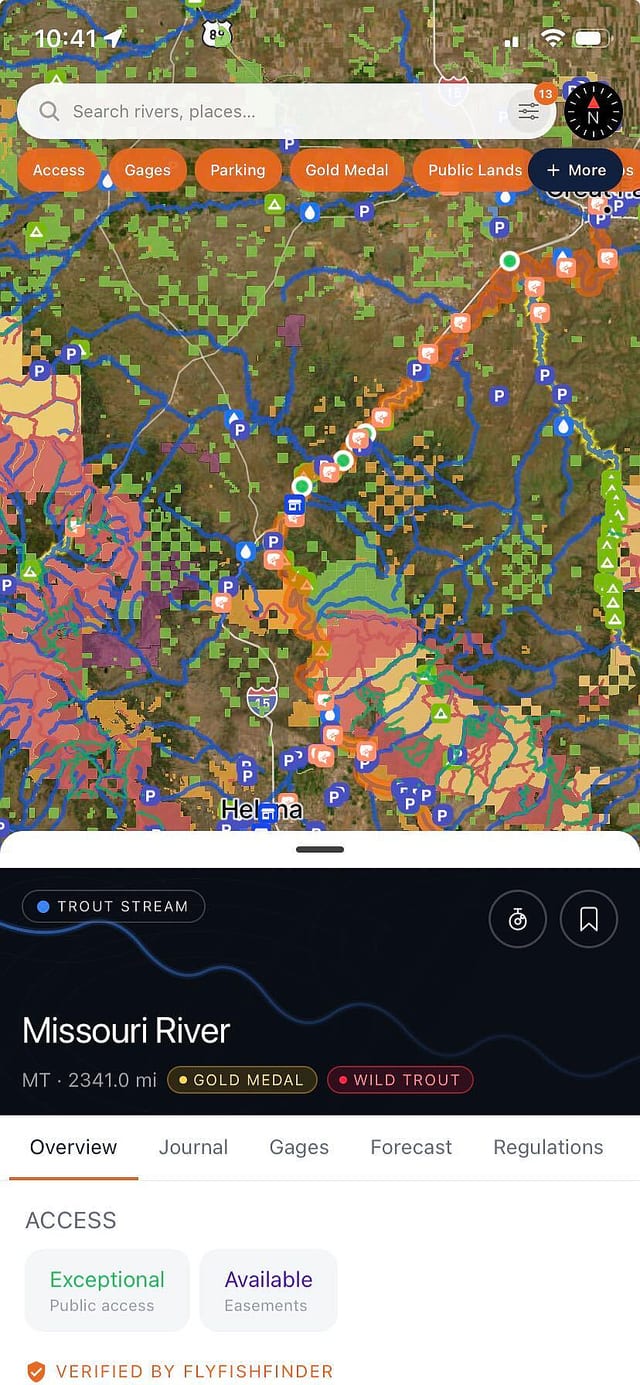
FlyFishFinder app — Oregon fly fishing