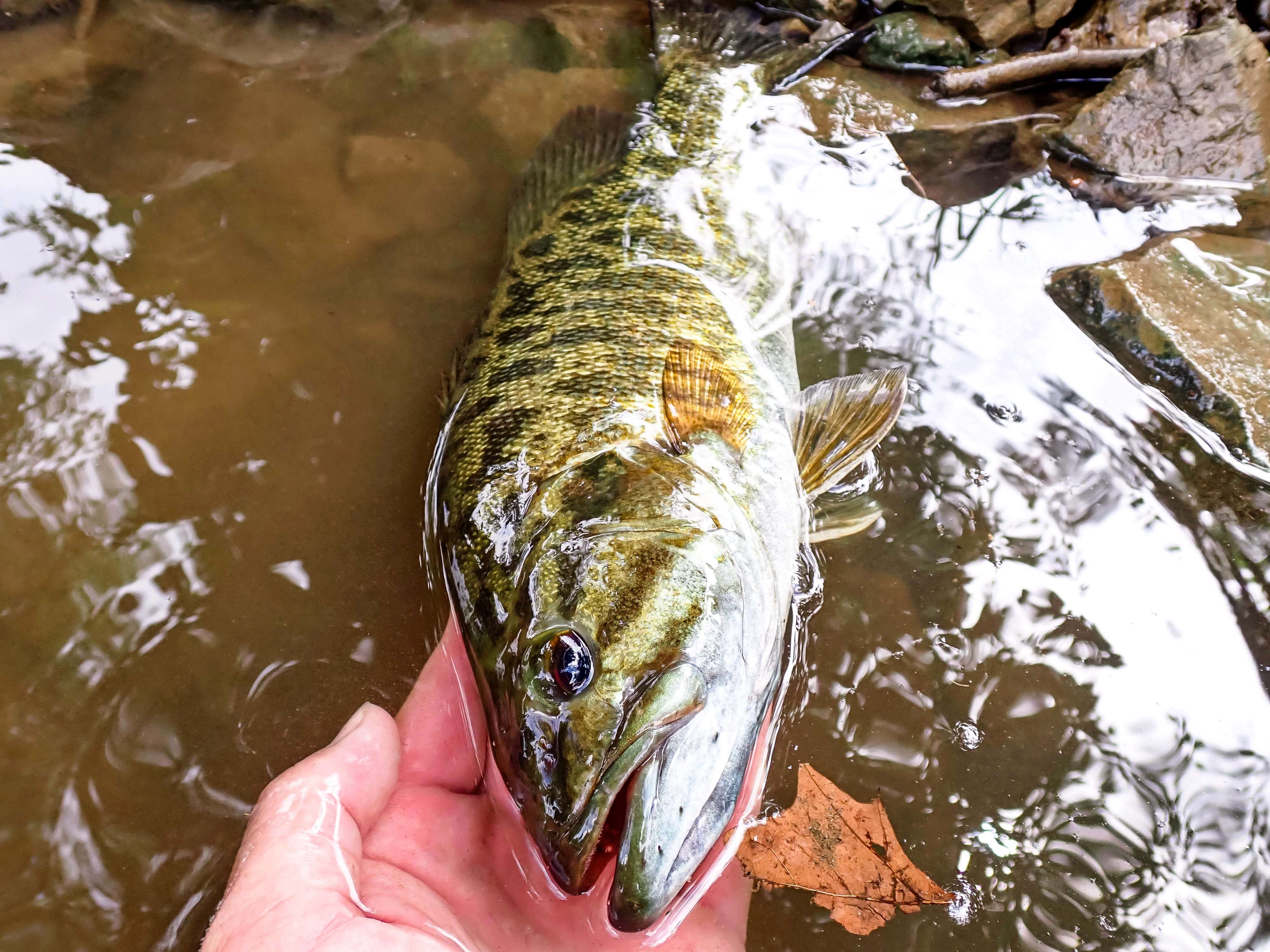
Vermont’s reputation as a fly fishing destination rests firmly on its trout streams, but the state’s warmwater rivers — particularly the Connecticut River border water and the Lake Champlain tributaries — offer surprisingly robust smallmouth bass fly fishing that peaks when trout fishing slows in midsummer heat. The Connecticut River’s Vermont stretch, the Winooski, and the Lamoille each present a different character: big-river ledge fishing on the Connecticut, urban wade fishing on the Winooski, and pastoral small-river angling on the Lamoille.
Vermont’s smallmouth season runs from June through August, with the most consistent action in late June and July when water temperatures settle in the ideal 65–75°F range. Crayfish patterns and Clouser Minnows are the workhorses across all three rivers, with poppers and surface bugs earning their place during the evening hours. A 6-weight rod with 8 lb fluorocarbon tippet handles the majority of Vermont smallmouth situations, though the Connecticut River’s bigger water and larger fish benefit from a 7-weight.
Ranked by fly fishing character, access, and seasonal opportunity.
River #1
Best SeasonJune – Sept
Top FliesClouser Minnow, Deceiver
Leader / Tippet1X tippet
The Connecticut River forms Vermont’s eastern border with New Hampshire and offers the state’s most extensive and productive smallmouth bass fly fishing. The Vermont/New Hampshire stretch from the confluence with the Passumpsic near St. Johnsbury south through White River Junction and Bellows Falls holds consistent smallmouth populations in big-river water with ledge outcroppings, current seams, and long pool sections. Fish average 12–15 inches with larger individuals common in the deeper ledge pools, and the river’s population of smallmouth has grown substantially over the past two decades.
Clouser Minnows in chartreuse/white are the Connecticut’s most consistent producers — work them through the current seams below the river’s granite ledge formations and along the gravel bars. Deceivers and articulated streamers produce the larger fish in the deeper, faster sections. The Connecticut requires a canoe, kayak, or small boat for efficient access; numerous launch points exist along both the Vermont and New Hampshire banks at the Connecticut River Byway access areas. Use 1X tippet for the river’s larger-than-average fish population.
Pro Tip: The Connecticut River’s ledge formations — visible as surface disturbances in medium flows — are the most reliable summer smallmouth structure. Anchor upstream of a ledge and cast a Clouser Minnow to drift through the downstream face, then strip it back through the quiet water below. The largest fish hold in the deepest eddy water immediately behind each ledge, where they can rest from the current and intercept forage without expending energy fighting the flow.
River #2
Best SeasonJune – Aug
Top FliesWoolly Bugger, Popper
Leader / Tippet8 lb fluorocarbon
The Winooski River flows westward from the Green Mountains through Montpelier and Burlington to Lake Champlain, offering accessible and productive smallmouth bass fly fishing through the heart of Vermont’s most populated corridor. The lower Winooski from Waterbury downstream through Essex Junction and Winooski Falls provides the best smallmouth habitat — a medium-sized river with a mix of riffles, rocky runs, and pool sections that hold good populations of bass from June through August. The river’s proximity to Burlington makes it the most convenient fly fishing option for Vermont’s largest city.
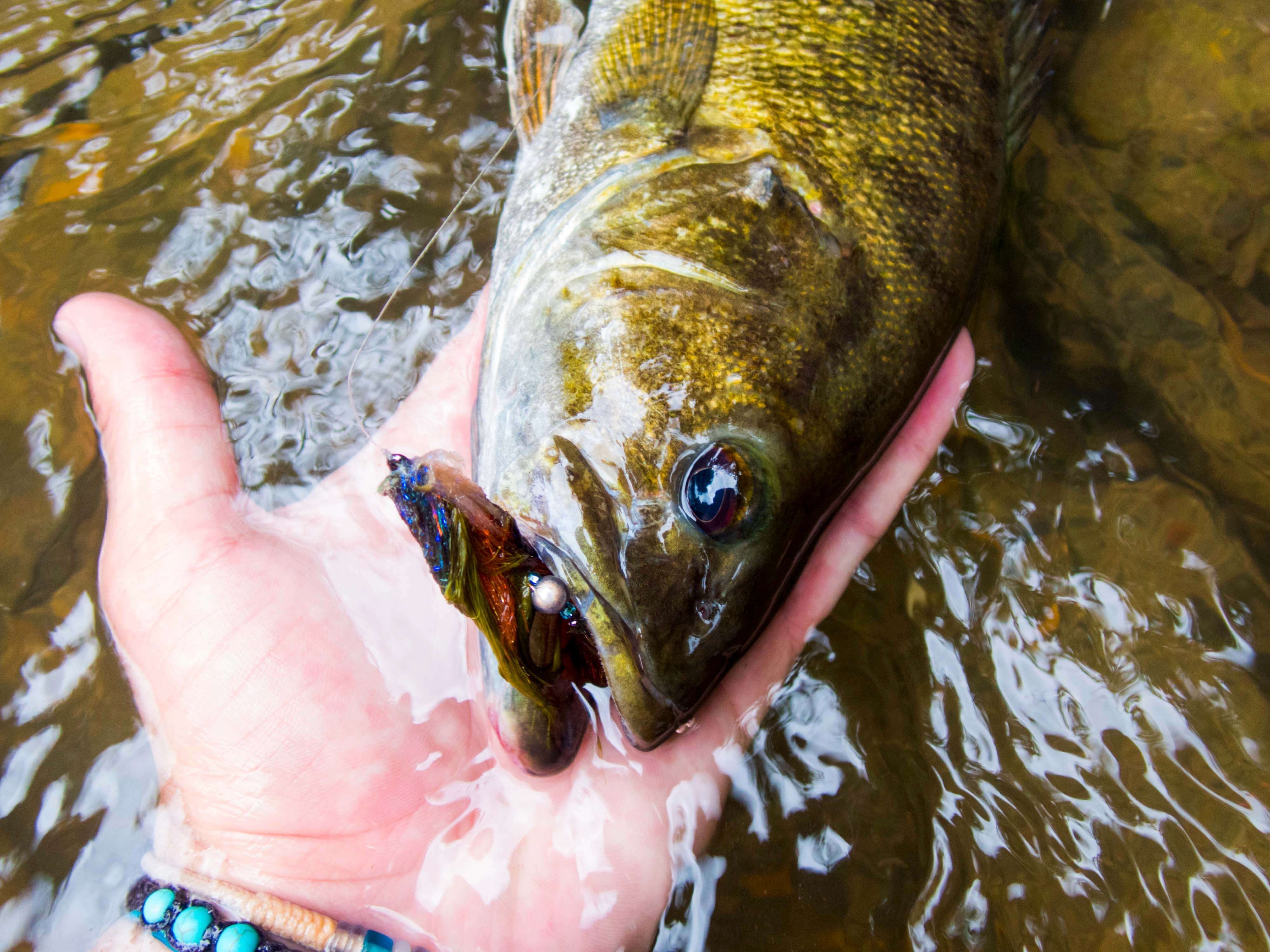
Woolly Buggers in olive or black are the Winooski’s most consistent producers — fish them slowly through the deeper pool sections and along the rocky bottom of the mid-depth runs. Poppers produce well on summer evenings on the calmer pool sections, particularly below the Route 2 bridges where bass congregate in the slack water behind bridge abutments. The Winooski is primarily a wade fishing river at normal summer flows, with good access from multiple roadside pull-offs along Route 2 and Route 2A through Chittenden County.
Pro Tip: The Winooski River’s most consistent smallmouth water lies in the 8-mile section from Bolton to Williston, where the river maintains a more natural channel with less development pressure. Wade upstream from the Jonesville bridge access and work the riffle-to-pool transitions systematically — bass concentrate in the deeper water at the head of each pool and respond well to a Woolly Bugger stripped through the drop-off zone where riffle gives way to pool.
River #3
Best SeasonJune – Aug
Top FliesClouser Minnow, Crayfish
Leader / Tippet8 lb fluorocarbon
The Lamoille River flows westward from the Northeast Kingdom through Johnson and Morrisville before emptying into Lake Champlain near Milton. The lower Lamoille from Johnson downstream through Cambridge and Hyde Park offers accessible smallmouth bass fly fishing in a beautiful Vermont river corridor. The river’s rocky substrate, clear water, and moderate gradient create good smallmouth habitat throughout the lower valley, with fish populations strongest in the sections with the most defined riffle-pool structure.
Clouser Minnows and crayfish patterns are the Lamoille’s most reliable producers. The river has good crayfish populations, and bass key heavily on them from mid-June through August — dead-drift a weighted crayfish pattern along the rocky bottom and strip it erratically through the swing. Clouser Minnows in olive/white or chartreuse/white cover the faster current seams and riffles. The Lamoille is a good wade fishing river at normal summer flows, with access from multiple Route 15 corridor crossings through Lamoille County.
Pro Tip: The Lamoille River’s best smallmouth action occurs in the early morning hours when fish move out of their daytime pool holding lies onto the adjacent gravel bars and riffle sections to feed. Arrive at first light and systematically work the riffle margins with a Clouser Minnow — bass in these shallow feeding zones are aggressive and territorial, and you can often take multiple fish from a single productive riffle section before the sun drives them back to deeper water.
Vermont Smallmouth Bass Fly Fishing — Frequently Asked Questions
What is the best time of year to fly fish for smallmouth bass in Vermont?
The prime season for smallmouth bass fly fishing in Vermont runs from June through August, with the most consistent action in late June and July when water temperatures reach the 65–75°F range. The Connecticut River can fish well into September due to its larger volume and more stable temperatures. Smaller rivers like the Winooski and Lamoille tend to run low and warm by late August, concentrating fish but also making them more cautious.
What flies work best for Vermont smallmouth bass?
Clouser Minnows and crayfish patterns are the most consistent producers for Vermont smallmouth across all three rivers. Poppers deliver exciting surface strikes on warm evenings on the Connecticut and Winooski. Woolly Buggers in black or olive produce well on the deeper pool sections. For a complete Vermont smallmouth kit, carry Clouser Minnows in chartreuse/white (#2–6), a crayfish pattern, a Woolly Bugger, and a foam popper for evening action on the larger rivers.
Do I need a fishing license to fly fish for smallmouth bass in Vermont?
Yes. Vermont Fish and Wildlife requires a fishing license for all anglers 15 and older. Non-resident licenses are available in annual and short-term formats. Vermont has a year-round season for black bass on most waters, though specific size and bag limits apply. Always verify current Vermont Fish and Wildlife regulations for the river you plan to fish. The Connecticut River requires compliance with both Vermont and New Hampshire regulations — anglers can fish the main channel with either state’s license.
What gear do I need for fly fishing Vermont smallmouth bass rivers?
A 6-weight fly rod is the standard choice for Vermont smallmouth rivers, with enough backbone for poppers and larger streamers. The Connecticut River warrants a 7-weight for its bigger water and larger fish. Use 8 lb fluorocarbon tippet on the smaller rivers — 1X is appropriate on the Connecticut. A weight-forward floating line covers most Vermont smallmouth water; a sink-tip adds capability on the Connecticut’s deeper ledge pools.