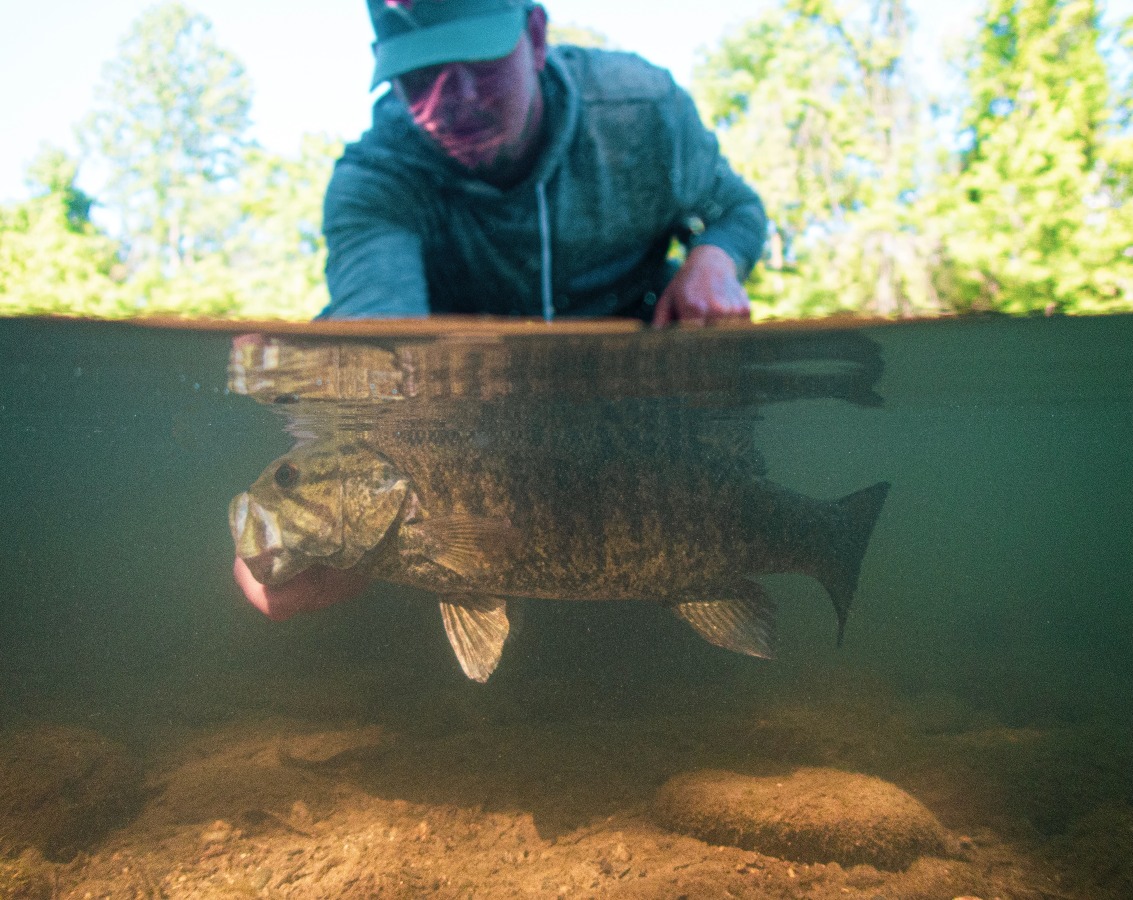
Washington’s eastern half — the Columbia basin country east of the Cascades — harbors some of the Pacific Northwest’s finest smallmouth bass fly fishing. The Columbia River itself is the centerpiece, offering big-water trophy smallmouth fishing in the remarkable Hanford Reach National Monument and the Tri-Cities area. The tributary rivers — the Spokane, Yakima, Wenatchee, and Colville — each provide distinct river characters ranging from basalt gorge canyon fishing to scenic mountain valley streams.
Washington’s Columbia basin smallmouth season runs from May through October, with the peak window in July and August when the basin’s warm desert and semi-arid climate pushes water temperatures into the ideal bass range. Clouser Minnows and Deceivers are the workhorses on the Columbia’s big water; smaller tributary rivers respond well to crayfish patterns, Woolly Buggers, and poppers. A 7-weight handles the Columbia; a 6-weight is appropriate for all the tributary rivers.
Ranked by fly fishing character, access, and seasonal opportunity.
River #1
Best SeasonMay – Oct
Top FliesClouser Minnow, Deceiver
Leader / Tippet1X–2X tippet
The Columbia River forms Washington’s southern border with Oregon and is one of the Pacific Northwest’s finest big-river smallmouth bass fisheries. The mid-Columbia section from the Tri-Cities (Kennewick, Pasco, Richland) west through the Hanford Reach and east through the Yakima Valley offer consistent smallmouth populations in powerful current with rocky ledge structure, eddy lines, and the kind of big-river habitat that produces trophy fish. The Columbia’s smallmouth average 14–18 inches in the productive sections, and the river holds genuine trophy bass over 20 inches.
Clouser Minnows and large Deceivers are the Columbia’s most effective fly patterns. The river’s size and power demand large patterns — Clousers in chartreuse/white or natural minnow colors work well in the current seams below the rocky ledge formations and at the confluence points where tributary currents meet the main river. Deceivers and articulated streamers produce the largest fish in the deep pool sections. The Columbia requires a boat for efficient access — jet boats and drift boats provide access to the best mid-river smallmouth habitat, with public launch facilities at all the river’s cities. Use 1X–2X tippet for the Columbia’s trophy-class fish.
Pro Tip: The Columbia River’s Hanford Reach — the last free-flowing section of the river in the U.S. and a National Monument — is the premier smallmouth water in Washington. This 51-mile reach from Vernita to the Richland confluence is undammed, undeveloped, and holds exceptional bass populations in a landscape that looks much as it did before European settlement. Float the reach by raft or jet boat for access to this remarkable fishery, targeting the rocky reefs and island channels that create the most diverse smallmouth habitat in the Columbia basin.
River #2
Best SeasonJune – Sept
Top FliesWoolly Bugger, Popper
Leader / Tippet8–10 lb fluorocarbon
The Spokane River flows west from Lake Coeur d’Alene in Idaho through Spokane and the Spokane River Gorge before joining the Columbia near the Tri-Cities. The lower Spokane below the city through the Riverside State Park section and the Gorge downstream to the Columbia offers accessible and productive smallmouth bass fly fishing in a dramatic basalt gorge setting. The Spokane’s clear water, rocky pools, and moderate gradient create good smallmouth habitat throughout its Washington length, with fish averaging 12–15 inches in the better sections.
Woolly Buggers and poppers are the Spokane River’s most effective smallmouth fly choices. Woolly Buggers in olive or black strip well through the deeper pool sections below the gorge’s significant rapid drops, where bass hold in the quiet water immediately downstream of each cascade. Poppers deliver exciting surface strikes in the evening hours on the calmer pool sections of Riverside State Park. The Spokane has good road access along the entire Washington section via the Centennial Trail and Riverside State Park trails, making wade fishing accessible throughout the summer.
Pro Tip: The Spokane River’s Riverside State Park section — immediately upstream of the city — offers the most accessible and consistent smallmouth fly fishing on the river. Access the park’s various trail systems to reach the river and wade downstream through the rocky gorge sections, targeting the deep pools below each significant drop in the basalt canyon. Evening fishing from late June through August, when the day’s heat pushes bass from their midday lies onto the shallower rocky shelves to feed, consistently produces the most fish and the largest individuals.
River #3
Best SeasonJune – Sept
Top FliesClouser Minnow, Crayfish
Leader / Tippet8 lb fluorocarbon
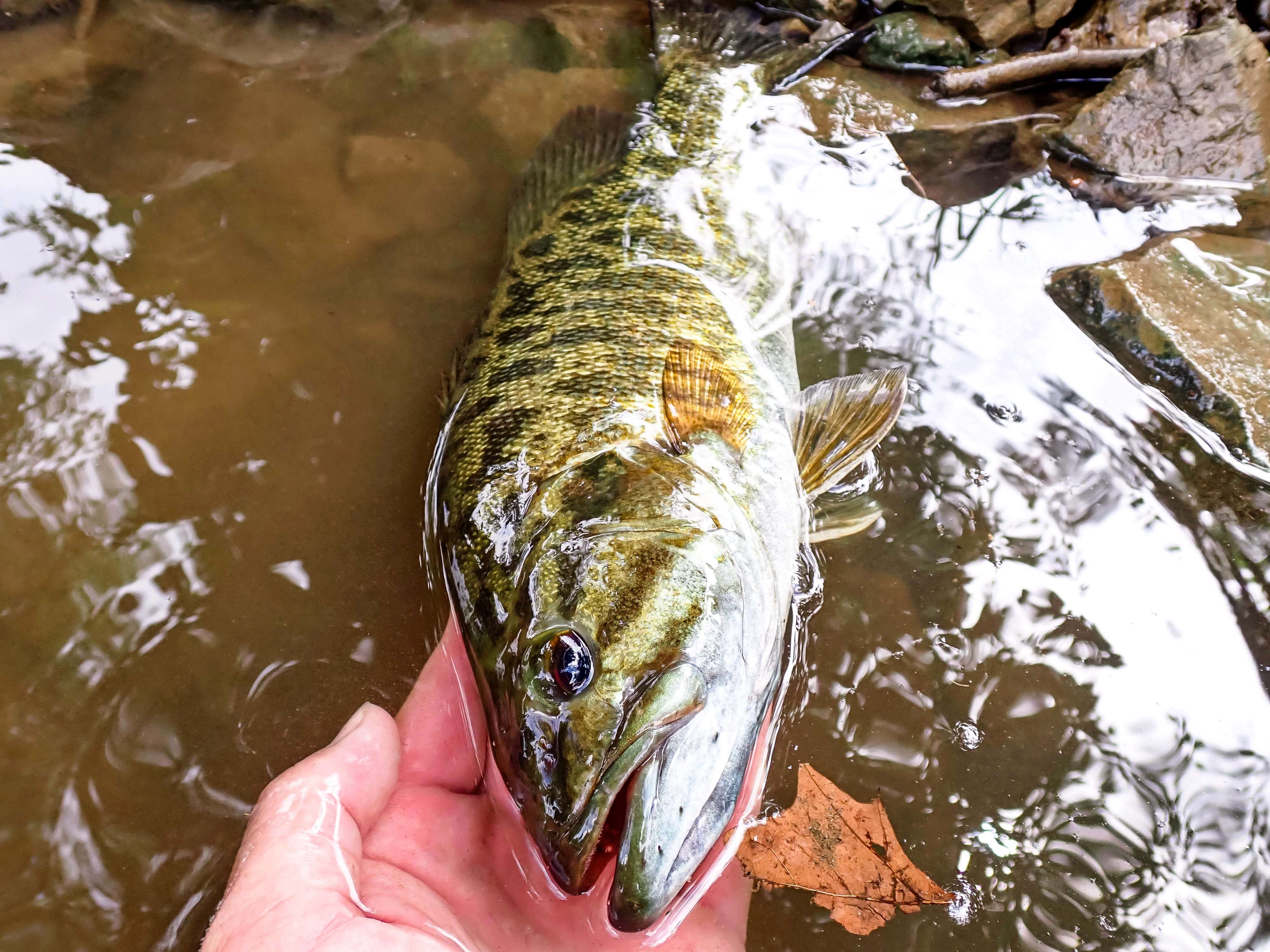
The Yakima River flows from Kittitas County’s Roza Dam through Yakima and the canyon sections before joining the Columbia near Richland. The lower Yakima from Roza Dam downstream through the Yakima Canyon offers a dual fishery — trout in the upper canyon sections and smallmouth bass increasingly dominant in the lower, warmer sections from Selah downstream to the Columbia. The Yakima’s clear water and rocky canyon character produce well-conditioned smallmouth in a beautiful eastern Washington landscape, with fish averaging 12–15 inches in the productive lower sections.
Clouser Minnows and crayfish patterns are the Yakima’s most effective smallmouth producers. The river’s clear water rewards careful presentations — use 9-foot leaders with 8 lb fluorocarbon for the best results on the Yakima’s sometimes-selective fish. Crayfish patterns dead-drifted along the rocky bottom produce well from June through August when the naturals are active. Clouser Minnows in chartreuse/white cover the faster riffle sections effectively. The Yakima Canyon Road provides excellent access along the river’s entire canyon section, with multiple pull-offs for wade fishing access.
Pro Tip: The Yakima River’s smallmouth fishing improves significantly as you move downstream from the trout water near Roza Dam toward the Columbia confluence — warmer water, lower gradient, and a larger, deeper river character creates better bass habitat in the lower 30 miles. The Selah to Richland section offers the river’s best smallmouth density and largest fish. Float this lower section by raft or drift boat and work the rocky points and current seams with Clouser Minnows for consistent action from June through September.
River #4
Best SeasonJune – Sept
Top FliesPopper, Deceiver
Leader / Tippet8 lb fluorocarbon
The Wenatchee River flows from Lake Wenatchee through Leavenworth and Wenatchee before joining the Columbia. The lower Wenatchee from Cashmere downstream through Wenatchee offers productive smallmouth bass fly fishing in a classic apple orchard valley setting backed by the Cascade Mountains. The river’s clear, cold Cascade water and rocky substrate create good smallmouth habitat in the lower valley sections, with fish averaging 11–14 inches in the productive stretches from Cashmere to the Columbia confluence.
Poppers and Deceivers are the Wenatchee’s most effective smallmouth fly choices from June through September. The river’s tree-shaded banks and evening calm make it an excellent popper river during the summer low-light periods — cast against the overhanging vegetation and retrieve with short, sharp pops for explosive strikes from bass holding under the bank shade. Deceivers in natural colors work well in the faster, deeper mid-river sections. The Wenatchee has good road access along US-2 through the valley, with multiple public access points for wade fishing.
Pro Tip: The Wenatchee River’s most consistent smallmouth water lies in the Cashmere to Wenatchee section where the valley widens and the river develops the pool-riffle sequence that concentrates bass. The Cashmere Bypass Road access provides excellent wade fishing entry points, and the river is shallow enough for comfortable wading at normal summer flows. Target the outside bends where the current has scoured into the cobble banks to create deeper holding pools — these are the river’s most reliable summer smallmouth spots.
River #5
Best SeasonJune – Aug
Top FliesClouser Minnow, Woolly Bugger
Leader / Tippet8 lb fluorocarbon
The Colville River flows south from Colville in Stevens County through Kettle Falls before joining the Columbia at Lake Roosevelt. The lower Colville and the Lake Roosevelt section of the Columbia near Kettle Falls provide northeastern Washington’s most accessible smallmouth bass fly fishing in a less-visited corner of the state. The Colville itself is a modest river with good smallmouth populations in its lower sections from Colville downstream through Kettle Falls, while the Lake Roosevelt Columbia section offers big-water smallmouth in the reservoir’s rocky shoreline structure.
Clouser Minnows and Woolly Buggers cover most Colville River smallmouth situations. The river’s modest size and clear water make a 6-weight with 8 lb fluorocarbon the appropriate setup for most fish. Woolly Buggers strip well through the deeper pool sections during midday heat, and Clouser Minnows produce consistently on the faster riffle sections. The Colville River has decent road access along Highway 395 through Stevens County, with wading access at the river crossings through the Colville to Kettle Falls corridor.
Pro Tip: The Colville River’s best smallmouth fishing occurs in the 20-mile section from Colville downstream through Kettle Falls — this reach has the most defined riffle-pool structure and the highest fish density. The river runs low and clear by mid-July, concentrating bass in the deeper pool sections and making them accessible to careful fly anglers. Early June and September are the prime windows when flows are higher and fish more evenly distributed throughout the river’s length; midsummer provides more concentrated but potentially more wary fish.
Washington Smallmouth Bass Fly Fishing — Frequently Asked Questions
What is the best time of year to fly fish for smallmouth bass in Washington?
The prime season for smallmouth bass fly fishing in Washington runs from May through October on the Columbia, with peak action in July and August when water temperatures reach the ideal 65–75°F range. Smaller rivers like the Colville and Wenatchee fish best from June through September. The Columbia’s Hanford Reach section can produce good bass fishing from late April through October due to its thermal stability and large volume.
What flies work best for Washington smallmouth bass?
Clouser Minnows and Deceivers are the most consistent producers for Washington smallmouth on the Columbia’s big water. Woolly Buggers and poppers cover the Spokane and Wenatchee effectively. Crayfish patterns produce well on the Yakima’s rocky canyon sections. Carry Clouser Minnows in chartreuse/white and natural minnow colors (#2–4), a Woolly Bugger, a crayfish pattern, and a foam popper for a complete Washington smallmouth kit.
Do I need a fishing license to fly fish for smallmouth bass in Washington?
Yes. Washington Department of Fish and Wildlife requires a fishing license for all anglers 15 and older. Non-resident licenses are available in annual and short-term formats. Washington has a year-round open season for smallmouth bass on most rivers with standard bag limits. The Columbia River main channel can be fished with a license from either Washington or Oregon for boat fishing on the boundary water — verify current WDFW regulations for each specific river section before fishing.
What gear do I need for fly fishing Washington smallmouth bass rivers?
A 7-weight fly rod is recommended for the Columbia River’s big water, larger fish, and heavier flies. A 6-weight handles the Spokane, Yakima, Wenatchee, and Colville effectively. Use 1X–2X tippet for the Columbia; 8–10 lb fluorocarbon is appropriate for the smaller rivers. A weight-forward floating line covers most situations; a sink-tip adds depth capability on the Columbia’s deep channel pools. A boat is essentially required for productive access to the Columbia’s best smallmouth water.