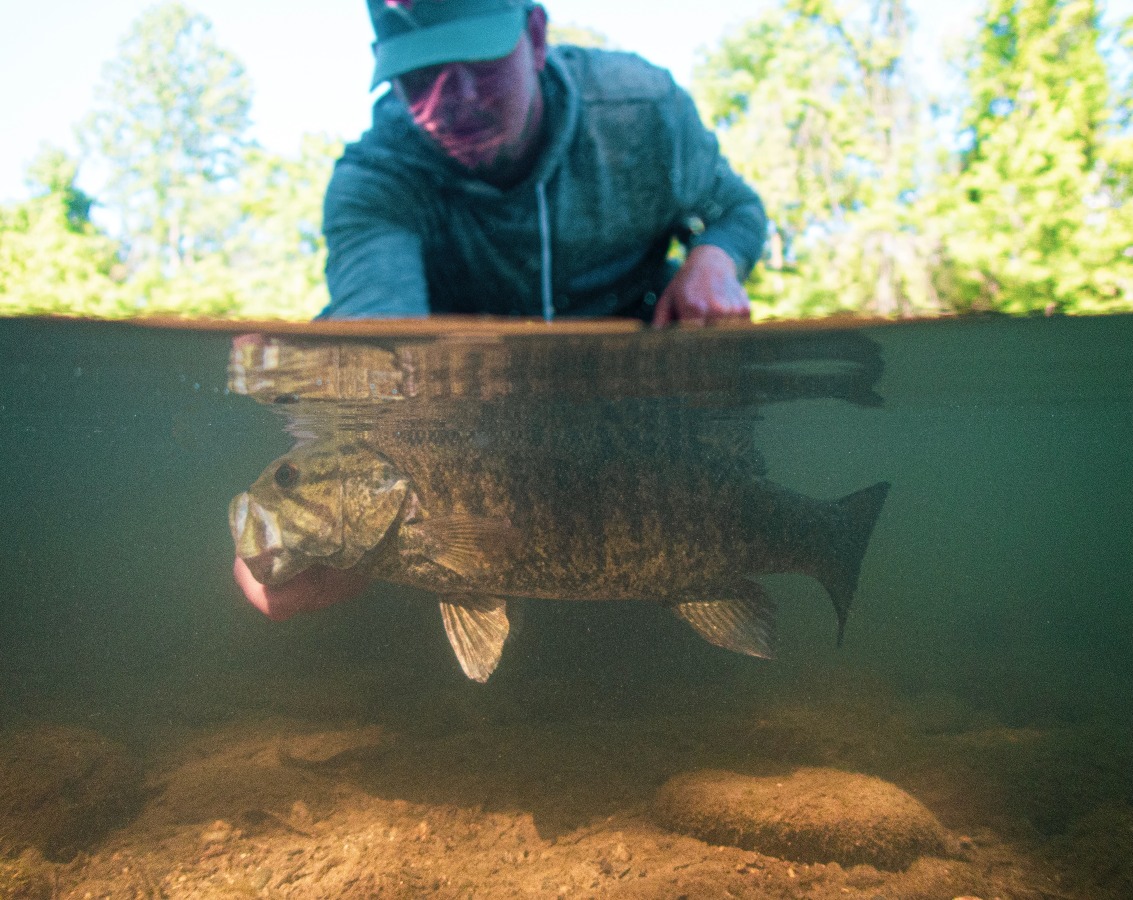
Tennessee is one of the South’s premier smallmouth bass fly fishing destinations, offering a range of river characters that suit different fishing styles and skill levels. The Elk River’s cold tailwater below Tims Ford Dam extends the season and keeps fish active even in the heat of August. The Hiwassee’s wild mountain river character in the Cherokee National Forest appeals to anglers seeking scenery alongside their fishing. And the Buffalo River’s pastoral central Tennessee setting provides a more relaxed, intimate smallmouth experience. All three rivers share clear water, rocky structure, and bass populations that respond enthusiastically to well-presented fly patterns.
Tennessee’s warmwater fishing season is among the longest in the eastern United States — the Hiwassee can fish from early May through October, and the Elk River’s tailwater extends both ends of the typical smallmouth season. Crawdad patterns and Clouser Minnows are the year-round workhorses, while poppers produce thrilling surface action during the warm evening hours of peak summer. A 6-weight rod with 8 lb fluorocarbon tippet handles the full range of Tennessee smallmouth fishing situations.
Ranked by fly fishing character, access, and seasonal opportunity.
River #1
Best SeasonMay – Sept
Top FliesClouser Minnow, Popper
Leader / Tippet8 lb fluorocarbon
The Elk River in middle Tennessee is the state’s most acclaimed tailwater smallmouth fishery — a cold, clear river below Tims Ford Dam that defies typical Southern warmwater stereotypes. The tailwater section from the dam to Fayetteville offers exceptional visibility, rocky runs, and a healthy smallmouth population that responds aggressively to streamers and poppers throughout a long season. Fish in the 12–17 inch range are common, and the Elk’s combination of cold, oxygen-rich tailwater and productive forage base produces well-conditioned, fast-running bass.
Clouser Minnows in chartreuse/white or olive/white are the most consistent producers on the Elk throughout the season. The river’s clear water rewards subtle, natural-looking presentations — longer leaders (9–12 feet) and 8 lb fluorocarbon help reduce refusals on pressured fish. Poppers come into their own on the calmer pool sections from late June through August, particularly during the low-light periods when bass move out of their deeper lies and onto the shallower rock shelves to feed.
Pro Tip: The Elk River’s tailwater section from Tims Ford Dam downstream through Estill Springs offers the most consistent summer fishing — the cold water from the dam creates a stable thermal refuge that keeps smallmouth active even when downstream Tennessee rivers slow in August heat. Wade upstream from the Winchester access or float the Estill Springs to Winchester section for the best combination of access and fish concentration.
River #2
Best SeasonMay – Oct
Top FliesWoolly Bugger, Crawdad
Leader / Tippet8 lb fluorocarbon
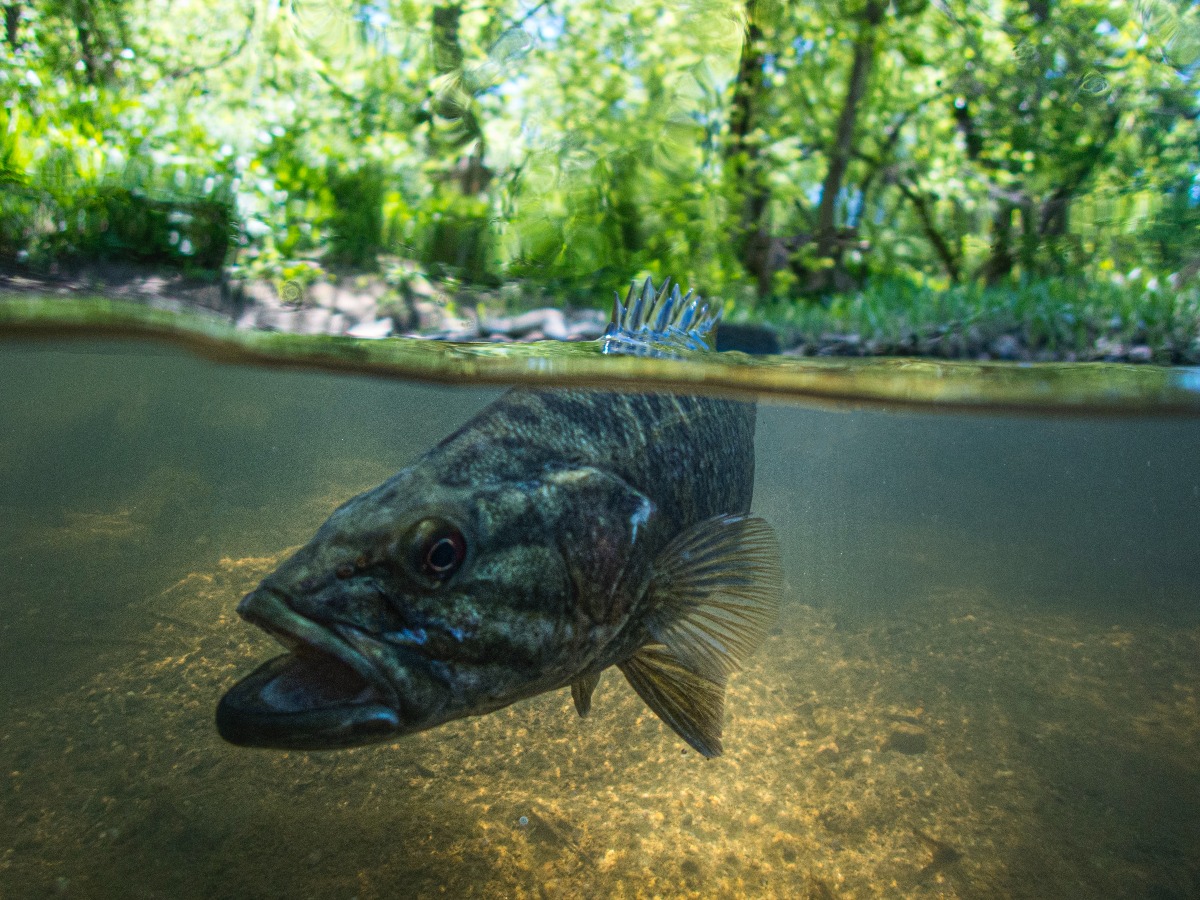
The Hiwassee River in southeastern Tennessee — flowing from Reliance through the Cherokee National Forest to its confluence with the Tennessee River at Benton — is one of the South’s most beautiful and productive smallmouth bass fly fisheries. The Hiwassee combines the character of a wild mountain river with the accessibility of a well-managed public water resource, offering miles of riffle-pool structure, bedrock ledges, and crystal-clear water that make it ideal for sight-fishing to individual bass. Fish in the 12–16 inch range are abundant, and the longer season — fishable from May well into October — makes this an exceptional destination.
Woolly Buggers in black or olive are the Hiwassee’s most consistent producers, fished on a slow swing through the deeper pools and along the ledge edges. Crawdad patterns come into their own from June through August when crayfish are most active — dead-drift a weighted pattern along the rocky bottom and strip it erratically as it swings. The Hiwassee’s Cherokee National Forest setting means most of the river is accessible by road, with multiple river access points from the US-411 corridor.
Pro Tip: The Hiwassee River’s wade fishing from the Reliance bridge area downstream is exceptional — the broad, shallow riffle sections allow easy wading access to the full width of the river. Focus on the transitions between the fast riffle water and the deep pool sections, where smallmouth stack up in late summer to intercept forage moving downstream in the current. Early morning mist on the Hiwassee’s mountain setting creates one of fly fishing’s most memorable atmospheres.
River #3
Best SeasonJune – Sept
Top FliesPopper, Deceiver
Leader / Tippet8–10 lb fluorocarbon
The Buffalo River in central Tennessee’s Heartland region flows through Wayne, Lewis, and Perry counties before joining the Duck River — a clear, moderate-gradient stream with a devoted following among Tennessee smallmouth anglers. The Buffalo is a wade and float fishing river with a natural, pastoral character, offering gravel bars, rocky runs, and pools that hold good populations of smallmouth throughout the summer. Fish average 10–14 inches with occasional 16–18 inch fish in the better pools, and the Buffalo’s relatively low fishing pressure means bass are aggressive and responsive to well-presented flies.
Poppers are the Buffalo River’s signature fly in summer — the river’s many calm pool sections and tree-shaded banks create ideal evening topwater conditions from June through August. Cast a foam popper along the shoreline vegetation and let it sit before retrieving with short, sharp pops. Deceivers and larger streamers produce well during the daytime hours on the deeper runs. Use 8–10 lb fluorocarbon for the Buffalo’s clear, low-alkalinity water, which can make bass selective on pressured sections.
Pro Tip: The Buffalo River’s best smallmouth water lies in the lower section between Henryville and the Duck River confluence — this stretch has the most consistent riffle-pool structure and the densest fish populations. Float from Henryville downstream for an outstanding half-day float with multiple good runs and pools, and don’t miss the deep bend pools on the outside of the major river curves, which hold the largest fish in summer low water.
Tennessee Smallmouth Bass Fly Fishing — Frequently Asked Questions
What is the best time of year to fly fish for smallmouth bass in Tennessee?
The prime season for smallmouth bass fly fishing in Tennessee runs from May through September, with peak action typically in June through August when water temperatures reach the ideal 65–75°F range. The Elk River’s tailwater section is fishable earlier and later than the other rivers due to cold dam releases. The Hiwassee can fish exceptionally well into October, as cool mountain water extends the active feeding period into fall.
What flies work best for Tennessee smallmouth bass?
Clouser Minnows and crawdad patterns are the workhorses for Tennessee smallmouth, covering the most water and conditions year-round. Poppers deliver explosive surface strikes on warm evenings on the Buffalo and Hiwassee rivers. Woolly Buggers in black or olive produce well on the deeper pool sections of all three rivers. For a complete Tennessee smallmouth kit, carry Clouser Minnows in chartreuse/white (#2–6), a crawdad pattern, a Woolly Bugger, and a foam popper for evening action.
Do I need a fishing license to fly fish for smallmouth bass in Tennessee?
Yes. The Tennessee Wildlife Resources Agency requires a fishing license for all anglers 13 and older. Non-resident licenses are available in annual and short-term formats. Tennessee has a year-round season for smallmouth bass on most rivers with standard bag limits. Always verify current TWRA regulations for the specific river you plan to fish, as some tailwater sections near dam complexes may have special regulations.
What gear do I need for fly fishing Tennessee smallmouth bass rivers?
A 6-weight fly rod handles the majority of Tennessee smallmouth fishing situations, with enough backbone for poppers and larger streamers while still providing sport on typical 1–2 lb fish. Use 8 lb fluorocarbon tippet for most situations — Tennessee’s clear rivers benefit from fluorocarbon’s low visibility. A weight-forward floating line covers most water; a sink-tip is useful on the Elk River’s deeper tailwater runs. Wading boots with felt or rubber studs are essential on the slippery bedrock sections of the Hiwassee.