North Carolina Fly Fishing

Best Smallmouth Bass Rivers in North Carolina for Fly Fishing

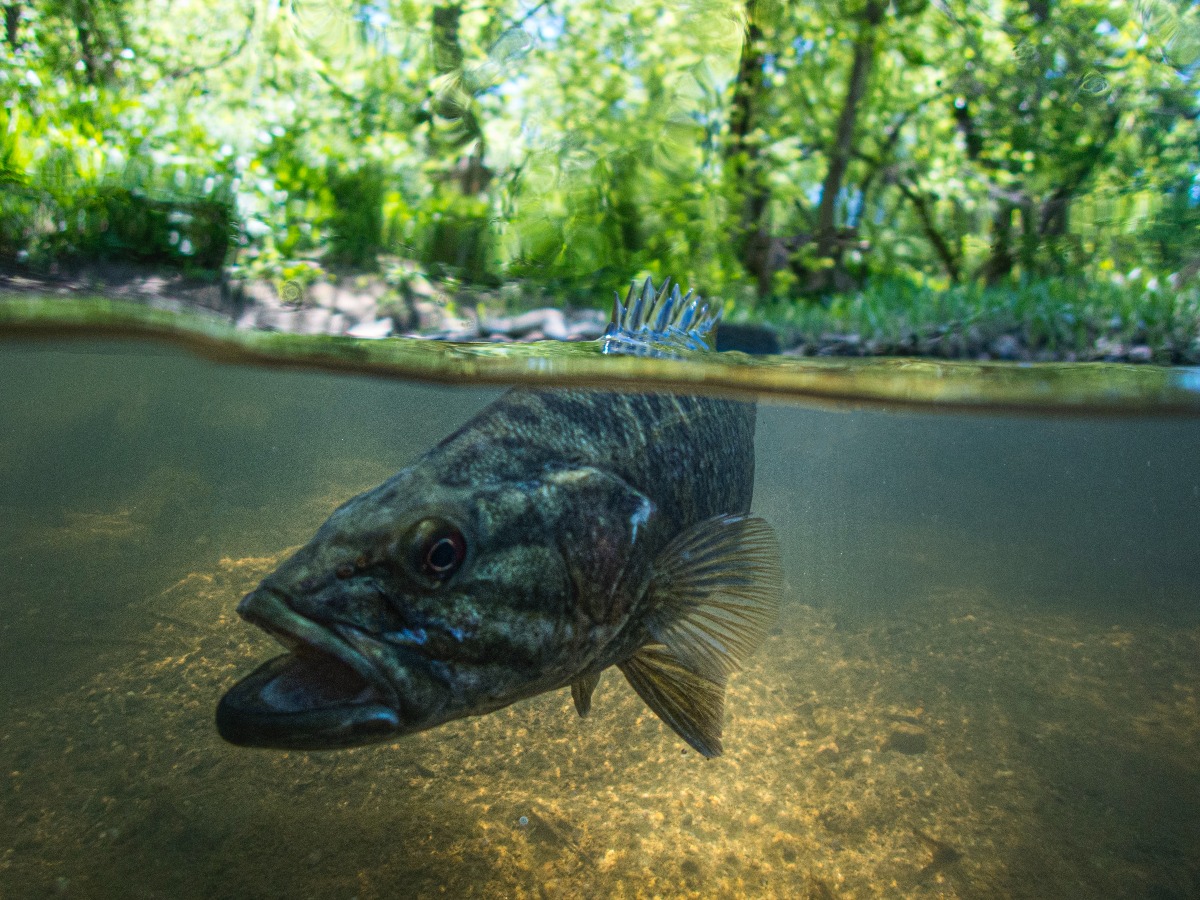
North Carolina’s western mountain rivers — the Pigeon, Tuckasegee, and French Broad — run warm and clear through the Appalachians, holding strong populations of smallmouth bass ready to eat streamers and poppers all season.

Find Access & Live Flows →

North Carolina’s western Appalachian rivers offer one of the most extended and scenic smallmouth bass fly fishing seasons in the eastern United States. The Pigeon River, Tuckasegee, and French Broad all share the character of mountain warmwater rivers — clear, rocky, and tumbling through dramatic gorge and valley terrain that makes every fishing day visually memorable. The season runs from May through October, with the longest productive windows of any eastern state for smallmouth bass.

What sets North Carolina’s mountain smallmouth rivers apart is their combination of trout-stream clarity with warmwater fish character — the clear water and rocky substrate mean careful presentations reward careful anglers, while the bass themselves are aggressive and willing to take a well-placed streamer or popper. Crayfish patterns and Clouser Minnows are the workhorses across all three rivers. A 6-weight rod handles the Pigeon and Tuckasegee; step up to a 7-weight for the French Broad’s bigger water.

Fly fishing for smallmouth bass in North Carolina

The Best North Carolina Rivers for Smallmouth Bass on the Fly

Ranked by fly fishing character, access, and seasonal opportunity.

River #1

Pigeon River

Best SeasonMay – Oct
Top FliesClouser Minnow, Woolly Bugger
Leader / Tippet8 lb fluorocarbon

The Pigeon River flows from the high Smokies through Waynesville and Canton before joining the French Broad at Newport, Tennessee. The North Carolina section from Waynesville downstream through Canton and Hartford offers excellent smallmouth bass fly fishing in a scenic Appalachian Mountain corridor. The Pigeon’s improved water quality since the 1990s has transformed it into a strong smallmouth fishery, with populations growing substantially in the lower river’s rocky runs and pool sections. Fish average 11–14 inches with larger individuals present in the deeper pools and ledge sections.

Clouser Minnows and Woolly Buggers are the Pigeon River’s most consistent producers throughout the long season from May through October. The river’s rocky substrate supports good crayfish populations — crawdad patterns dead-drifted along the bottom produce well from June through August. Woolly Buggers in olive or black cover the deeper pool sections where bass hold during midday. The Pigeon is primarily a wade fishing river with good road access along the Highway 19 and I-40 corridor through Haywood County.

Pro Tip: The Pigeon River’s most consistent smallmouth water lies in the Hartford, Tennessee section just across the state line — but the North Carolina sections from Canton downstream offer increasingly productive fishing as the river gains volume and character. Focus on the deep pool sections below the highway bridges where the current has scoured into bedrock ledge habitat — these are the most reliable holding spots for the river’s larger bass throughout the summer season.
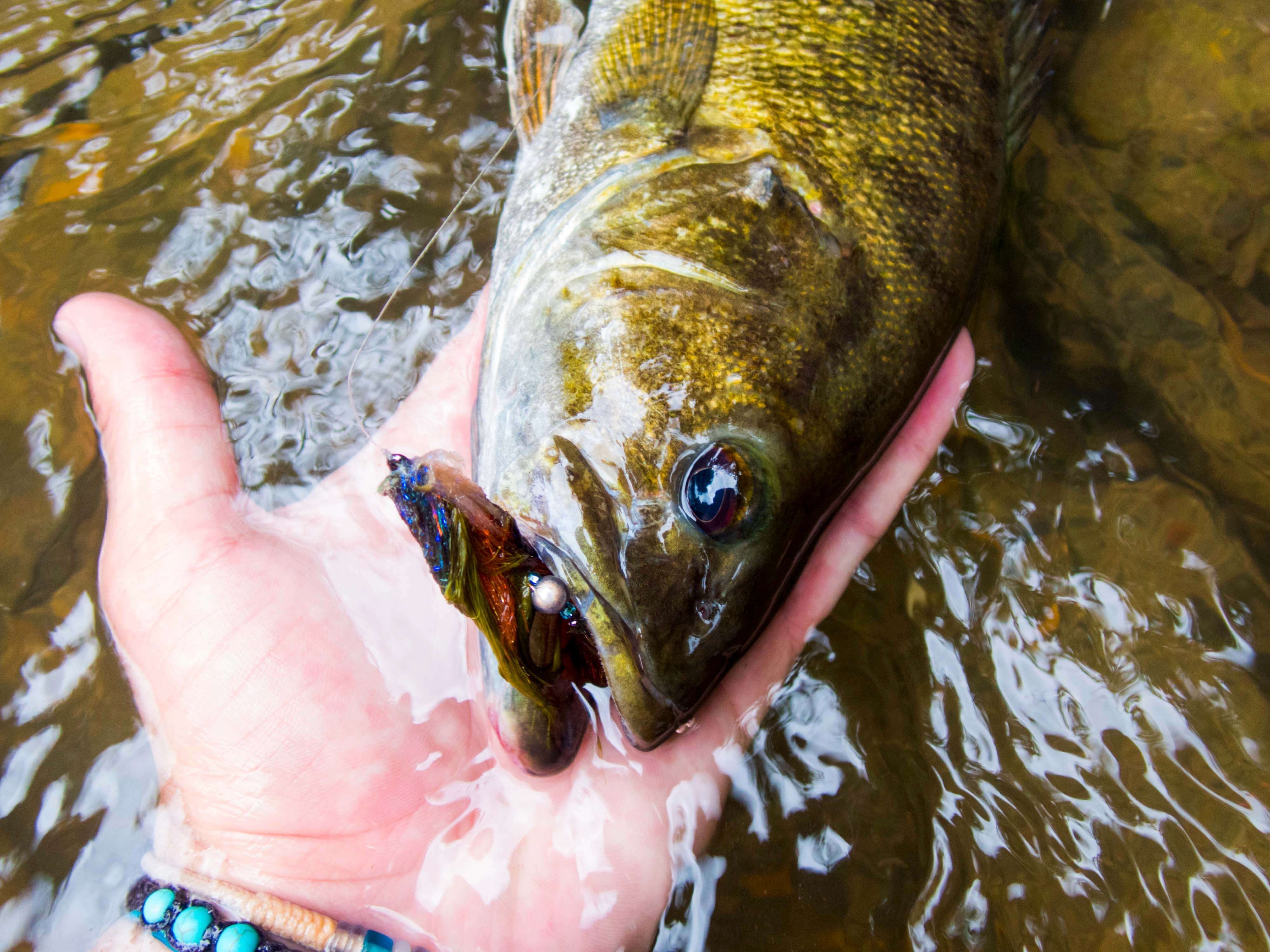
Smallmouth bass fly fishing North Carolina rivers
River #2

Tuckasegee River

Best SeasonMay – Oct
Top FliesCrayfish Pattern, Deceiver
Leader / Tippet8 lb fluorocarbon

The Tuckasegee River flows through Jackson County’s Tuckasegee Valley, passing through Dillsboro and Sylva before joining the Little Tennessee River near Bryson City. The Tuckasegee is one of western North Carolina’s finest smallmouth bass rivers — a clear, medium-sized stream with a rocky bedrock channel, gentle gradient, and strong bass populations throughout its main stem. The section from Dillsboro downstream through Sylva and Bryson City offers the best combination of fish density, access, and river character. Fish average 12–15 inches, and the Tuckasegee’s clear water means bass can be sight-fished on the shallower gravel bars.

Crayfish patterns are the Tuckasegee’s most effective flies from June through August when the river’s crayfish population is most active and smallmouth key heavily on them. Dead-drift a weighted crayfish pattern along the rocky bottom of the runs and pools, then strip it erratically as it swings. Deceivers and larger streamers work well in the deeper, faster sections around the bridge pools. The Tuckasegee is an excellent wade fishing river — clear water, stable footing on bedrock, and numerous roadside access points make it the most accessible of western North Carolina’s smallmouth rivers.

Pro Tip: The Tuckasegee River’s bedrock shelf sections — where the river flows across broad, flat rock formations — are the most productive summer smallmouth habitat. Bass spread across these shallow rock flats in the early morning to feed on crayfish emerging from the cracks and crevices, and can be sight-fished with crayfish patterns on long leaders at first light. By 9 AM, fish retreat to the adjacent deeper water — follow them down with a weighted Clouser Minnow into the pool sections.
River #3

French Broad River

Best SeasonMay – Oct
Top FliesStreamer, Popper
Leader / Tippet1X–2X tippet

The French Broad River is one of the largest rivers in western North Carolina, flowing north from Rosman through Brevard, Asheville, and Hot Springs before crossing into Tennessee. The North Carolina stretch from Asheville through Hot Springs offers outstanding big-river smallmouth bass fly fishing in a dramatic Appalachian gorge setting. The French Broad’s size, powerful current, and rocky ledge structure create exceptional habitat for large smallmouth — fish averaging 14–18 inches are realistic targets in the better sections, and the river produces genuine trophy bass over 20 inches.

Streamers and poppers are the French Broad’s most effective fly patterns — large articulated streamers produce the biggest fish in the deeper, faster current seams, while poppers deliver spectacular surface strikes on summer evenings in the calmer pool sections. The river’s size demands a boat for efficient access to the best water — canoe and kayak floats from Barnard to Hot Springs and from Hot Springs to the Tennessee line cover the most productive North Carolina smallmouth water. Use 1X–2X tippet for the French Broad’s larger-than-average fish.

Pro Tip: The French Broad River’s Appalachian gorge section from Hot Springs downstream to the Tennessee line is the most remote and least-pressured stretch in North Carolina. The river pushes through a dramatic gorge with rocky walls, powerful current, and a wild character that rewards anglers willing to make the effort. Float this section in a canoe or raft and target the deep pool sections below the gorge’s ledge drops with large streamers — these pools hold the river’s largest smallmouth and are rarely visited by fly anglers.

Find Public Access on These Rivers

FlyFishFinder maps 37,000+ boat ramps and put-ins with public access boundaries and real-time USGS flows — so you know exactly where to launch and when conditions are right.

Open FlyFishFinder Free →

North Carolina Smallmouth Bass Fly Fishing — Frequently Asked Questions

What is the best time of year to fly fish for smallmouth bass in North Carolina?

The prime season for smallmouth bass fly fishing in North Carolina runs from May through October, with the longest and most consistent season of any state in the eastern U.S. Peak action typically occurs in June through August when water temperatures reach the 65–75°F range. Western North Carolina’s mountain rivers fish later into the fall than their elevation might suggest — September and October can be exceptional as cooling water triggers pre-winter feeding.

What flies work best for North Carolina smallmouth bass?

Clouser Minnows and crayfish patterns are the most consistent producers for North Carolina smallmouth across all three rivers. Poppers deliver explosive surface strikes on warm evenings on the French Broad and Tuckasegee. Woolly Buggers in black or olive produce well on the Pigeon’s deeper sections. Carry Clouser Minnows in chartreuse/white and olive/white (#2–6), a crayfish pattern, a Woolly Bugger, and a foam popper for a complete North Carolina mountain smallmouth kit.

Do I need a fishing license to fly fish for smallmouth bass in North Carolina?

Yes. North Carolina Wildlife Resources Commission requires a fishing license for all anglers 16 and older. Non-resident licenses are available in annual and short-term formats. North Carolina has a year-round open season for smallmouth bass on most rivers with standard bag and size limits. Some sections of western North Carolina rivers near national park or tribal boundaries may have special regulations — verify current NCWRC regulations before fishing.

What gear do I need for fly fishing North Carolina smallmouth bass rivers?

A 6-weight fly rod handles the Pigeon and Tuckasegee effectively. The French Broad warrants a 7-weight for its bigger water, larger flies, and trophy fish potential. Use 8 lb fluorocarbon tippet for the smaller rivers — 1X–2X is appropriate for the French Broad. A weight-forward floating line covers most North Carolina smallmouth water; a sink-tip adds capability on the French Broad’s deeper gorge pools. Wading footwear with good traction is essential on the Tuckasegee’s slippery bedrock shelves.

FlyFishFinder App

See Prime Waters Near You
Before You Drive

Real-time river flows, alerts to your phone when rivers turn prime, and the most detailed fly fishing maps on the market — for every major North Carolina river.

Start Free Trial →

Free Trial · Cancel Anytime

FlyFishFinder app — North Carolina fly fishing