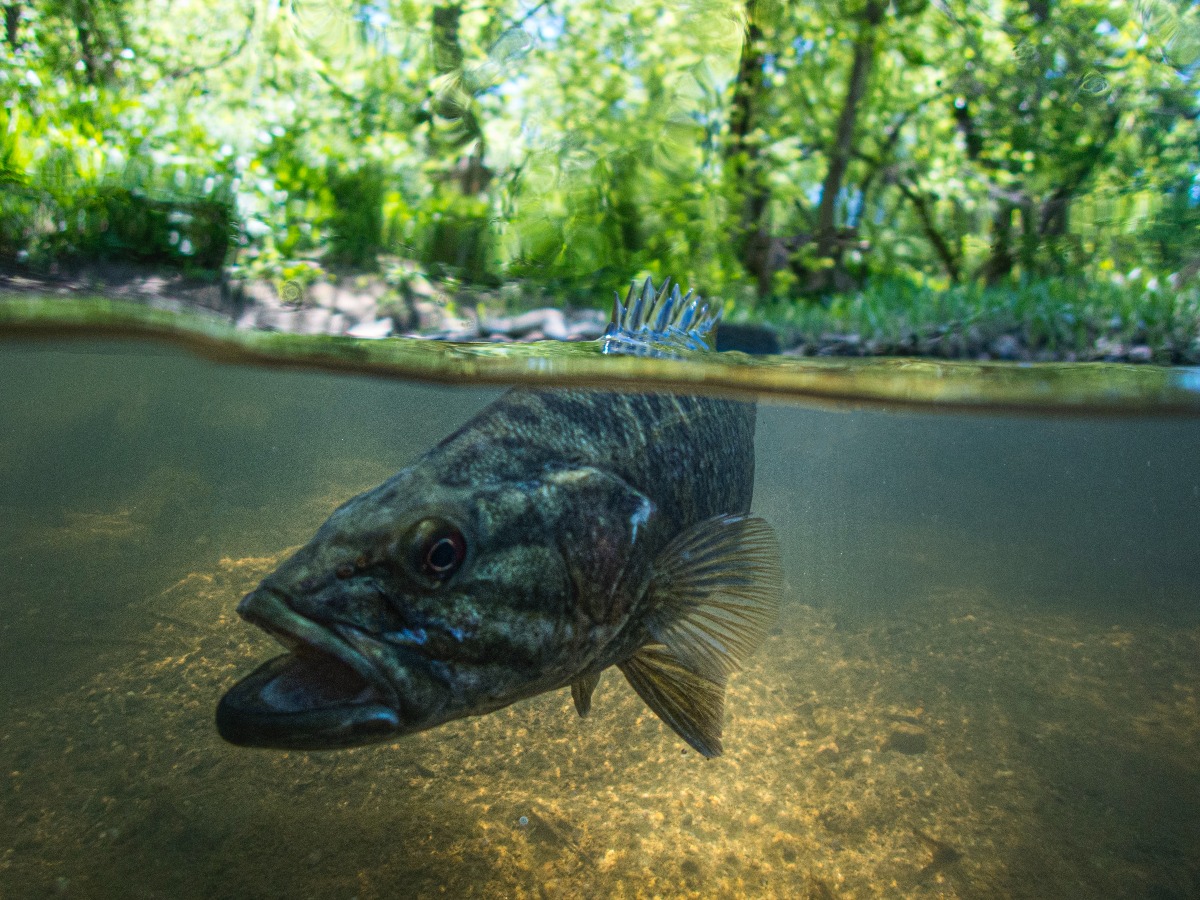
Pennsylvania is home to some of the finest smallmouth bass rivers on the East Coast, anchored by the Susquehanna — arguably the most productive river-miles of smallmouth habitat in the entire country. The North Branch and West Branch Susquehanna converge at Sunbury and flow south through Harrisburg to the Chesapeake, creating hundreds of miles of prime riffle-and-pool water with exceptional fish densities. The Delaware River along Pennsylvania's eastern border offers a completely different character — big, clear water through scenic river gorges with a mix of wild and stocked water that holds outstanding smallmouth populations. The Juniata, the Susquehanna's largest tributary, completes the picture with intimate limestone-influenced water and some of the clearest conditions in the state.
Pennsylvania smallmouth fishing peaks in June through September, with the post-spawn period in late June producing the most aggressive fish. Crayfish patterns and Clouser Minnows are the foundation of any Pennsylvania smallmouth box, but poppers deserve serious attention on all three rivers during summer evenings. A 6-weight rod handles the Juniata and Delaware comfortably; bring a 7-weight for the Susquehanna's bigger water and heavier streamers. The state's extensive public fishing access program — blue-blazed PFBC access sites — makes much of Pennsylvania's smallmouth water approachable without a boat.
Ranked by fly fishing character, access, and seasonal opportunity.
River #1
Best SeasonJune – Sept
Top FliesClouser Minnow, Popper
Leader / Tippet1X tippet
The Susquehanna River is the crown jewel of Pennsylvania smallmouth bass fishing — a massive, braided river with island-studded channels, rocky shoals, and gravel flats that create an almost incomprehensible amount of smallmouth habitat. The lower Susquehanna from Harrisburg downstream through York and Lancaster counties is legendary among warmwater fly anglers, regularly producing double-digit catch days and fish in the 16–20 inch range. The river's clean, rocky substrate supports extraordinary crayfish and aquatic insect populations that fuel exceptional fish growth rates.
Clouser Minnows are the Susquehanna's most reliable fly — heavier versions that sink quickly in the powerful currents are essential for reaching fish in the deeper channel edges and below the rocky points. Popper fishing is exceptional on the Susquehanna's long, flat pool sections in the evening hours, with large deer hair bugs producing savage strikes from fish that are otherwise feeding subsurface. The best access is via boat; multiple PFBC launches between Harrisburg and the Maryland line serve as put-in points for float trips.
The Susquehanna wades well in lower summer flows when the main channel drops to accessible depths. The extensive gravel shoals between the river's islands are prime wading terrain, with fish stacked along the current breaks at the heads and tails of pools. Exercise caution — the Susquehanna's wide, braided character can be disorienting, and water levels can change quickly with upstream releases.
Pro Tip: The Susquehanna's best smallmouth water is often the secondary channels between the main shore and the mid-river islands — these narrower, faster channels concentrate crayfish and baitfish and hold fish at higher densities than the main river. Wade or float the island channel system for the most productive fishing.
River #2
Best SeasonMay – Oct
Top FliesDeceiver, Woolly Bugger
Leader / Tippet1X–2X tippet
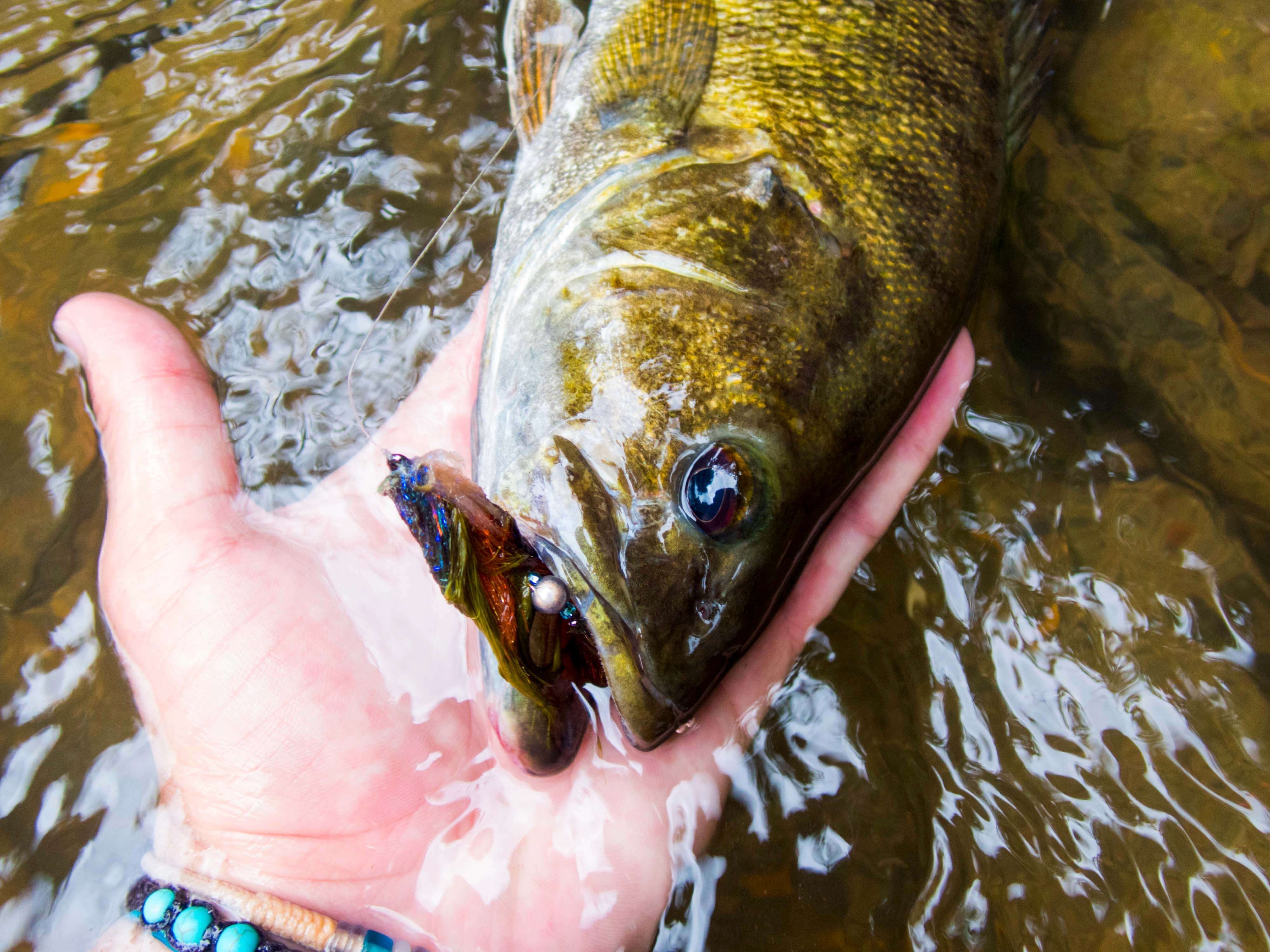
The Delaware River forms Pennsylvania's eastern border and offers a remarkably diverse smallmouth fishery — from the wild upper Delaware above Port Jervis, where clear water and strong currents hold excellent populations of fish, to the broader lower Delaware near the Delaware Water Gap with its scenic river gorge setting. The upper Delaware is particularly notable as a fly fishing destination, with large smallmouth in the 16–20 inch range regularly taken on streamers and poppers in the wide pools and rocky runs.
Deceivers and larger streamers are the Delaware's most productive patterns for targeting the bigger fish that hold in the deep pools and along the bedrock ledges. Woolly Buggers in black or brown produce well in the morning hours on the upper river. The Delaware's extended season runs from May through October — the river's size and consistent flows keep conditions fishable long after smaller rivers slow down. Canoe and kayak access is excellent on the upper Delaware, with multiple outfitters providing shuttle service through the scenic gorge sections.
Pro Tip: On the Delaware's upper section, the pools below major rapids hold the largest concentrations of trophy smallmouth. Position yourself at the tail of these pools and work a large Deceiver or streamer across and downstream — the fish are stationed along the current seams at the pool's edge, waiting for food delivered by the current from upstream.