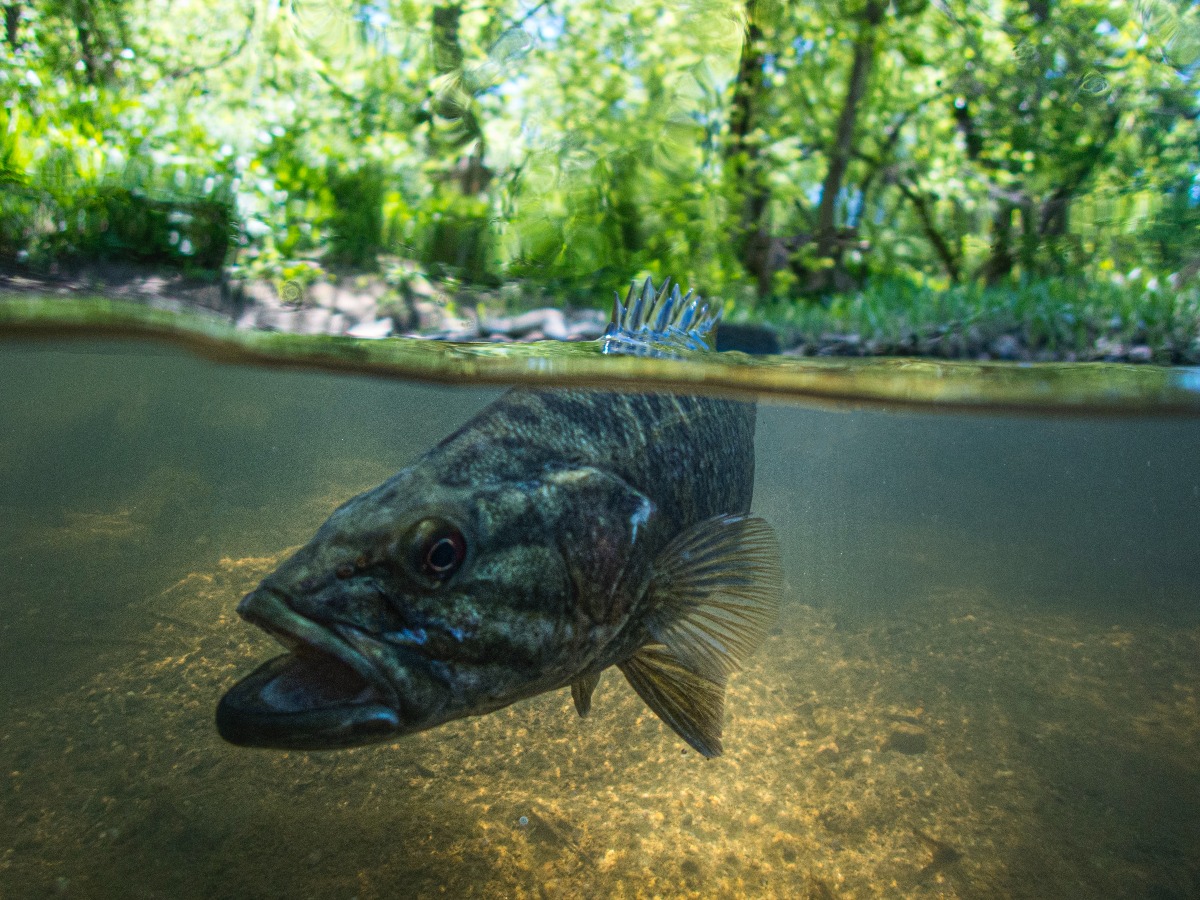
Maryland’s position in the mid-Atlantic gives its smallmouth rivers one of the longest productive seasons on the East Coast — the Potomac River is fishable from late April through October, and even the smaller Monocacy and Antietam Creek offer a five-month productive window from May through September. The Potomac River’s Maryland stretch is nationally recognized as a premier big-river smallmouth fishery, with trophy fish potential that rivals the best rivers in the country. The Monocacy and Antietam provide more accessible, wade-friendly alternatives for anglers without boat access.
Maryland’s best smallmouth rivers share a reliance on crayfish-imitating patterns and streamer fishing near rocky structure. The Potomac’s extensive ledge formations are the defining feature — large Deceivers and Clouser Minnows worked through the downstream current breaks of these ledges produce the river’s biggest fish. Smaller rivers like the Monocacy and Antietam are classic wade-fishing streams that respond to careful presentations with crayfish patterns and smaller Clouser Minnows. A 6-weight rod handles the tributary rivers; step up to a 7-weight for the Potomac.
Ranked by fly fishing character, access, and seasonal opportunity.
River #1
Best SeasonMay – Sept
Top FliesClouser Minnow, Popper
Leader / Tippet8 lb fluorocarbon
The Monocacy River is a major tributary of the Potomac, flowing south from Pennsylvania through Frederick and into the Potomac at Point of Rocks. The Maryland section from Thurmont downstream through Frederick and Buckeystown is the heart of the state’s Monocacy smallmouth fishery — a moderately sized river with limestone-filtered water, rocky runs, gravel bars, and the classic riffle-pool structure that smallmouth bass prefer. Fish average 11–14 inches, with larger individuals common in the deeper pool sections below Frederick.
Clouser Minnows in chartreuse/white are the Monocacy’s most consistent producers — work them through the current seams and along the rocky ledge edges that punctuate the lower river. Poppers produce well on the calmer pool sections during the early morning and evening low-light periods. The Monocacy is a good wade fishing river at normal summer flows, with access from multiple parking areas at the river bridges along Routes 15 and 28 through Frederick County. The river also offers float fishing from a canoe or kayak for those wanting to cover more water.
Pro Tip: The Monocacy River’s best smallmouth water lies in the 15-mile section from Jefferson to its Potomac confluence. This lower reach has the most defined riffle-pool structure and the highest fish density. Access the river from the USGS gauge access near Point of Rocks and wade upstream, targeting the long pool sections that form on the outside bends. The Monocacy’s limestone-influenced water maintains its clarity better than many Piedmont rivers, making it one of Maryland’s most reliable summer smallmouth destinations.
River #2
Best SeasonMay – Oct
Top FliesDeceiver, Woolly Bugger
Leader / Tippet1X–2X tippet
The Potomac River through western Maryland — particularly the C&O Canal section from Cumberland to Washington and the famous Chesapeake & Ohio Canal towpath access — is one of the mid-Atlantic’s premier big-river smallmouth bass fisheries. The Potomac holds exceptional smallmouth populations throughout its Maryland length, with the upper river above Harper’s Ferry offering rocky, swift water and the middle river through Montgomery and Frederick counties providing a mix of ledge structure, long pools, and excellent bass habitat. Fish averaging 14–18 inches are realistic targets, and the Potomac produces trophy smallmouth pushing 5 lbs.
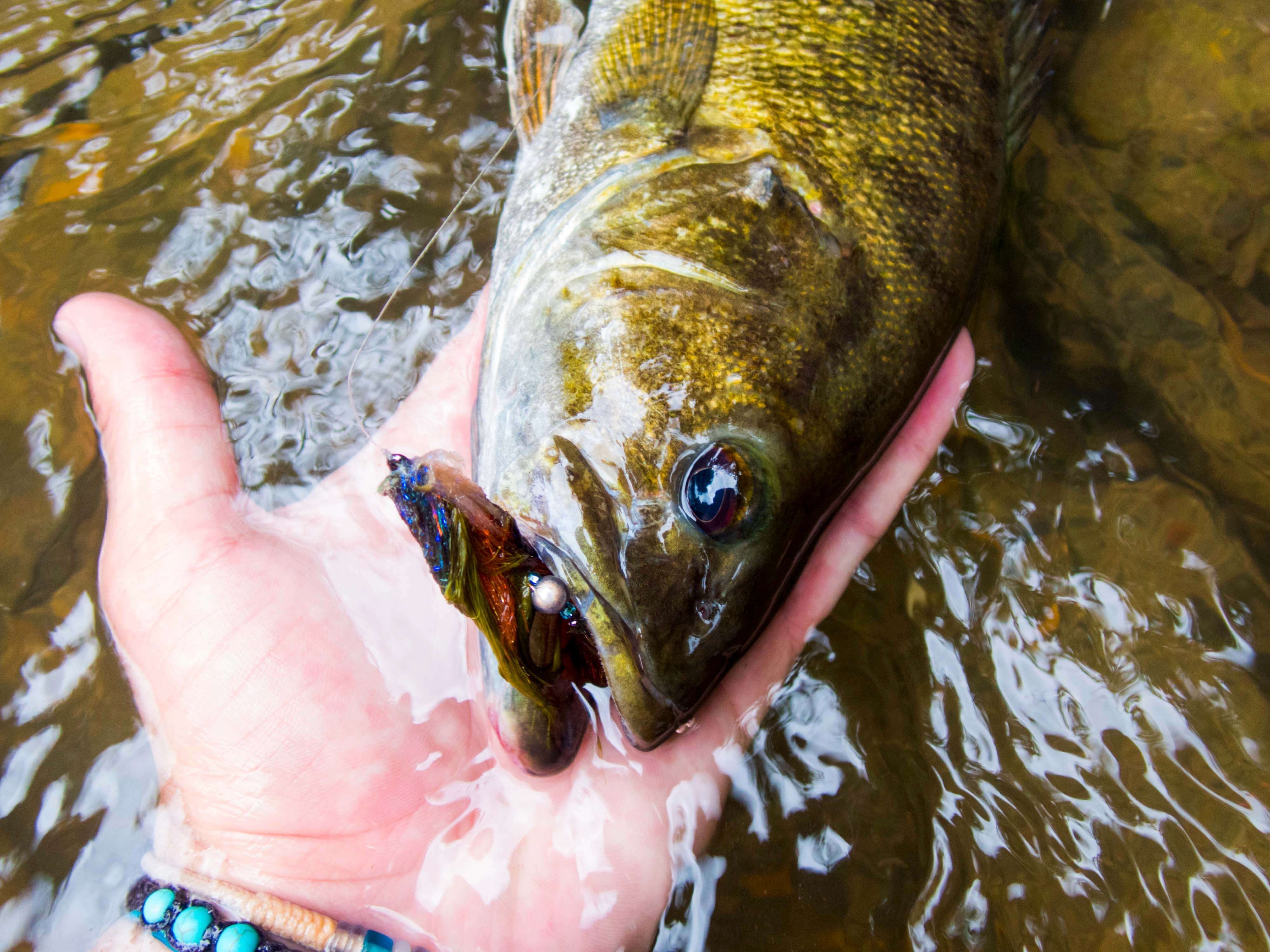
Deceivers and Woolly Buggers are the Potomac’s most effective fly patterns for Maryland smallmouth — large Deceivers worked through the current seams below the river’s extensive ledge formations produce the biggest fish, while Woolly Buggers in black or olive cover the deeper pool sections. The Potomac is primarily a float-fishing river at most levels, with numerous launch points along the C&O Canal towpath providing canoe and kayak access. Use 1X–2X tippet — the Potomac’s fish are large and its rocky substrate abrasive.
Pro Tip: The Potomac River’s most celebrated smallmouth water lies in the section from Oldtown to Hancock in western Maryland’s Allegany County — a relatively remote stretch with excellent ledge structure, minimal boat traffic, and fish populations that see less pressure than the more accessible sections downstream. Float the Paw Paw Bends section for one of the eastern U.S.’s most scenic and productive smallmouth bass floats, targeting the extensive limestone ledge formations with large Deceivers stripped through the downstream current seams.