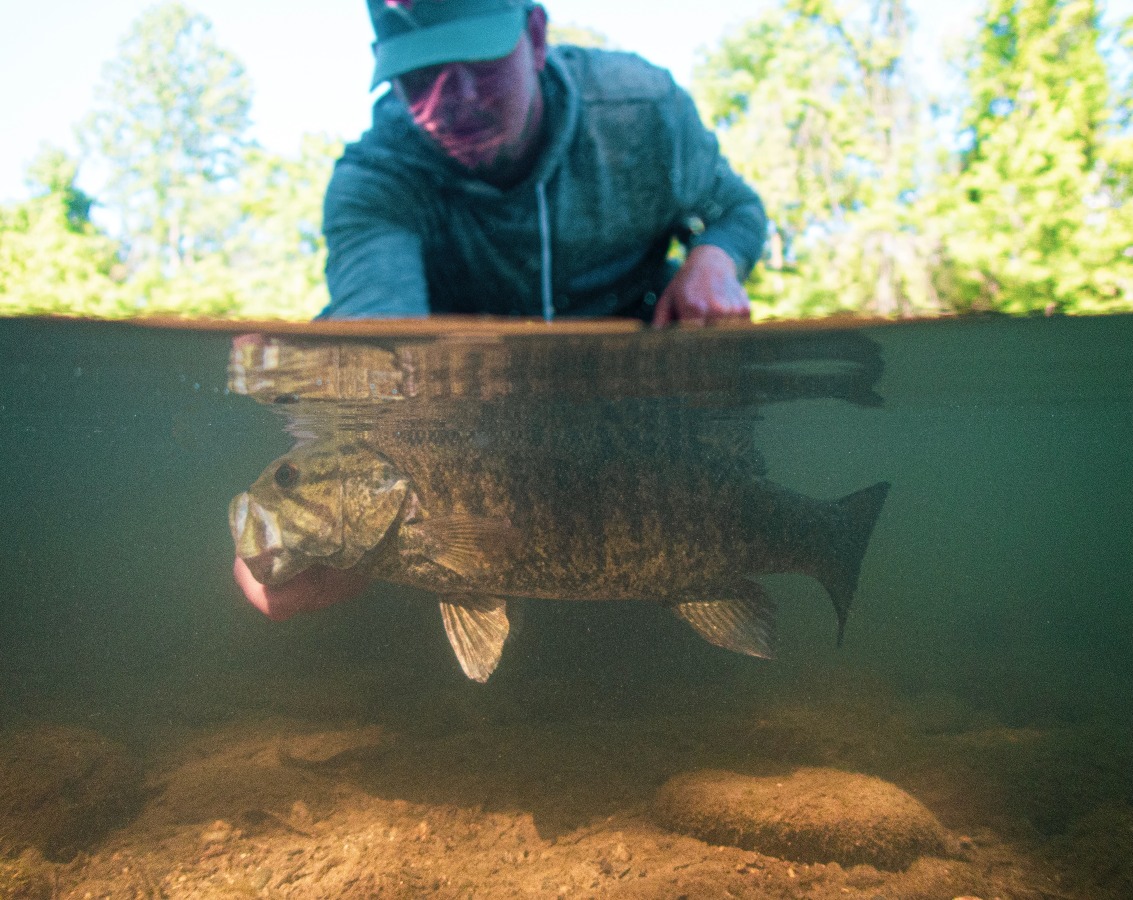
New Hampshire’s smallmouth bass fly fishing spans three distinct river systems that offer very different experiences: the big, cold Connecticut River border water that rivals any New England fishery, the urban Merrimack corridor with its dam tailwaters and surprising bass populations, and the scenic Saco with its White Mountain backdrop and summer-only window. Together they provide accessible, quality fly fishing for smallmouth throughout the state’s warm season.
The common thread is that all three rivers fish best in June and July — post-spawn bass are aggressive, water temperatures are in the productive 65–75°F range, and flows are typically sufficient to keep fish comfortable and feeding. Crayfish patterns and Clouser Minnows are the most reliable producers, with poppers adding excitement during the evening low-light periods on the calmer pool sections. A 6-weight rod with 8 lb fluorocarbon handles most New Hampshire smallmouth situations.
Ranked by fly fishing character, access, and seasonal opportunity.
River #1
Best SeasonJune – Sept
Top FliesClouser Minnow, Deceiver
Leader / Tippet1X tippet
The Connecticut River forms New Hampshire’s western border with Vermont and provides the state’s most productive and extensive smallmouth bass fly fishing. The New Hampshire stretch from the Vermont line at Pittsburg south through Colebrook, Lancaster, Littleton, Woodsville, and Hanover holds consistent smallmouth populations in big-river water with ledge outcroppings, gravel bars, and deep pool sections. Fish average 12–16 inches with larger individuals common in the ledge pools, and the Connecticut’s clear, cold Connecticut Lakes-sourced water produces well-conditioned, fast-fighting bass.
Clouser Minnows and Deceivers are the Connecticut’s most productive fly choices for New Hampshire smallmouth — work Clousers through the current seams below the river’s granite ledge formations and along the gravel bar edges. Larger Deceivers and articulated streamers produce the bigger fish in the deeper, faster sections. The Connecticut is best fished by canoe or kayak, with numerous Connecticut River Byway access points along both the New Hampshire and Vermont banks providing float opportunities from a few hours to multiple days.
Pro Tip: The Connecticut River’s New Hampshire stretch is fishable from Pittsburg south, but the prime smallmouth water concentrates in the lower two-thirds of the state from Lancaster to Hanover. The Woodsville-Lisbon section offers excellent riffle-pool structure with good wade access at normal flows, and the confluence with the Ammonoosuc River near Lisbon creates productive mixed-current smallmouth habitat. Target the downstream faces of the river’s ledge outcroppings for the largest fish.
River #2
Best SeasonJune – Sept
Top FliesWoolly Bugger, Popper
Leader / Tippet8–10 lb fluorocarbon
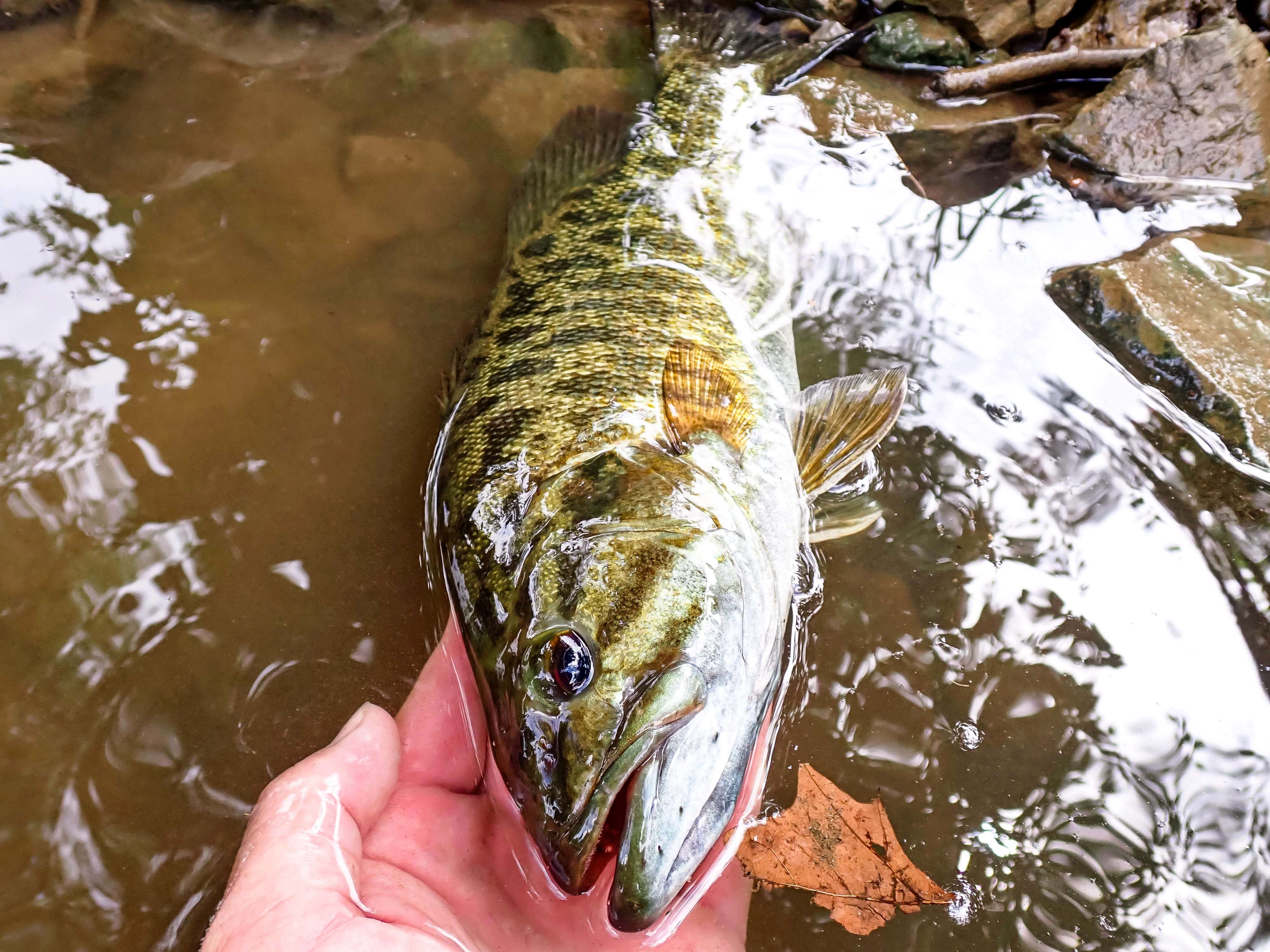
The Merrimack River flows from Franklin through Concord, Manchester, and Nashua before crossing into Massachusetts — New Hampshire’s most populated and accessible river corridor. Despite its urban setting, the Merrimack holds surprisingly good smallmouth bass populations throughout its New Hampshire length, particularly in the rocky sections between the dams that create pools and current structure below each impoundment. The Merrimack’s tailwater sections below Franklin Falls Dam and Ayers Island Dam are the most productive fly fishing stretches.
Woolly Buggers and poppers cover most Merrimack smallmouth situations. Below each dam tailwater, Woolly Buggers stripped through the churned, oxygenated water produce aggressive strikes from bass holding in the current breaks. Poppers work well on the calmer pool sections between the faster tailwater stretches, especially in the evening hours when bass move out of their daytime lies. The Merrimack is primarily a float-fishing river — canoe and kayak launches exist at multiple points along Route 3 and Route 3A through Belknap and Merrimack counties.
Pro Tip: The Merrimack River’s best smallmouth fly fishing occurs in the sections immediately below dam tailwaters, where churned water creates oxygenated, food-rich habitat that concentrates bass. The Franklin Falls Dam tailwater is particularly productive — launch at the Lockes Hill access and fish downstream through the first mile of fast water, targeting the current seams and eddies that form around the large boulders dropped by spring floods over the years.