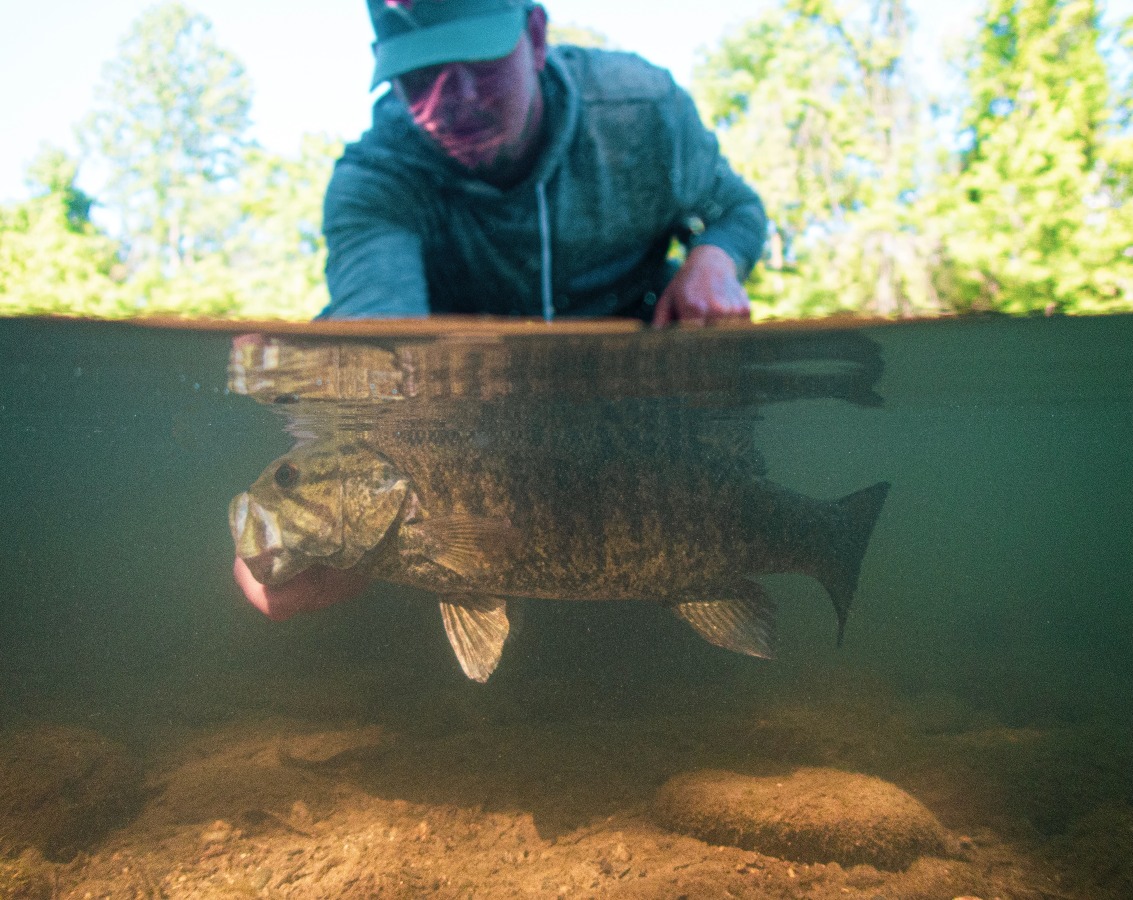
Massachusetts rarely makes fly anglers’ top smallmouth destinations lists, but the Pioneer Valley’s Connecticut River and its tributary rivers — the Deerfield and Millers — offer accessible and rewarding fly fishing for smallmouth bass within driving distance of Boston, Springfield, and Hartford. The Connecticut’s Massachusetts reach is a legitimate big-river fishery with ledge structures, strong current, and a healthy smallmouth population. The Deerfield and Millers provide more intimate stream experiences with clear water and fish that require careful presentations.
The Massachusetts smallmouth season runs from June through September, with the peak window in late June and July. Crayfish patterns and Clouser Minnows are the workhorses across all three rivers, with poppers productive on summer evenings. A 6-weight rod with 8 lb fluorocarbon handles most situations; step up to a 7-weight for the Connecticut’s bigger water. All three rivers are accessible from the Pioneer Valley’s road network, making Massachusetts an underrated day-trip smallmouth destination.
Ranked by fly fishing character, access, and seasonal opportunity.
River #1
Best SeasonJune – Sept
Top FliesClouser Minnow, Deceiver
Leader / Tippet1X tippet
The Connecticut River’s Massachusetts stretch from the Vermont border south through Northfield, Greenfield, Deerfield, and Springfield provides the state’s most extensive and productive smallmouth bass fly fishing. The Pioneer Valley reach between Greenfield and Holyoke is particularly productive, offering rocky ledge formations, long pool sections, and current seams that hold strong smallmouth populations through the summer season. Fish average 12–15 inches with larger individuals common in the deeper ledge pools, and the Connecticut’s clean, cold northern water produces well-conditioned, aggressive bass.
Clouser Minnows in chartreuse/white are the most consistent producers on the Connecticut’s Massachusetts reach — work them through the current seams below the river’s ledge formations and along the gravel bars that line the main channel. Deceivers and articulated streamers produce the larger fish in the deeper pool sections. The Connecticut is best fished by canoe or kayak, with multiple launch points along Routes 5 and 10 through the Pioneer Valley providing good float access to the prime smallmouth water.
Pro Tip: The Connecticut River’s Pioneer Valley section between Greenfield and Northampton offers the highest density of productive smallmouth habitat in Massachusetts — rocky ledge outcroppings, gravel bars, and current diversity create ideal conditions. Float this section at dawn for the best surface fishing on poppers and deer hair bugs before the recreational traffic builds on summer weekends. Target the downstream faces of the river’s granite ledge formations for the largest resident fish.
River #2
Best SeasonJune – Aug
Top FliesWoolly Bugger, Crayfish
Leader / Tippet8 lb fluorocarbon
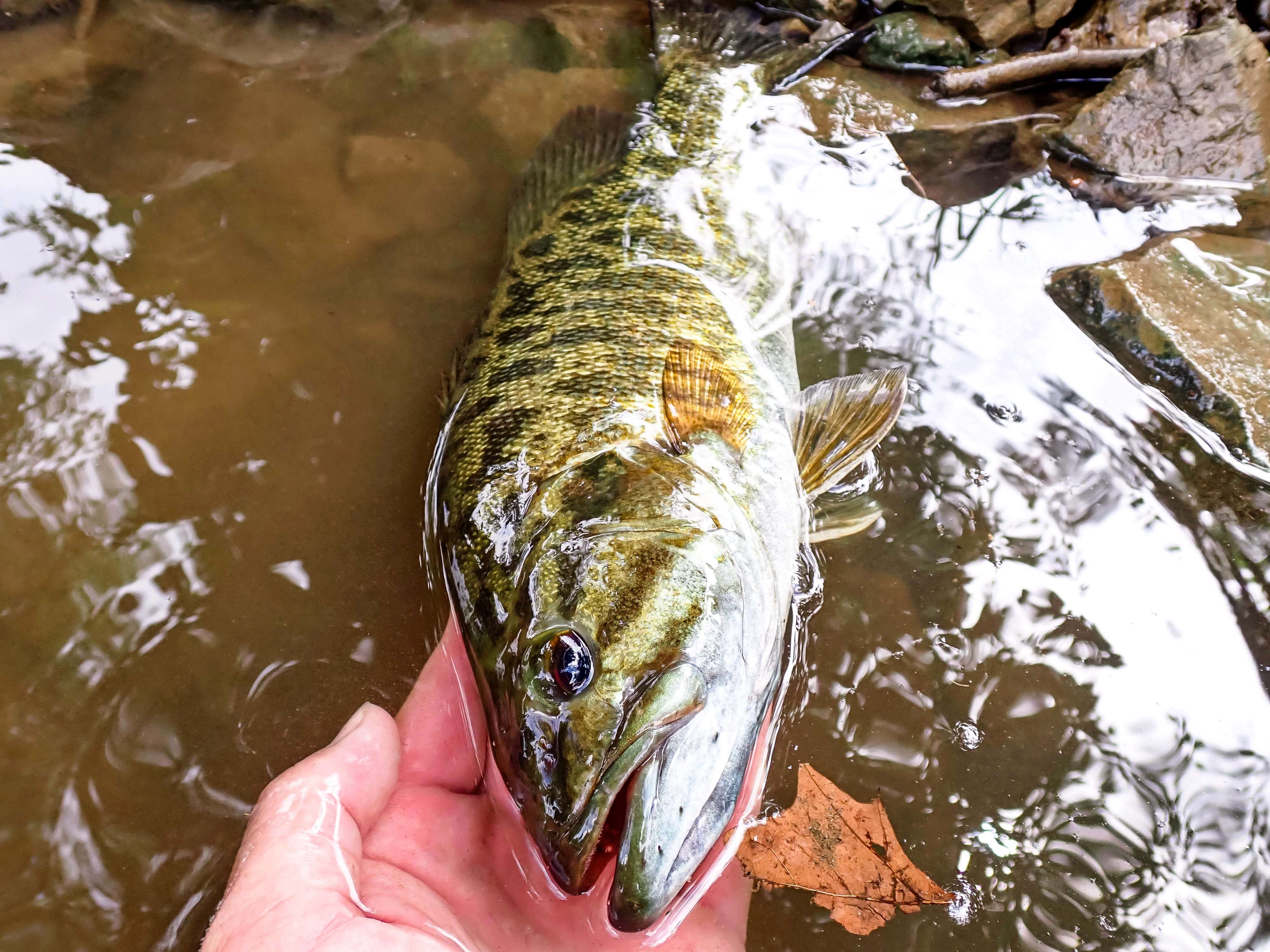
The Deerfield River flows from Vermont’s southern Green Mountains through Charlemont and Shelburne before joining the Connecticut River at Deerfield. The Deerfield is renowned among trout anglers for its tailwater fisheries, but the warmer, lower sections below the Fife Brook Dam near Charlemont also hold a solid population of smallmouth bass that respond well to streamer and crayfish patterns from June through August. The river’s clear, cool water and rocky structure create ideal conditions for bass that are more skittish and selective than typical warmwater fish.
Woolly Buggers and crayfish patterns are the Deerfield’s most reliable smallmouth producers — the river’s clean, rocky bottom supports excellent crayfish populations, and bass key on them throughout the summer months. Dead-drift a weighted crayfish pattern along the rocky bottom of the runs and pools, then strip it erratically as it swings. Woolly Buggers in olive or black work well stripped slowly through the deeper pool sections. The Deerfield’s clarity means longer leaders and more careful presentations than typical warmwater rivers.
Pro Tip: The Deerfield River smallmouth fishing begins below the Fife Brook Dam tailwater, where the transition from cold trout water to warmer bass habitat occurs through the Charlemont-Shelburne stretch. Wade the river from the Route 2 access points and focus on the deeper pool sections where the water has had enough distance from the dam to warm into the bass-preferred 65–70°F range. Early July through mid-August is the prime window when water temperatures are ideal and bass are actively feeding throughout the day.
River #3
Best SeasonJune – Aug
Top FliesPopper, Clouser Minnow
Leader / Tippet8 lb fluorocarbon
The Millers River flows from Lake Dennison through Athol, Orange, and Erving before joining the Connecticut River at Millers Falls. It’s an underrated smallmouth bass river — a moderately sized stream with rocky character, clear water, and consistent bass populations through its middle and lower reaches. The section from Athol downstream through Orange and Erving offers the best combination of riffle-pool structure, rocky substrate, and fish density. The Millers is primarily a wade fishing river, accessible from multiple roadside pull-offs along Route 2A.
Poppers earn their reputation on the Millers River — the river’s many calm pool sections and tree-shaded banks create excellent conditions for surface fishing in the evening hours from late June through August. Cast a foam popper along the shaded bank and let it sit briefly before retrieving with short, sharp pops. Clouser Minnows cover the daytime subsurface fishing on the riffles and current seams effectively. The Millers is compact enough that a fly angler can thoroughly work a productive section in a few hours, making it an ideal after-work destination for Pioneer Valley anglers.
Pro Tip: The Millers River’s best smallmouth water lies in the Erving State Forest section, where the river flows through rocky terrain with minimal development pressure. Access from the Erving State Forest parking areas and wade upstream from the Route 2A bridge, working the riffle-to-pool transitions systematically. The pool immediately above each riffle tail holds the most fish in summer low water — bass retreat to this slightly deeper, cooler water during midday and can be coaxed with a slow-stripped Clouser Minnow through the transition zone.
Massachusetts Smallmouth Bass Fly Fishing — Frequently Asked Questions
What is the best time of year to fly fish for smallmouth bass in Massachusetts?
The prime season for smallmouth bass fly fishing in Massachusetts runs from June through September on most rivers. The Connecticut River can fish well from late May through early October due to its large volume and northern water source. The Deerfield and Millers River smallmouth fishing peaks in late June and July before late-summer low water reduces activity. Post-spawn smallmouth in late June are the most aggressive and catchable fish of the year.
What flies work best for Massachusetts smallmouth bass?
Clouser Minnows and Deceivers are the most consistent producers for Massachusetts smallmouth on the Connecticut River. Crayfish patterns and Woolly Buggers work best on the Deerfield’s rocky, clear water. Poppers deliver exciting surface strikes on warm evenings on the Millers and Connecticut. Carry Clouser Minnows in chartreuse/white and olive/white (#2–6), a crayfish pattern, a Woolly Bugger, and a foam popper for a complete Massachusetts smallmouth kit.
Do I need a fishing license to fly fish for smallmouth bass in Massachusetts?
Yes. Massachusetts Division of Fisheries and Wildlife requires a fishing license for all anglers 15 and older. Non-resident licenses are available in annual and short-term formats. Massachusetts has a year-round open season for largemouth and smallmouth bass on most rivers with standard bag and size limits. Verify current MassFishHunt regulations before fishing, as some river sections may have special conservation regulations.
What gear do I need for fly fishing Massachusetts smallmouth bass rivers?
A 6-weight fly rod handles most Massachusetts smallmouth situations, though a 7-weight is more comfortable for the Connecticut River’s larger water and fish. Use 8 lb fluorocarbon tippet for the Deerfield and Millers — 1X is appropriate for the Connecticut. A weight-forward floating line covers most Massachusetts smallmouth water; a sink-tip adds capability on the Connecticut’s deeper ledge pools and the Deerfield’s deeper runs.