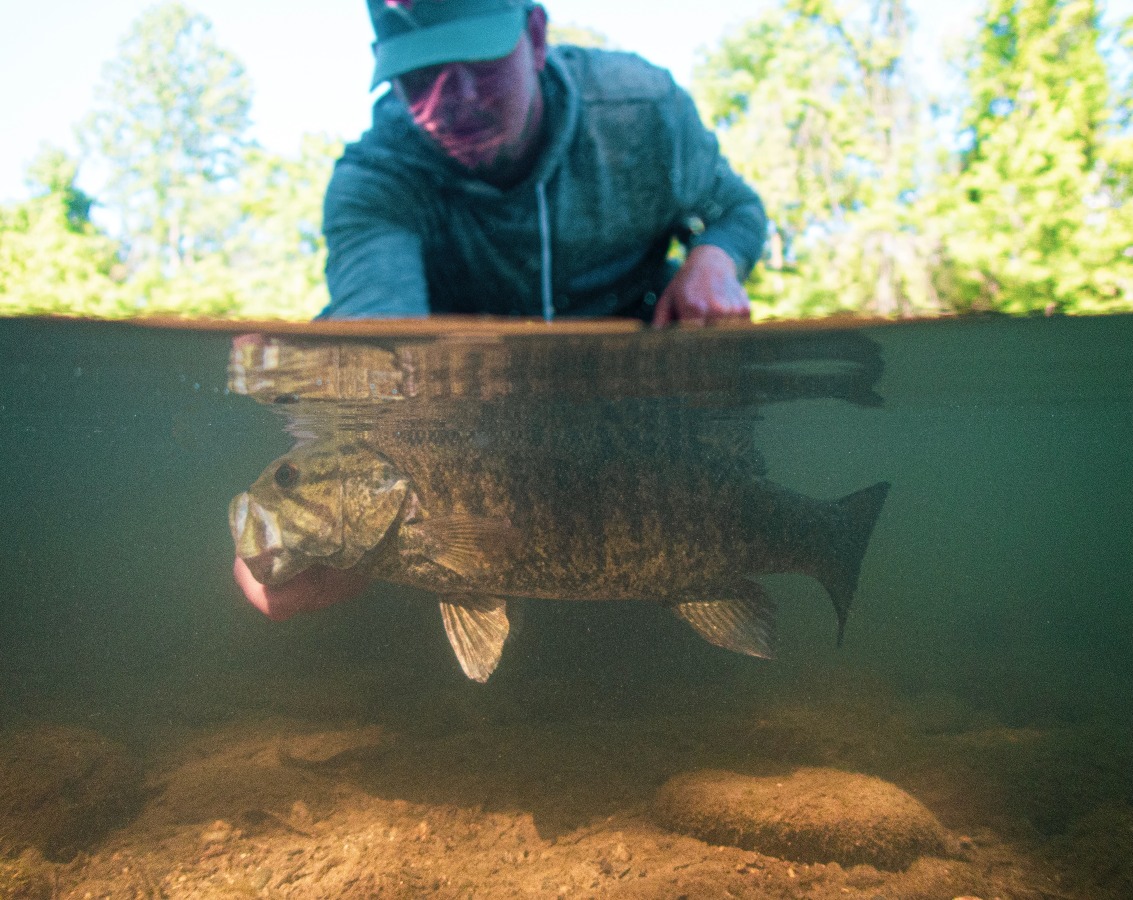
Minnesota is one of the upper Midwest's finest destinations for smallmouth bass on the fly, offering an impressive range of river characters — from the intimate, rocky Driftless-edge streams of the southeast to the broad, island-studded channels of the Mississippi River and the boulder-choked tributaries draining into Lake Superior. The season runs from late May through October, with the peak smallmouth window concentrated between June and early September when water temperatures hold in the ideal 65–75°F range and bass are actively feeding throughout the water column.
What sets Minnesota's smallmouth rivers apart for fly anglers is their diversity of tactics. Smaller rivers like the Root and Cannon reward precise presentations with crayfish patterns and poppers, while the Mississippi's deep eddies and current seams demand heavier streamers and sink-tip lines. A 6-weight rod handles most Minnesota smallmouth water with authority; step up to a 7-weight for the bigger systems. Crayfish imitations are the single most productive pattern across all five of these rivers during the summer months, but don't underestimate evening popper fishing on warm July and August nights — the strikes are violent and unforgettable.
Ranked by fly fishing character, access, and seasonal opportunity.
River #1
Best SeasonJune – Sept
Top FliesClouser Minnow, Woolly Bugger
Leader / Tippet8 lb fluorocarbon
The Root River in southeastern Minnesota's Driftless Area is the state's most celebrated smallmouth stream, combining clear, limestone-filtered water with a rocky channel full of boulders, riffles, and deep-cut pools. Smallmouth in the Root are plentiful and hard-fighting, with fish in the 12–16 inch range common throughout the summer season and occasional fish pushing 18–20 inches in the deeper pools below Lanesboro and Rushford.
Wade-fishing the Root is productive and accessible, with multiple public access points along the Root River State Trail corridor. Work Clouser Minnows in chartreuse/white through the deeper runs and around the large limestone boulders that hold fish during midday heat. Woolly Buggers in olive or black produce well when stripped through the head of a pool in low light. The stretch between Lanesboro and Whalan is the most consistent summer smallmouth water on the river.
The Root fishes well on foot from early June through mid-September. Water levels can rise quickly after rain in the Driftless karst terrain — check USGS flows before heading out, as the river drops back to prime conditions within 24–48 hours after most rain events.
Pro Tip: On the Root River, focus your early morning effort on the shallow riffles and gravel bars where smallmouth move up to feed on crayfish at first light. By 10 AM, fish retreat to deeper holding water — switch to a weighted Clouser Minnow and bounce it along the bottom through the deeper pools for consistent action through midday.
River #2
Best SeasonJune – Sept
Top FliesCrawdad Pattern, Popper
Leader / Tippet8–10 lb fluorocarbon
The Cannon River flows from Cannon Falls south to Red Wing, where it joins the Mississippi, and offers some of the most accessible and productive smallmouth fly fishing in Minnesota. The lower Cannon below Cannon Falls is the prime smallmouth section — a moderately sized river with a gravel and rock bottom, clean water, and a healthy population of smallmouth that respond aggressively to surface presentations on summer evenings.
Crawdad and crayfish patterns are the Cannon's most reliable producers from June through August, when bass are keyed heavily on the abundant crayfish population. Dead-drift a weighted crayfish pattern along the gravel bottom in the knee-to-thigh-deep runs, then strip it erratically when it swings. Evening popper fishing on the Cannon's calmer pool sections is exceptional — fish the shaded banks and overhanging vegetation as the light fades for aggressive surface strikes.
Pro Tip: The Cannon River's smallmouth fishing picks up dramatically after the water warms in late June. Target the outside bends where the current has scoured deeper lies, and don't overlook the rock piles and woody debris along the banks — these are the prime daytime holding spots when fish aren't actively feeding in the shallows.
River #3
Best SeasonMay – Oct
Top FliesDeceiver, Deer Hair Popper
Leader / Tippet1X tippet
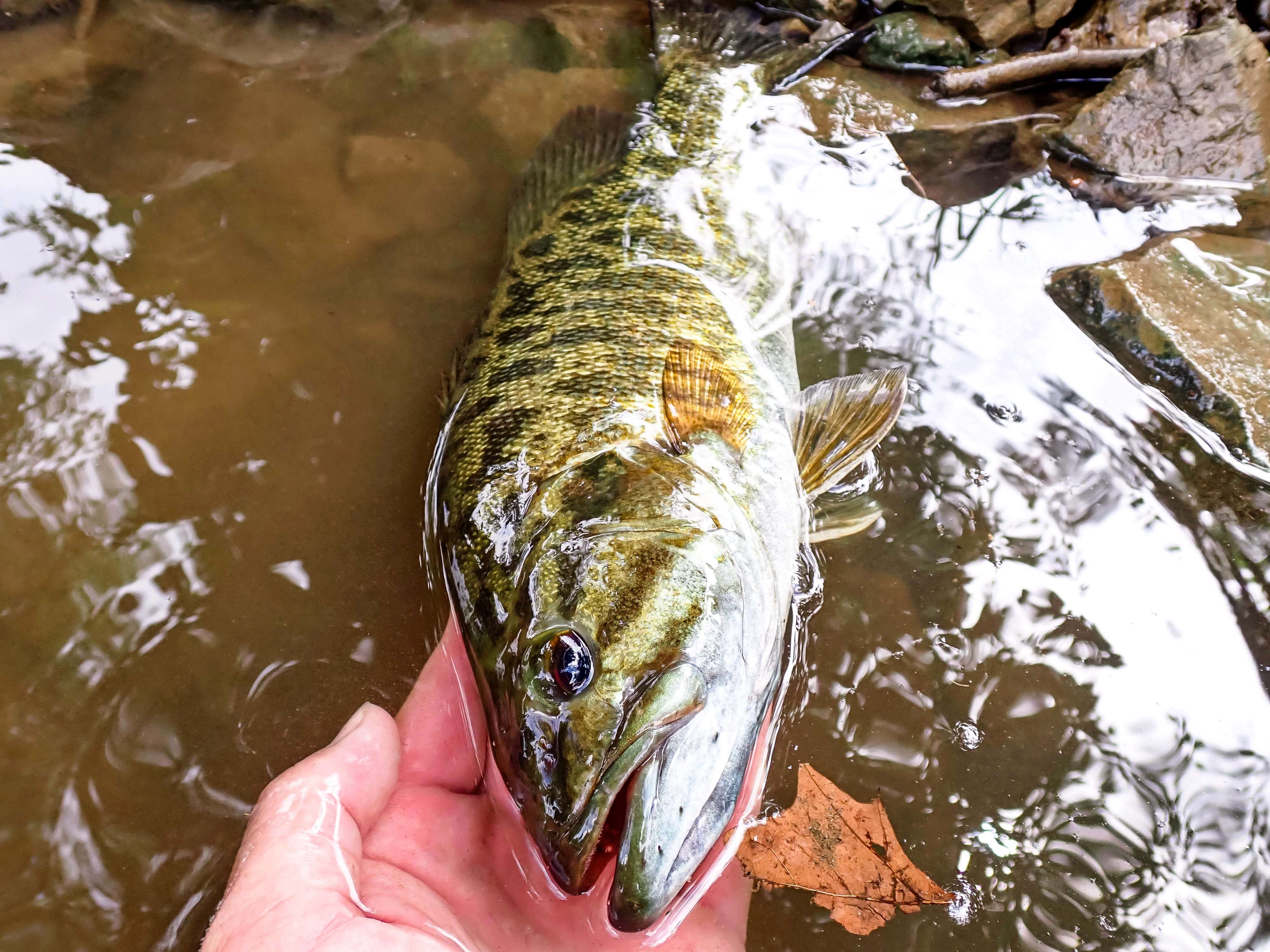
The Mississippi River through Minnesota — particularly the stretch from the Twin Cities south through Red Wing, Lake City, and Winona — is one of the finest big-water smallmouth fisheries in the United States. The upper Mississippi's backwaters, side channels, and wing dams create an enormous variety of habitat that holds smallmouth bass from May through October. Fish in the 2–4 lb range are common, and the Mississippi produces more trophy smallmouth over 5 lbs than any other Minnesota water.
Fly fishing the Mississippi requires a boat to access the best water — wing dams are the most consistent structure, holding smallmouth in the current breaks on their upstream and downstream faces. Work large Deceivers and articulated streamers through the current seams, stripping with long, erratic pulls. Deer hair poppers and large foam bugs produce spectacular surface strikes in the slack backwater areas on summer evenings. Use 1X tippet on this river — the fish are large and the structure is abrasive.
The Mississippi's upper pools (Pool 2 through Pool 9) are all accessible with boat launches at the towns along US-61 on the Minnesota side. The National Wildlife Refuge lands along the river provide excellent access and hold good concentrations of fish throughout the season.
Pro Tip: On the Mississippi, the hour after sunset is prime time for large smallmouth on surface flies. Position your boat downstream of a wing dam with a deer hair popper and cast up into the current break — the combination of fading light, cooler water, and forage movement triggers aggressive topwater feeding from the biggest fish in the pool.
River #4
Best SeasonJune – Aug
Top FliesClouser Minnow, Crayfish
Leader / Tippet8 lb fluorocarbon
The Rum River flows south from Mille Lacs Lake through Princeton, Cambridge, and Anoka before joining the Mississippi, offering a convenient metro-area smallmouth option for Twin Cities fly anglers. The Rum is a clear, sandy-bottomed river with stretches of gravel and rock that concentrate smallmouth, particularly in the lower section below Cambridge where the river picks up gradient and character. Mille Lacs Lake's influence at the headwaters keeps the Rum relatively cool and stable through the summer.
Crayfish patterns and Clouser Minnows are the Rum River staples — the river has an excellent crayfish population, and smallmouth here respond well to bottom-bouncing presentations in the 8–14 inch depth range. The Rum's tight shoreline timber provides shade and ambush habitat that holds fish through midday. Focus on the stretches with gravel bars adjacent to undercut banks for consistent summer action. The season is compressed compared to larger rivers — June through August is the prime window before late-summer low water.
Pro Tip: The Rum River is best fished by canoe or kayak, which allows you to cover the long flat sections efficiently and access the riffles and gravel runs that concentrate fish. Launch at one of the Isanti County Water Access sites and float downstream — you'll cover the best water and avoid the wading pressure that can slow fishing in the shallower sections.
River #5
Best SeasonJune – Sept
Top FliesWoolly Bugger, Streamer
Leader / Tippet8 lb fluorocarbon
The Saint Louis River in northeastern Minnesota — draining from the Iron Range down through Jay Cooke State Park to the Duluth-Superior harbor — is a completely different character from Minnesota's other smallmouth rivers. The lower Saint Louis below Thomson Dam is a powerful, rocky river with Class I–II rapids, deep pools carved into Precambrian bedrock, and a wild, remote feel that belies its proximity to Duluth. Smallmouth here are hard-fighting, well-conditioned fish that take streamers and Woolly Buggers with authority.
Jay Cooke State Park provides excellent wade-access to the best river sections, with suspension bridges and trails connecting multiple entry points along the river. Work large Woolly Buggers and articulated streamers through the deep pools below rapids and along the dark, shadowed walls of the bedrock canyon. The Saint Louis fishes best on a falling river after summer thunderstorms clear — a slight color in the water often triggers aggressive feeding. Evening is prime time, when larger fish move from their deep daytime lies onto the rocky shelves to feed.
Pro Tip: On the Saint Louis River, a sink-tip line is worth the rigging effort. The deep pools below rapids hold the largest fish, and getting your Woolly Bugger down to 4–6 feet before it begins to swing produces far more hookups than a floating line presentation. Strip the fly back with irregular pauses — the takes often come when the fly hesitates and then accelerates again.
Minnesota Smallmouth Bass Fly Fishing — Frequently Asked Questions
What is the best time of year to fly fish for smallmouth bass in Minnesota?
The prime season for smallmouth bass fly fishing in Minnesota runs from late May through September, with peak action typically in June through August when water temperatures reach the 60–75°F range that smallmouth prefer. The post-spawn period in late June is especially productive, as bass are aggressive and actively feeding. The Mississippi River and larger systems can fish well into October, while smaller rivers like the Rum and Cannon tend to slow earlier in the fall as water temperatures drop.
What flies work best for Minnesota smallmouth bass?
Clouser Minnows and Woolly Buggers are the workhorses for Minnesota smallmouth, covering the most water and conditions year-round. Crayfish and crawdad patterns are essential from June through August when crayfish are most active and smallmouth key on them heavily. Surface flies — deer hair poppers and foam bugs — produce explosive strikes on warm summer evenings in low-light conditions. For a complete kit, carry Clouser Minnows in chartreuse/white and olive/white (#2–6), a selection of crayfish patterns, a Woolly Bugger in black or olive, and a popper or two for evening action.
Do I need a fishing license to fish for smallmouth bass in Minnesota?
Yes. The Minnesota Department of Natural Resources requires a fishing license for all anglers 16 and older. Non-resident licenses are available in annual and short-term formats. Minnesota has a standard smallmouth bass season that typically opens the Saturday of Memorial Day weekend and runs through late February, though dates vary by water body — always check current MN DNR regulations for the specific river you plan to fish. The Mississippi River has some year-round fishing opportunities under special regulations.
What gear do I need for fly fishing Minnesota smallmouth bass rivers?
A 6-weight fly rod is the standard choice for Minnesota smallmouth rivers, offering enough power to cast larger streamers and poppers while still providing sport on typical 1–3 lb bass. For bigger rivers like the Mississippi and Saint Louis, a 7-weight handles larger flies and stronger currents more comfortably. Use an 8–10 lb fluorocarbon or monofilament tippet — smallmouth aren't particularly leader-shy, and heavier tippet lets you fight fish quickly and handle rocky structure. A weight-forward floating line covers most situations; a sink-tip adds versatility on deeper runs.