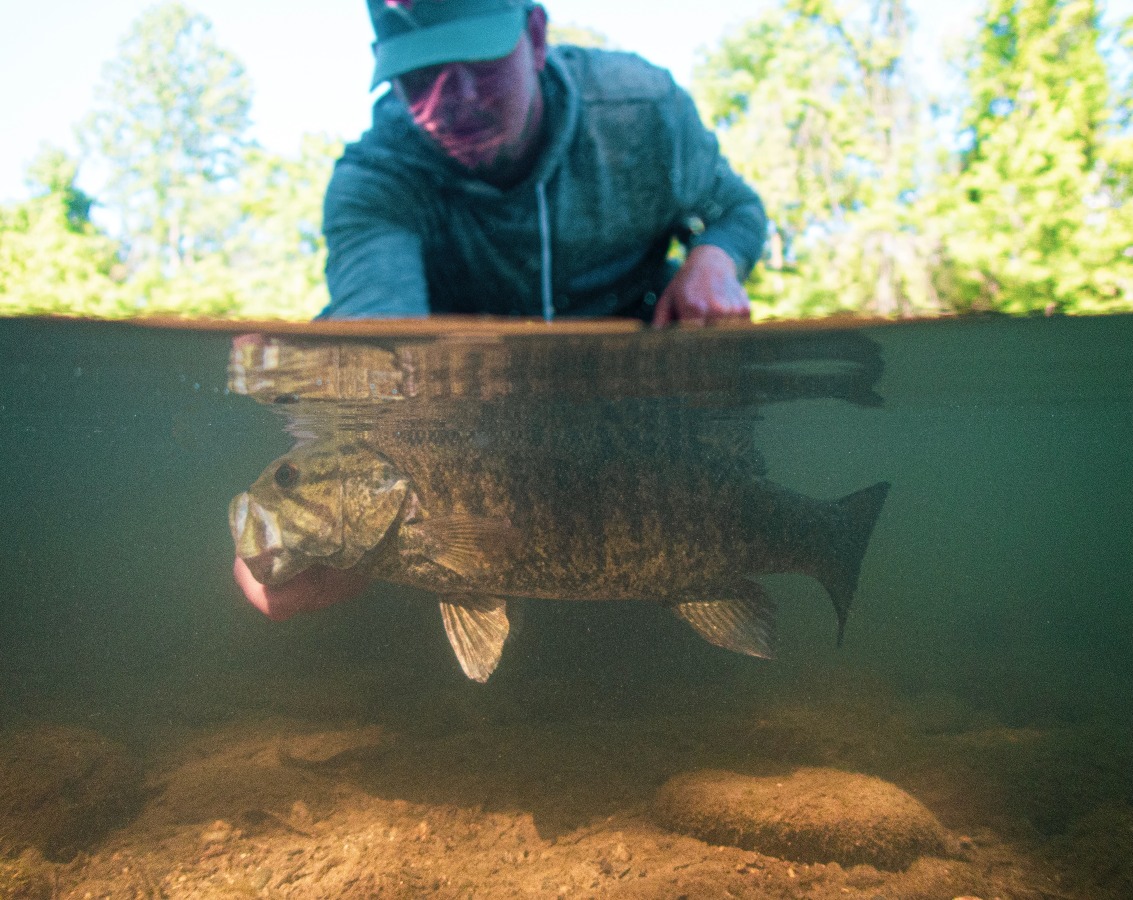
Georgia offers some of the most extended smallmouth bass fly fishing in the eastern United States — a combination of mild climate, productive Piedmont and Blue Ridge rivers, and the year-round Chattahoochee tailwater that gives Georgia anglers a season stretching from April through October. The Chattahoochee’s National Recreation Area provides remarkable urban fly fishing access within Atlanta’s metro area, while the Ocmulgee and Etowah offer more traditional Piedmont and foothill river experiences.
Georgia’s warmwater fly fishing gets less attention than the state’s famous trout streams in the Blue Ridge, but the smallmouth bass rivers of the Piedmont and foothills are legitimate fly fishing destinations in their own right. Crayfish patterns and Clouser Minnows are the workhorses across all three rivers, with poppers delivering spectacular evening surface action from June through September. A 6-weight rod handles most Georgia smallmouth situations, with a 7-weight adding capability on the Ocmulgee’s bigger water.
Ranked by fly fishing character, access, and seasonal opportunity.
River #1
Best SeasonApr – Oct
Top FliesClouser Minnow, Woolly Bugger
Leader / Tippet8 lb fluorocarbon
The Chattahoochee River — flowing from its headwaters near Helen through Lake Lanier, Atlanta, and southward to the Florida border — is Georgia’s most famous river and an excellent smallmouth bass fishery in its upper reaches above Lake Lanier and in the tailwater section below Buford Dam. The National Recreation Area stretch from Buford Dam through Roswell and Atlanta provides remarkable big-city fly fishing access, with clear tailwater flows, rocky structure, and bass populations that respond to streamers and crayfish patterns from April through October.
Clouser Minnows and Woolly Buggers are the Chattahoochee’s most reliable producers across its long season. The tailwater section below Buford Dam runs cold and clear year-round, creating conditions more similar to a trout river than typical southern warmwater — use longer leaders and more delicate presentations than you might expect for bass. Woolly Buggers in olive or black strip well through the deeper runs of the tailwater. The National Recreation Area provides exceptional public access with multiple launch points and wading access along the corridor from Buford Dam to Atlanta.
Pro Tip: The Chattahoochee’s tailwater section immediately below Buford Dam offers some of Georgia’s most consistent year-round smallmouth fishing — cold dam releases keep the water temperature stable even through Georgia summers, maintaining active fish through months when other rivers slow. The Bowman’s Island access and the Settles Bridge area provide the best wade fishing in this section, with rocky bottom and good current structure that holds fish throughout the day.
River #2
Best SeasonApr – Oct
Top FliesPopper, Deceiver
Leader / Tippet1X–2X tippet
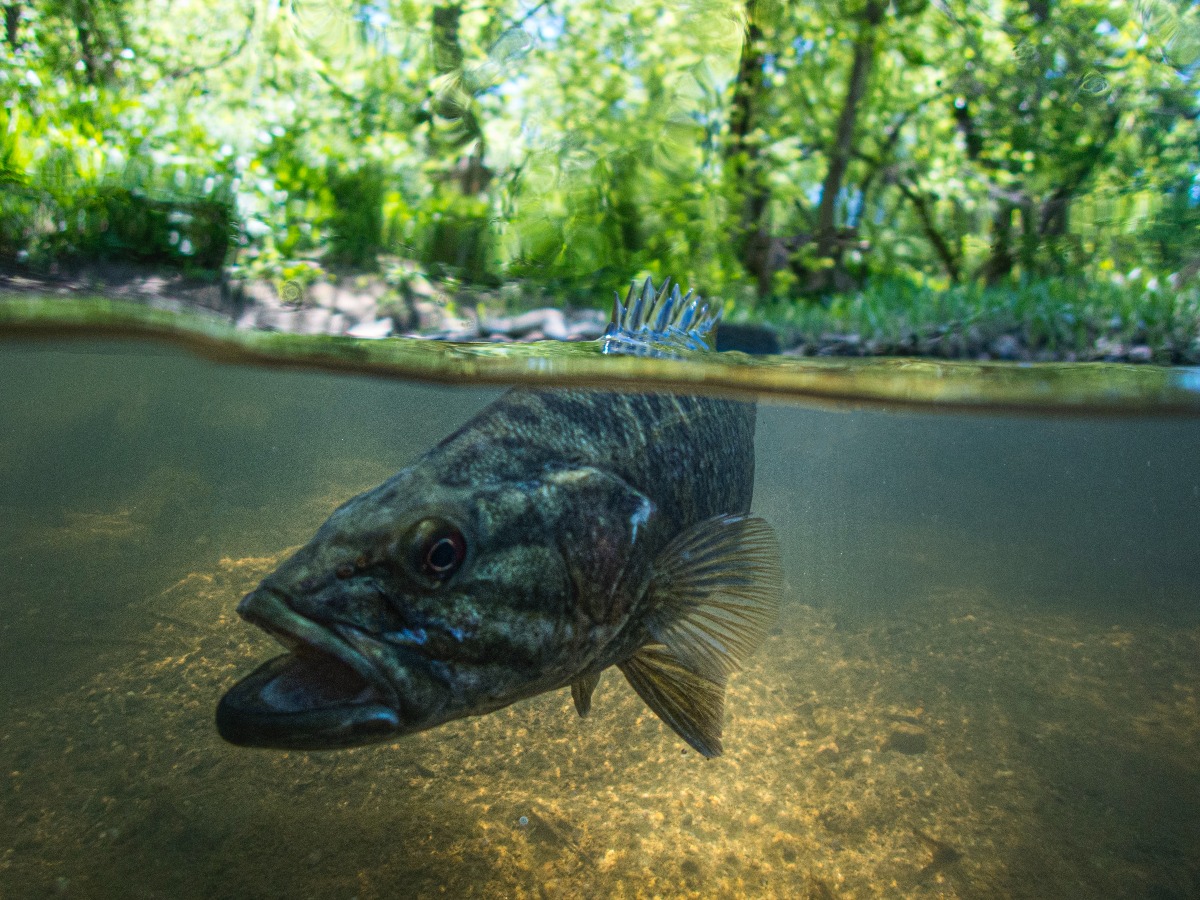
The Ocmulgee River flows from the Piedmont through Macon and southward across Georgia’s coastal plain, but the upper reaches in the Piedmont region — particularly the section from Jackson Lake downstream through Juliette and Macon — hold the state’s most productive smallmouth bass populations. The Ocmulgee’s Piedmont section features rocky shoals, ledge formations, and the current structure that smallmouth prefer, with a long season that extends from April through October in Georgia’s mild climate. Fish average 12–15 inches with larger individuals common in the deeper pool sections.
Poppers and Deceivers are the Ocmulgee’s most exciting fly choices — the river’s long season and relatively warm conditions mean topwater fishing is productive earlier in spring and later into fall than most southern rivers. Evening popper fishing from June through September delivers the most spectacular surface action, with bass exploding on foam and deer hair bugs against the shaded shoreline vegetation. Deceivers and larger streamers work effectively through the deep current seams below the Ocmulgee’s rock shoal formations. Use 1X–2X tippet for the river’s larger-than-average fish population.
Pro Tip: The Ocmulgee River’s rock shoal sections — particularly the Juliette shoals visible from the state fish hatchery area — are the most reliable summer smallmouth habitat. Bass spread across these broad, shallow rock formations in early morning and late evening to feed, and can be approached carefully for outstanding sight-fishing with crayfish patterns. Float the river by canoe or kayak from Jackson Lake downstream for access to the best shoal sections with minimal wading competition.
River #3
Best SeasonMay – Oct
Top FliesCrayfish Pattern, Clouser Minnow
Leader / Tippet8 lb fluorocarbon
The Etowah River flows from the Blue Ridge through Canton and Cartersville before joining the Oostanaula to form the Coosa River. The upper Etowah from Canton through Cartersville is north Georgia’s most underrated smallmouth bass fishery — a clear, relatively fast river with a rocky substrate, good crayfish population, and smallmouth bass that average larger than those in the more-celebrated Chattahoochee tailwater. The Etowah’s cooler water temperatures — fed by Blue Ridge springs and the shading of its upper gorge sections — keep fish active through Georgia’s hot summers.
Crayfish patterns and Clouser Minnows are the Etowah’s most effective flies from May through October. The river’s abundant crayfish population means bass key heavily on crawdad imitations from mid-May through September — dead-drift a weighted crayfish pattern along the rocky bottom and strip it erratically through the swing. Clouser Minnows in chartreuse/white cover the faster current seams and riffles. The Etowah offers good wade fishing access from multiple bridge crossings along Routes 20 and 411 through Cherokee and Bartow counties.
Pro Tip: The Etowah River’s upper reach between Canton and Waleska offers some of the river’s best wade-fishing access and highest smallmouth density. This section sees lighter pressure than the more accessible downstream reaches and holds fish in exceptional condition. Access from the Knox Bridge Road area and wade upstream through the rocky gorge sections — the pools below the larger boulders and ledge drops hold the river’s biggest fish and respond best to Clouser Minnows worked through the downstream current seams.
Georgia Smallmouth Bass Fly Fishing — Frequently Asked Questions
What is the best time of year to fly fish for smallmouth bass in Georgia?
The prime season for smallmouth bass fly fishing in Georgia runs from April through October, with one of the longest seasons of any state in the U.S. The Chattahoochee tailwater can fish productively year-round due to stable cold dam releases. Peak action on the Ocmulgee and Etowah occurs from June through September, though Georgia’s mild climate means bass remain active earlier in spring and later into fall than in northern states.
What flies work best for Georgia smallmouth bass?
Clouser Minnows and crayfish patterns are the most consistent producers for Georgia smallmouth across all three rivers. Poppers deliver spectacular surface strikes on warm evenings on the Ocmulgee’s pool sections. Woolly Buggers work well in the Chattahoochee tailwater’s clear, cold flows. Carry Clouser Minnows in chartreuse/white and olive/white (#2–6), a crayfish pattern, a Woolly Bugger, and a foam popper for a complete Georgia smallmouth kit.
Do I need a fishing license to fly fish for smallmouth bass in Georgia?
Yes. Georgia Department of Natural Resources Wildlife Resources Division requires a fishing license for all anglers 16 and older. Non-resident licenses are available in annual and short-term formats. Georgia has a year-round open season for bass on most rivers with standard bag and size limits. Verify current Georgia DNR regulations before fishing, as some sections of the Chattahoochee National Recreation Area may have special regulations.
What gear do I need for fly fishing Georgia smallmouth bass rivers?
A 6-weight fly rod handles most Georgia smallmouth situations effectively. The Ocmulgee’s bigger water and larger fish benefit from a 7-weight. Use 8 lb fluorocarbon tippet for the Etowah and Chattahoochee’s clearer water — 1X–2X is appropriate for the Ocmulgee. A weight-forward floating line covers most Georgia smallmouth water; a sink-tip adds depth capability on the Chattahoochee tailwater’s deeper pools. Sunscreen and hydration are essential for Georgia’s summer fishing conditions.