Missouri's Ozark rivers — the Current, Gasconade, Meramec, Jacks Fork, and Big Piney — are among the finest smallmouth bass fisheries in the country. Spring-fed, crystal clear, and loaded with crayfish, these rivers produce large, aggressive bass in some of the Midwest's most spectacular natural settings.
Find Access & Live Flows →Missouri's Ozark Plateau hosts some of the finest smallmouth bass rivers in North America — a network of spring-fed, gravel-bottom streams that run crystal clear even through the hottest summer months. The Current River is Missouri's crown jewel, a National Scenic Riverway with exceptional water quality and smallmouth populations that are the envy of bass fly anglers across the region. The Gasconade winds through the Missouri Ozarks in relative obscurity, offering slightly less pressure and equally impressive fishing. The Meramec, accessible from St. Louis, brings world-class smallmouth fishing within reach of a major metropolitan area — an unusual and underappreciated gift for urban fly anglers.
Missouri smallmouth fishing is at its best from late April through October, with the peak window running from May through September when water temperatures hold in the 65–78°F range that drives aggressive feeding behavior. The Ozark rivers' spring-fed character keeps water temperatures remarkably stable — even during summer heat waves that crush fishing on other Midwestern rivers, Missouri's spring-fed streams remain cool and productive. A 6-weight is the standard Missouri smallmouth rod; bring poppers and crayfish imitations as your foundation and add Clousers for searching. Float fishing by canoe is the definitive Missouri smallmouth experience — the state's rivers are perfectly suited for multi-day canoe trips that cover miles of pristine, productive water.
Ranked by fly fishing character, access, and seasonal opportunity.
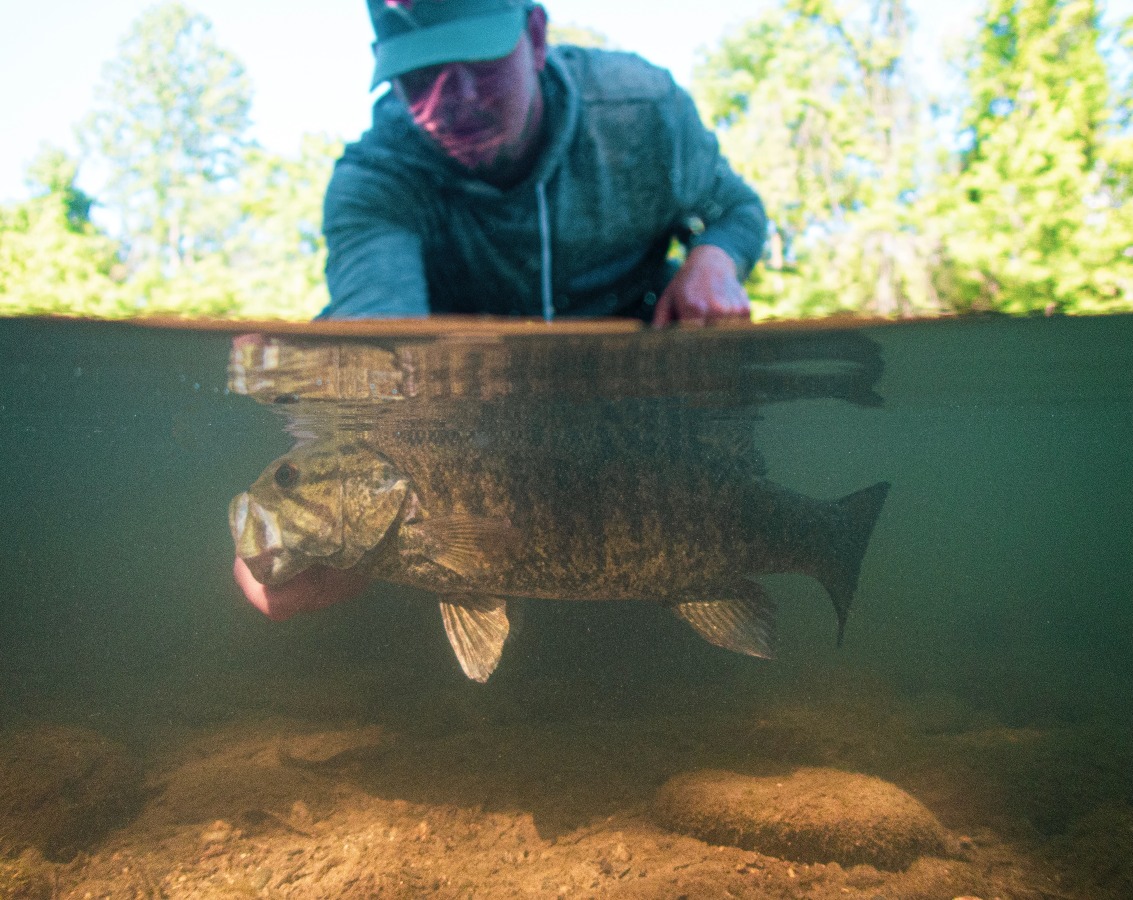
The Current River is Missouri's finest smallmouth bass river and one of the top smallmouth fisheries in the Midwest — a free-flowing, spring-fed gem designated as a National Scenic Riverway that flows through the wild heart of the Missouri Ozarks. The river's exceptional water clarity (often 10-12 feet of visibility) and consistent spring-maintained temperatures create ideal smallmouth habitat year-round. Fish in the 12–18 inch range are common, with trophy bass approaching 20 inches regularly reported from the river's deeper pool sections and spring-fed tributary mouths.
Crayfish patterns are the Current River's most reliable producers — the river has a spectacular crayfish population, and smallmouth key on them from the first warm days of spring through late fall. Poppers produce explosive top-water action in the evening hours on the Current's long, glassy pools, particularly from June through August. Float the Current by canoe from Akers Ferry or Pulltite downstream — the river's gentle gradient and excellent public access through the National Riverway make it ideal multi-day float water. The Ozark National Scenic Riverways campsite system along the Current allows anglers to cover 50+ miles of premium water on extended trips.
The Current's spring-fed character is its superpower: the river maintains temperatures in the 55–65°F range even in August, keeping bass active and well-oxygenated when warm-season rivers elsewhere slow down. This cold-spring influence also means the Current can fish well into October when surface temperatures on unspringed rivers have dropped fish into sluggish pre-winter mode.
The Gasconade River is Missouri's longest entirely in-state river and one of the Ozarks' best-kept smallmouth bass secrets — a clear, winding stream that flows north through the heart of the Missouri Ozarks before joining the Missouri River near Hermann. The Gasconade's lower and middle sections hold excellent smallmouth populations in the 11–17 inch range, with the river's characteristic gravel bars, cedar-lined bluffs, and rocky shoals creating diverse habitat that holds fish through the entire season. The Gasconade sees substantially less canoe traffic than the Current or Jacks Fork, translating to less-pressured fish and a more peaceful float experience.
Clouser Minnows and crawdad patterns are the Gasconade's most productive flies, working effectively across the river's varied water types — the riffles, the deep bluff pools, and the gravel bar flats. The river's longer pools between access points reward patient fly anglers who work the entire water column from surface poppers in the evening to weighted Clousers along the gravel bottom during midday. Float the Gasconade from Gasconade down to the Missouri River confluence for excellent lower-river access, or put in at Linn Creek or Arlington for productive middle-river floats.
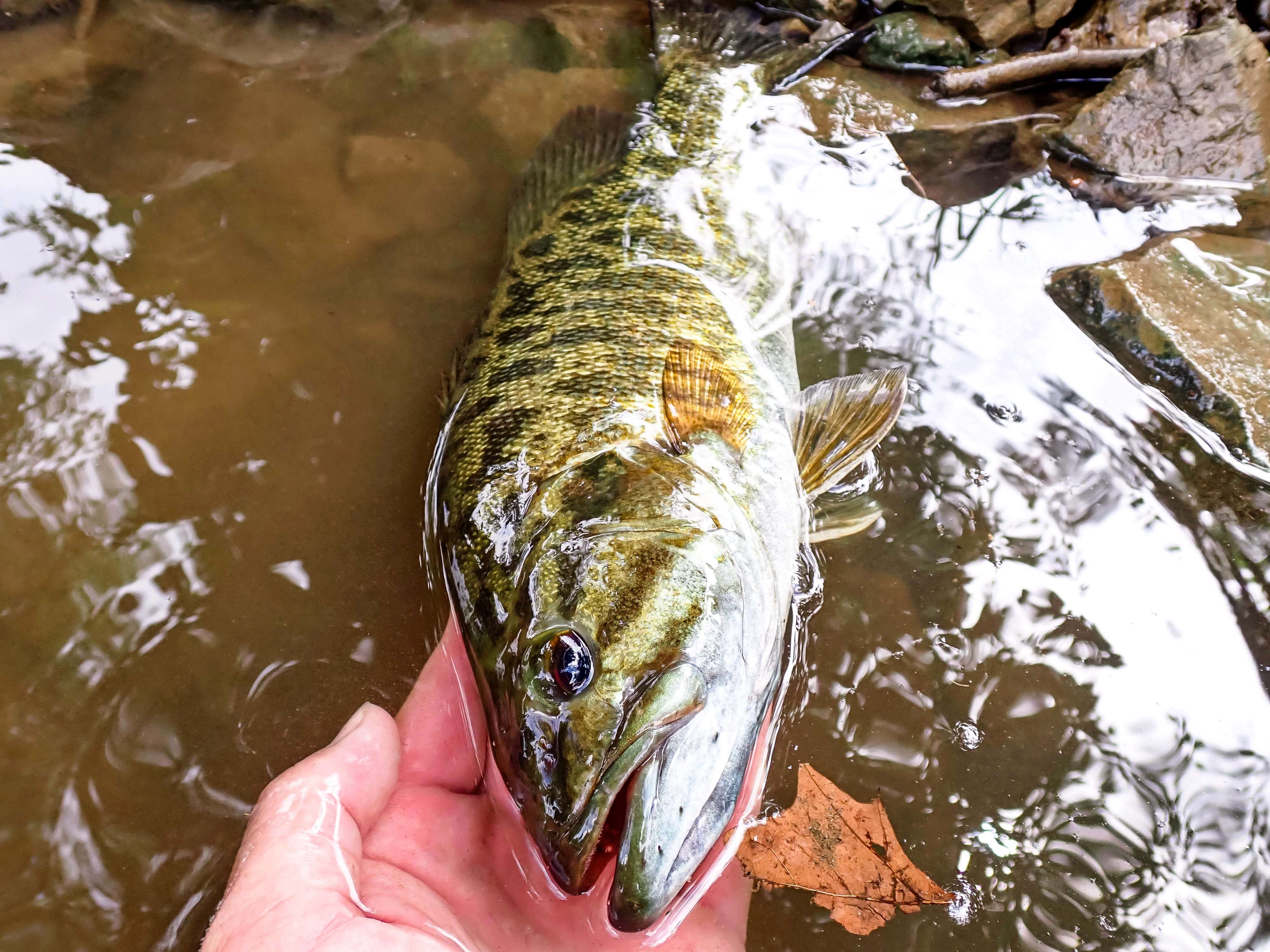
The Meramec River is one of Missouri's great underrated fly fishing resources — a 218-mile river that rises in the Ozarks and flows northeast to the Mississippi, passing within 30 miles of downtown St. Louis. The upper and middle Meramec — from Steelville downstream through Sullivan and Pacific — offer classic Ozark smallmouth water with excellent populations of bass in clear, rocky water. The river's proximity to St. Louis makes it the most accessible quality smallmouth fishery in the region, yet it consistently delivers the kind of experience more typically associated with remote Ozark streams.
Poppers are the Meramec's signature fly — the river's long, clear evening pools are tailor-made for top-water fishing, with bass aggressively striking surface presentations from late May through September. Woolly Buggers in black or olive are the most reliable subsurface pattern when surface action slows during midday heat. The Meramec offers excellent wade and float fishing throughout its fishable length, with numerous canoe rental operations and public access points between Steelville and the St. Louis metro area.
The Jacks Fork is a tributary of the Current River and one of Missouri's most spectacular smallmouth streams — a crystal-clear, spring-fed river designated as part of the Ozark National Scenic Riverways that flows through some of the wildest and most remote terrain in the Missouri Ozarks. The Jacks Fork is narrower and more intimate than the Current, with dramatic spring-fed character that keeps water temperatures cold and fish active through the peak summer season. Smallmouth in the 11–16 inch range are the primary target, with occasional larger fish in the deeper pools below spring mouths.
Crayfish patterns and poppers cover the full range of Jacks Fork smallmouth fishing — the river's crystal clarity means bass can see presentations from a distance, and surface poppers produce spectacular top-water strikes in the evening pools. Float the Jacks Fork from Buck Hollow or Alley Spring downstream to Two Rivers, where it joins the Current — this stretch covers some of the most pristine and productive water in the Missouri Ozarks. The river's National Scenic Riverway status protects it from development, ensuring the wild character that makes it exceptional.
The Big Piney River flows north through Phelps and Texas counties before joining the Gasconade, offering one of the Ozarks' finest and least-crowded smallmouth bass experiences. The Big Piney is a classic Ozark stream — gravel bars, clear spring-fed water, limestone bluffs, and a healthy population of smallmouth bass that have seen relatively little fly fishing pressure. Fish in the 10–15 inch range are standard, with good numbers of quality fish in the deeper pool sections below major rapids.
Clouser Minnows and crawdad patterns are the Big Piney's most effective flies — the river's clean gravel substrate and good water clarity favor presentations that imitate the crayfish and forage fish that smallmouth key on. Float the Big Piney from Slabtown Bridge or Hazelton downstream through the best smallmouth water. The river is excellent canoe water with multiple outfitters serving the corridor between Houston and the Gasconade confluence.
FlyFishFinder maps 37,000+ boat ramps and put-ins with public access boundaries and real-time USGS flows — so you know exactly where to launch and when conditions are right.
Download the AppMissouri's smallmouth bass season runs from late April through October, with peak fly fishing from May through September. The Ozark rivers' spring-fed character keeps water temperatures remarkably stable — even during summer heat waves, rivers like the Current and Jacks Fork maintain temperatures in the 60–68°F range due to cold spring inputs. Late spring (May–June) produces excellent fishing as bass come off their spawn, while July and August are prime for evening popper fishing when water is warmest. Fall can be exceptional on Missouri's rivers, with October producing trophy-sized smallmouth feeding aggressively before winter.
Crayfish and crawdad patterns are Missouri's most important smallmouth flies — the Ozark rivers have an extraordinary crayfish population, and bass feed on them throughout the season. Poppers are the definitive Missouri evening fly, producing explosive surface strikes on the long, glassy pools of the Current, Meramec, and Gasconade throughout summer. Clouser Minnows in white/chartreuse cover deep runs and current seams effectively. Woolly Buggers in black or brown serve as reliable all-purpose searching patterns, particularly useful in stained water after rain or in deeper, less-visible pool sections.
Yes. The Missouri Department of Conservation requires a fishing license for all anglers 16 and older. Non-resident licenses are available in annual and short-term (3-day, 7-day) formats at reasonable prices. Smallmouth bass have a daily limit and minimum size limit in Missouri — check current MDC regulations before fishing, as rules can vary by water body. The Current River and Jacks Fork are part of the Ozark National Scenic Riverways, a National Park Service unit; no additional fishing permit is required beyond a Missouri fishing license, but park regulations apply on these rivers.
A 6-weight fly rod is ideal for Missouri Ozark smallmouth water — enough power for streamers and poppers while remaining fun on 12–16 inch fish. Use 8–10 lb fluorocarbon tippet for most Ozark fishing; these clear-water rivers reward longer leaders (9 feet minimum) to avoid spooking fish in the crystalline pools. A weight-forward floating line handles all surface and most subsurface fishing; a sink-tip is occasionally useful in the deepest bluff pools of the Gasconade and lower Meramec. A canoe or kayak is the most practical and enjoyable way to access the best Missouri smallmouth water — the rivers are perfectly suited for float fishing.