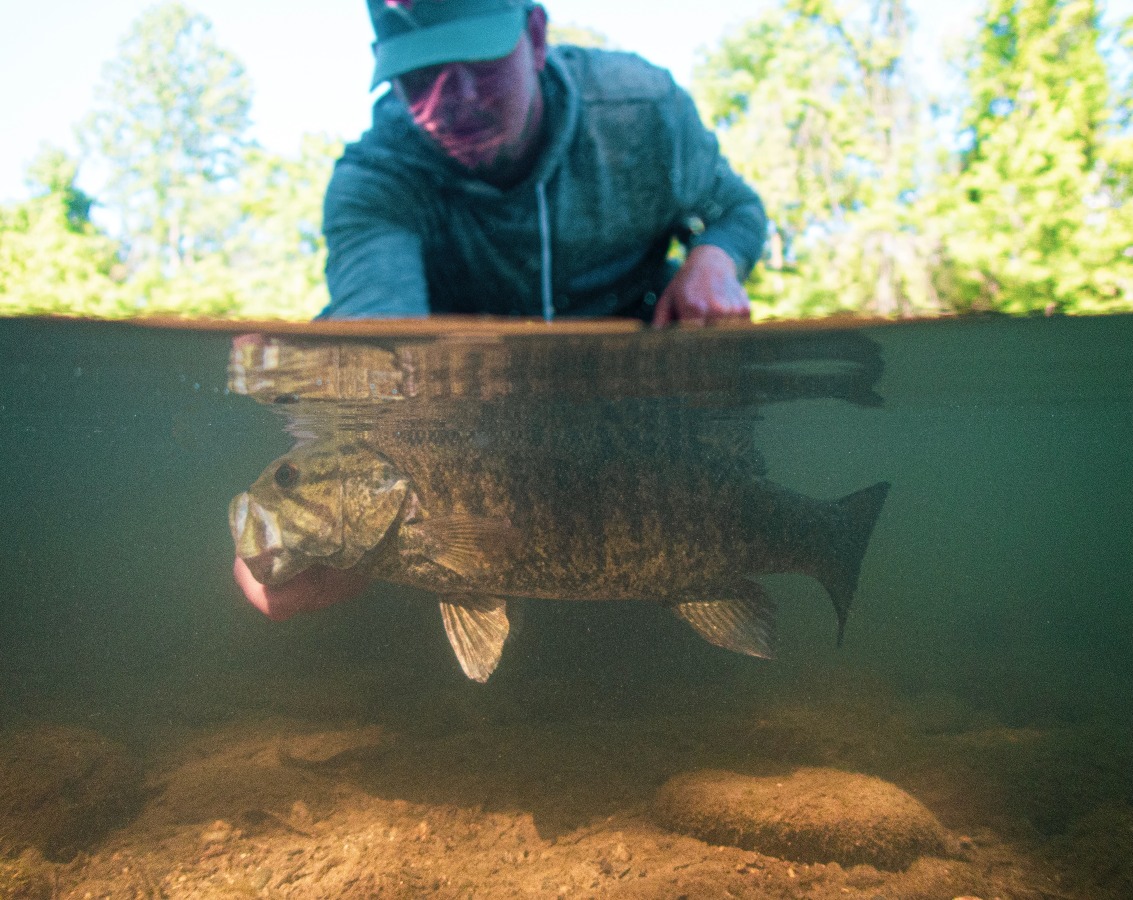
Montana's identity is built on trout — but the state's larger warm-water rivers harbor an underappreciated smallmouth bass fishery that rewards explorers. The Clark Fork Canyon west of Missoula is the state's most established smallmouth river, with good populations of fish in a stunning Rocky Mountain gorge setting. The lower Yellowstone River below Billings pushes east through prairie and badlands, holding smallmouth in its braided gravel channels. The Flathead's lower canyon and the remote Tongue River round out a roster of rivers that offer genuine bass fly fishing in one of America's most beautiful fly fishing states.
Montana smallmouth fishing is concentrated in a shorter window than more southerly states — the season runs from late June through September when water temperatures in the major rivers climb into the 62–74°F range that smallmouth prefer. A 6-weight is the right starting rod for most Montana smallmouth water; bring a 7-weight for the bigger rivers like the Clark Fork and lower Yellowstone where streamer fishing is most effective. Unlike the crowded trout reaches, Montana's smallmouth rivers see light angling pressure — the fish are willing, the scenery is extraordinary, and a skilled fly angler can expect consistent action on summer days when conditions align.
Ranked by fly fishing character, access, and seasonal opportunity.
River #1
Best SeasonJune – Sept
Top FliesClouser Minnow, Popper
Leader / Tippet8 lb fluorocarbon
The Clark Fork is Montana's largest river by volume and its premier smallmouth bass destination — a powerful, clear river that cuts through a dramatic canyon west of Missoula before flowing into Idaho. The prime smallmouth water runs through the Clark Fork Canyon from Superior downstream through Plains and Paradise, where the river narrows around bedrock outcroppings and boulder fields that create ideal bass habitat. Smallmouth in the 11–16 inch range are common in this stretch, with the rocky riffle-pool structure supporting healthy populations through the canyon corridor.
Clouser Minnows in white/chartreuse are the Clark Fork's most productive patterns, particularly effective stripped through the deeper runs and current seams along the canyon walls. Evening popper fishing on the flatter pool sections produces explosive surface action from late June through August — position yourself downstream of a riffle and work a foam popper along the shade line as the canyon walls block direct sunlight. The river parallels Highway 135 west of Missoula through much of the canyon, with numerous pullouts providing convenient wade access to excellent water.
Float fishing by canoe or kayak unlocks the most remote and productive Clark Fork Canyon sections between Superior and Plains. The river's gradient provides good current throughout the season, keeping flows reliable even during dry Montana summers. A half-day float between bridge access points covers productive water that sees very little angling pressure compared to the river's upstream trout sections near Missoula.
Pro Tip: The Clark Fork smallmouth season peaks in mid-July through August when water temperatures in the canyon climb into the optimal 65–72°F range. Fish the shaded canyon walls in the morning before the sun hits the water, then transition to deeper runs as temperatures rise through the afternoon — the best midday action is in the deep, boulder-studded pools where fish hold in cooler, oxygenated water.
River #2
Best SeasonJuly – Sept
Top FliesCrawdad Pattern, Clouser Minnow
Leader / Tippet1X tippet
The lower Yellowstone River — from Billings east through Miles City and Sidney to the North Dakota border — is eastern Montana's premier smallmouth bass river, and one of the most overlooked warmwater fisheries in the northern Rockies. This braided prairie river holds smallmouth in the 12–17 inch range across miles of gravel bars, cutbank channels, and rocky shoals that see a fraction of the angling pressure of the Yellowstone's famous upstream trout water. The sheer scale of the lower river means productive water is always available even on busy summer weekends.
Crawdad patterns are the lower Yellowstone's most productive flies — the river's gravel substrate supports an abundant crayfish population that smallmouth key on through the summer months. Clouser Minnows cover the deeper mid-river channels and current seams. Float the lower Yellowstone by canoe or drift boat from Miles City to Glendive for access to the most remote and productive stretches. A 6-weight handles average fish well; bring a 7-weight if the characteristic eastern Montana wind picks up — exposed prairie reaches can make casting demanding.
Pro Tip: The lower Yellowstone's smallmouth season is compressed but intense — July through early September offers the prime window before water temperatures cool. Target the gravel bar rock garden sections rather than the deep, slow main channel; smallmouth concentrate where current deflects around gravel islands and rocky points, not in the featureless middle water.
River #3
Best SeasonJune – Aug
Top FliesWoolly Bugger, Popper
Leader / Tippet8 lb fluorocarbon
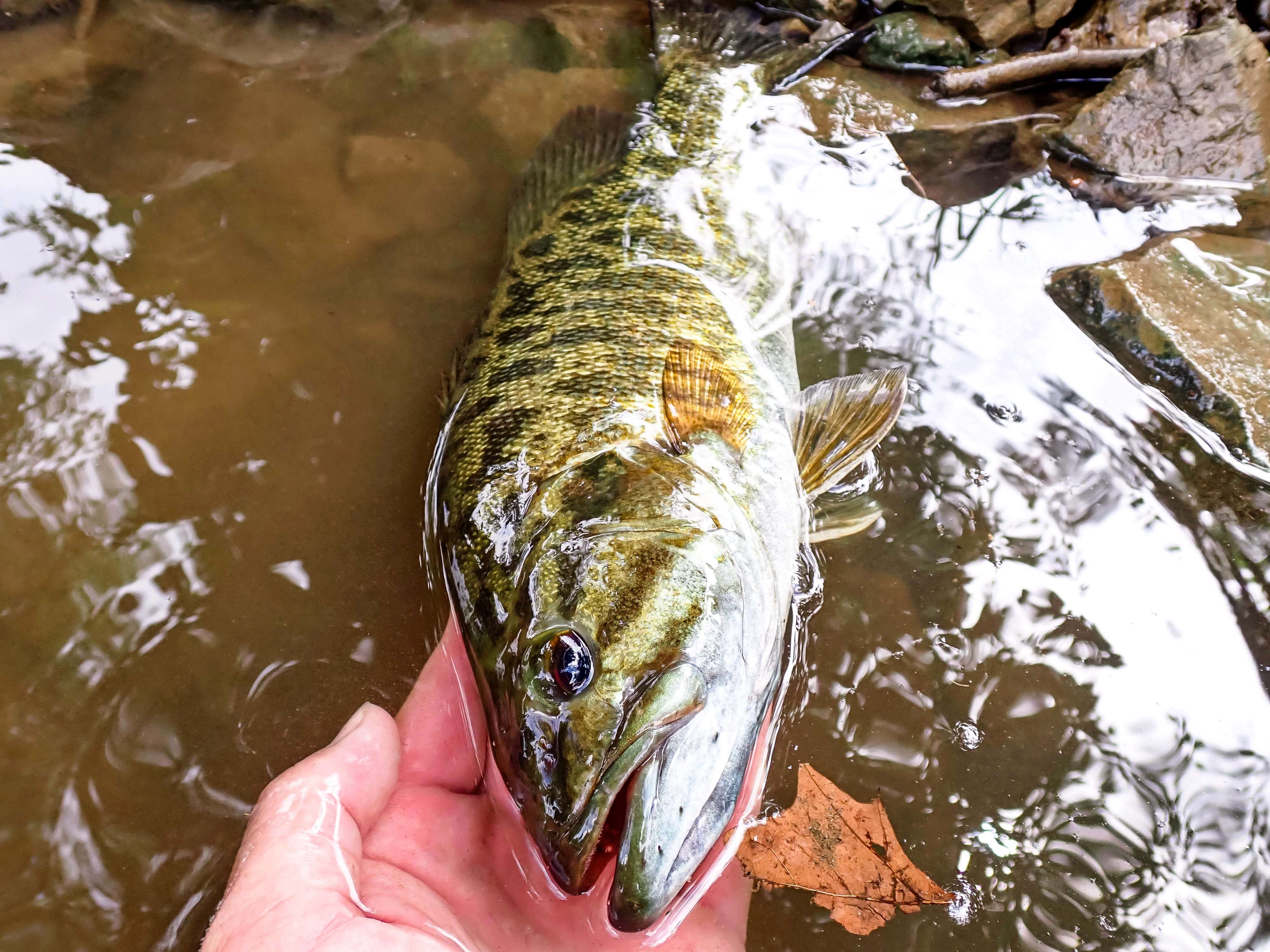
The Bighorn River below Yellowtail Dam is world-famous for trophy trout, but the lower Bighorn — below the quality trout water near Hardin — transitions into classic warm-water habitat where smallmouth bass become the primary game fish. This overlooked stretch flows through open Crow Agency land with minimal angling pressure, offering excellent smallmouth fishing in a strikingly different Montana landscape than the upper Bighorn's dramatic canyon. Fish the lower river for a genuine off-the-beaten-path experience in a state where smallmouth remain well under the radar.
Woolly Buggers in black or olive strip effectively through the Bighorn's lower runs, while foam poppers produce exciting evening surface action in the flatter pool sections. Water flows on the lower Bighorn are regulated by Yellowtail Dam, providing consistent summer levels that benefit both access and fish activity. Float from Fort Smith downstream and plan your trip for early to mid-summer before the Bighorn's characteristic low-water conditions concentrate fish in fewer pools.
Pro Tip: The transition between the Bighorn's cold trout tailwater and the warmer smallmouth water shifts with season and flow — in summer, productive smallmouth water typically begins roughly 15–20 miles below Hardin where temperatures regularly exceed 62°F. Focus your float time in this warm-water zone rather than the cooling band directly below the dam where trout still dominate.